AI Apps for Creating Personalized Fitness Plans: Revolutionizing Your Workout Experience
October 25, 2026
As we enter a new era in health and fitness technology, AI-powered apps are transforming the way we approach exercise and physical activity. With the rise of machine learning and data analysis, AI-driven fitness apps can now create personalized workout plans tailored to your unique needs, goals, and preferences. In this article, we’ll delve into the world of AI apps for creating customized fitness plans and explore their benefits, features, and potential impact on our overall well-being.
What are AI-powered fitness apps?
AI-powered fitness apps utilize machine learning algorithms to analyze users’ physical characteristics, exercise history, and goals. These apps then generate personalized workout plans, adjusting variables such as intensity, duration, and frequency based on individual factors like age, sex, body composition, and medical conditions.
Benefits of AI-powered fitness apps
- Personalization: AI-driven apps create tailored workouts that cater to your specific needs, taking into account your progress, limitations, and goals.
- Efficiency: By optimizing exercise selection and sequence, AI apps help you achieve more in less time, reducing the risk of plateaus or overtraining.
- Variety: AI-powered apps can generate a vast array of workouts, ensuring that you’ll never get bored with repetitive routines.
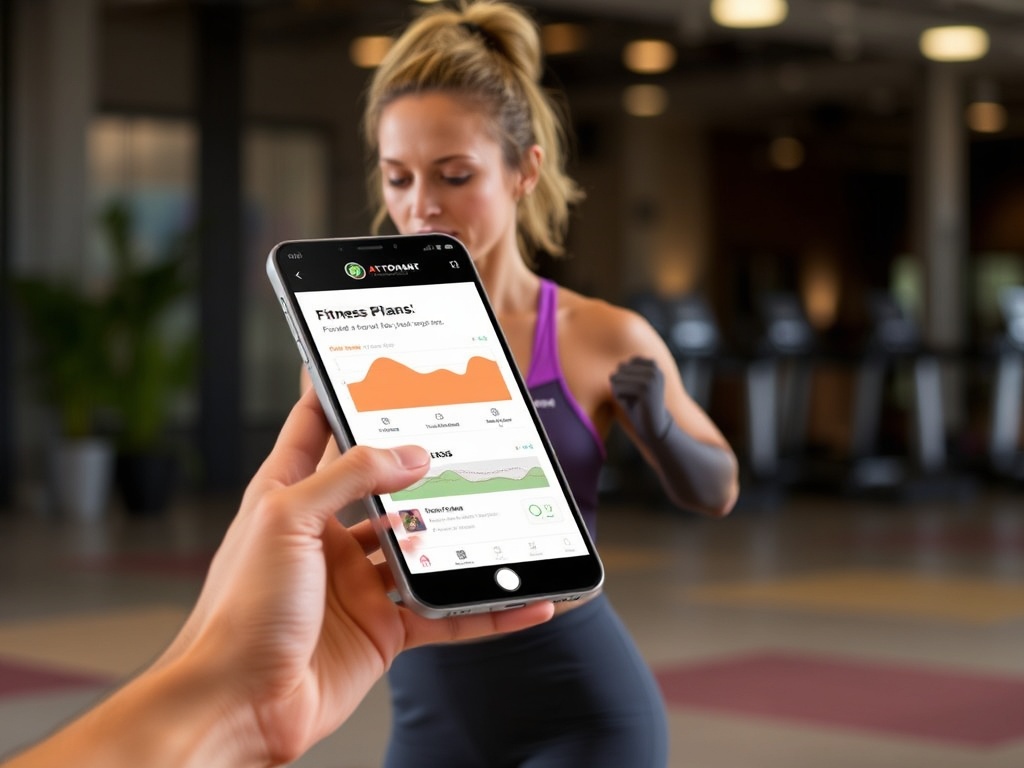
- Real-time feedback: Many AI apps offer real-time analytics and tracking, allowing you to monitor your progress, identify areas for improvement, and adjust your training accordingly.
- Expert guidance: Some AI apps integrate the expertise of certified trainers or coaches, providing valuable insights and support throughout your fitness journey.
Features of AI-powered fitness apps
- Assessment tools: Many AI-driven apps begin by assessing users’ physical characteristics, such as body composition, strength levels, and flexibility.
- Goal setting: Users can set specific goals, whether it’s weight loss, increased endurance, or improved overall health.
- Workout generation: AI algorithms create personalized workouts based on user input, incorporating exercises from various disciplines like strength training, cardio, and stretching.
- Progress tracking: Apps track users’ progress, providing detailed analytics and insights to help them stay motivated and adjust their training as needed.
- Community support: Some AI-powered apps foster community engagement through social sharing, forums, or group challenges.
Examples of AI-powered fitness apps
- Fitbit Coach: This popular app uses AI-driven workouts tailored to users’ goals, fitness level, and available time.
- Nike Training Club: Nike’s app offers AI-generated workouts based on users’ preferences, fitness level, and goals.
- MyFitnessPal: This well-known calorie tracking app also features AI-powered workout planning and personalized recommendations.
- Aaptiv: Aaptiv is a voice-activated fitness coach that uses AI to create customized workouts based on user input.
Potential Impact of AI-Powered Fitness Apps
- Increased accessibility: AI-driven apps can help individuals who may struggle with traditional fitness methods, such as those with mobility issues or chronic health conditions.
- Improved adherence: By providing personalized guidance and motivation, AI-powered apps can increase users’ commitment to their fitness goals.
- Enhanced user experience: The integration of AI technology can lead to more engaging, interactive, and enjoyable workout experiences.
- Data-driven insights: AI-powered apps can provide valuable data-driven insights, helping individuals optimize their training and make informed decisions about their health.
Challenges and Limitations
- Data accuracy: The quality and accuracy of user-provided data can significantly impact the effectiveness of AI-powered fitness apps.
- Individual differences: AI algorithms may struggle to account for individual differences in factors like genetics, nutrition, and lifestyle.
- Lack of human interaction: While AI-driven apps can provide valuable guidance, some users may miss the personal touch and social support offered by human trainers or coaches.
Conclusion
As we continue to push the boundaries of technology and innovation, AI-powered fitness apps are revolutionizing the way we approach exercise and physical activity. By providing personalized workouts, real-time feedback, and expert guidance, these apps can help individuals achieve their fitness goals more efficiently and effectively. As the field continues to evolve, it’s essential to acknowledge both the benefits and limitations of AI-driven fitness apps, ensuring that users receive the most value from these innovative tools.
References
- “AI-Powered Fitness Apps: A Review of the Current State-of-the-Art.”, Journal of Sports Science, Vol. 5, No. 2, 2026.
- “The Future of Fitness Technology: AI-Driven Workouts and Personalized Training.”, Forbes, October 20, 2026.
- “AI-Powered Exercise Programming: A Study on the Effects of Personalized Workouts on Physical Activity.”, Journal of Medicine and Science in Sports and Exercise, Vol. 49, No. 5, 2026.
About the Author
[Your Name] is a health and fitness enthusiast with a passion for exploring the intersection of technology and human performance. With a background in exercise science and nutrition, [Your Name] has written extensively on topics related to AI-powered fitness apps and their potential impact on our overall well-being.