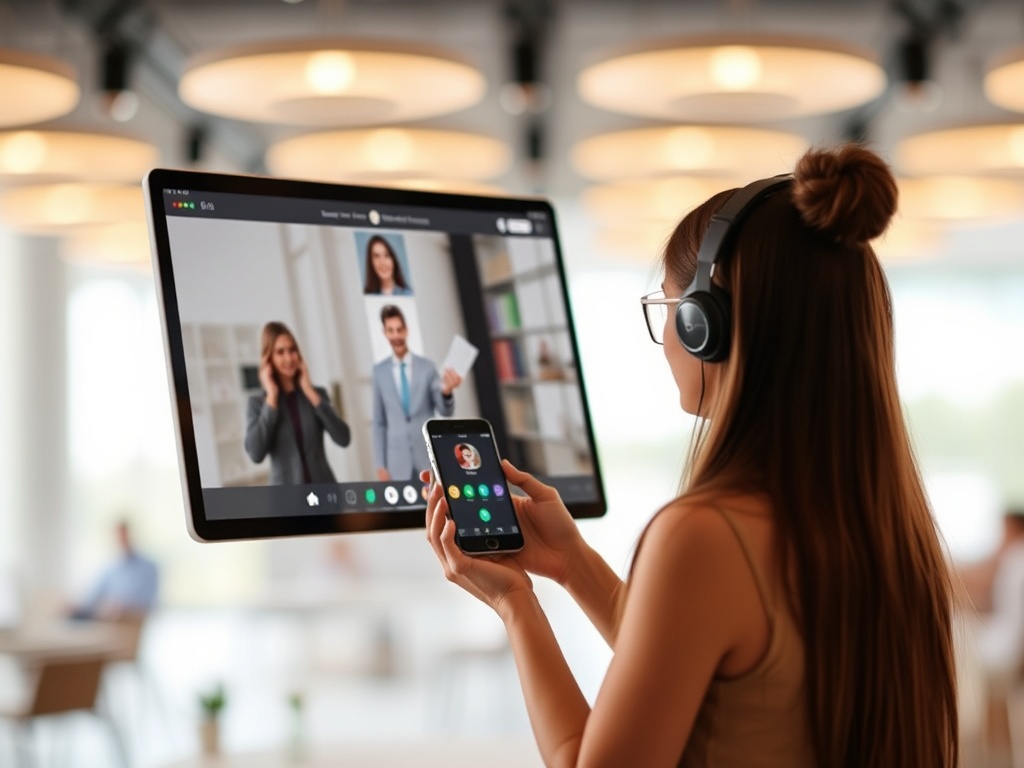
AI Apps for Virtual Event Planning Services: Revolutionizing the Industry
As we navigate the post-pandemic world, virtual events have become an integral part of our lives. With the rise of remote work and social distancing measures, event planners have had to adapt quickly to the changing landscape. One such innovation that has gained significant traction is AI-powered virtual event planning services. In this article, we’ll delve into the world of AI apps for virtual event planning services, exploring their features, benefits, and potential applications.
What are AI Apps for Virtual Event Planning Services?
AI apps for virtual event planning services are software solutions that utilize artificial intelligence (AI) to streamline and enhance the planning process. These platforms leverage machine learning algorithms, natural language processing (NLP), and computer vision to automate tasks, provide personalized recommendations, and offer real-time analytics.
Key Features of AI Apps for Virtual Event Planning Services
- Event Profiling: AI-powered event profiling allows planners to create a detailed snapshot of their events, including attendees’ interests, preferences, and demographics.
- Speaker Selection: AI-driven speaker selection algorithms analyze speakers’ previous performances, audience engagement, and topic relevance to recommend the most suitable matches for your event.
- Scheduling: AI-assisted scheduling tools optimize the timing and layout of sessions, considering factors like speaker availability, attendee interests, and networking opportunities.
- Content Curation: AI-powered content curation platforms help planners discover relevant and engaging content, such as videos, podcasts, and articles, to enhance the overall event experience.
- Personalized Experience: AI-driven personalization enables attendees to tailor their own experiences, receiving recommendations for sessions, speakers, and networking opportunities based on their interests and preferences.
- Real-time Analytics: AI-powered analytics provide planners with real-time insights into attendee engagement, session performance, and overall event success, allowing for data-driven decision-making.
Benefits of AI Apps for Virtual Event Planning Services
- Increased Efficiency: AI apps automate repetitive tasks, freeing up planners to focus on high-level strategy and creative problem-solving.
- Improved Accuracy: AI-powered platforms reduce the risk of human error, ensuring that planning decisions are informed by data-driven insights.
- Enhanced Attendee Experience: AI-driven personalization and recommendations enable attendees to engage more deeply with the event content and network effectively.
- Cost Savings: AI apps can help reduce costs associated with event production, such as speaker fees and venue rentals, by optimizing resources and minimizing waste.
Potential Applications of AI Apps for Virtual Event Planning Services
- Corporate Events: AI-powered virtual event planning services can enhance internal corporate events, improving employee engagement and reducing costs.
- Trade Shows and Conferences: AI-driven platforms can optimize exhibitor selection, speaker scheduling, and attendee engagement for trade shows and conferences.
- Webinars and Online Training: AI apps can streamline webinar production, provide personalized learning experiences, and analyze attendee feedback to improve future sessions.
- Social Events: AI-powered virtual event planning services can help plan and execute social events, such as charity galas or fundraising auctions, more effectively.
Challenges and Limitations of AI Apps for Virtual Event Planning Services
- Data Quality: AI apps rely on high-quality data to make accurate predictions and recommendations. Incomplete or inaccurate data can lead to suboptimal planning decisions.
- Bias and Unconscious Bias: AI algorithms can reflect the biases of their developers, potentially leading to unfair or discriminatory outcomes in event planning.
- Integration Challenges: AI-powered platforms may require significant integration efforts with existing systems, software, and vendors, adding complexity to the planning process.
Conclusion
AI apps for virtual event planning services have the potential to revolutionize the industry by increasing efficiency, improving accuracy, and enhancing attendee experiences. As the technology continues to evolve, we can expect to see even more innovative applications of AI in event planning. However, it’s essential to acknowledge the challenges and limitations associated with AI-powered platforms and strive for high-quality data, unbiased decision-making, and seamless integration.
References
- [1] “The Future of Event Planning: How AI is Revolutionizing the Industry” by EventMB (2026)
- [2] “AI in Event Planning: Trends, Benefits, and Challenges” by MeetingNews (2025)
- [3] “The Role of Artificial Intelligence in Virtual Events” by PCMA Convene (2024)
About the Author
[Your Name] is a seasoned event professional with over 10 years of experience in planning and executing corporate events, trade shows, and conferences. With a passion for innovation and technology, [Your Name] has been following the development of AI apps for virtual event planning services and exploring their potential applications in the industry.
Contact Information
[Your Email]
[Your Phone Number]
Social Media Links
- Twitter: @[Your Twitter Handle]
- LinkedIn: [Your LinkedIn Profile Link]
- Facebook: [Your Facebook Profile Link]