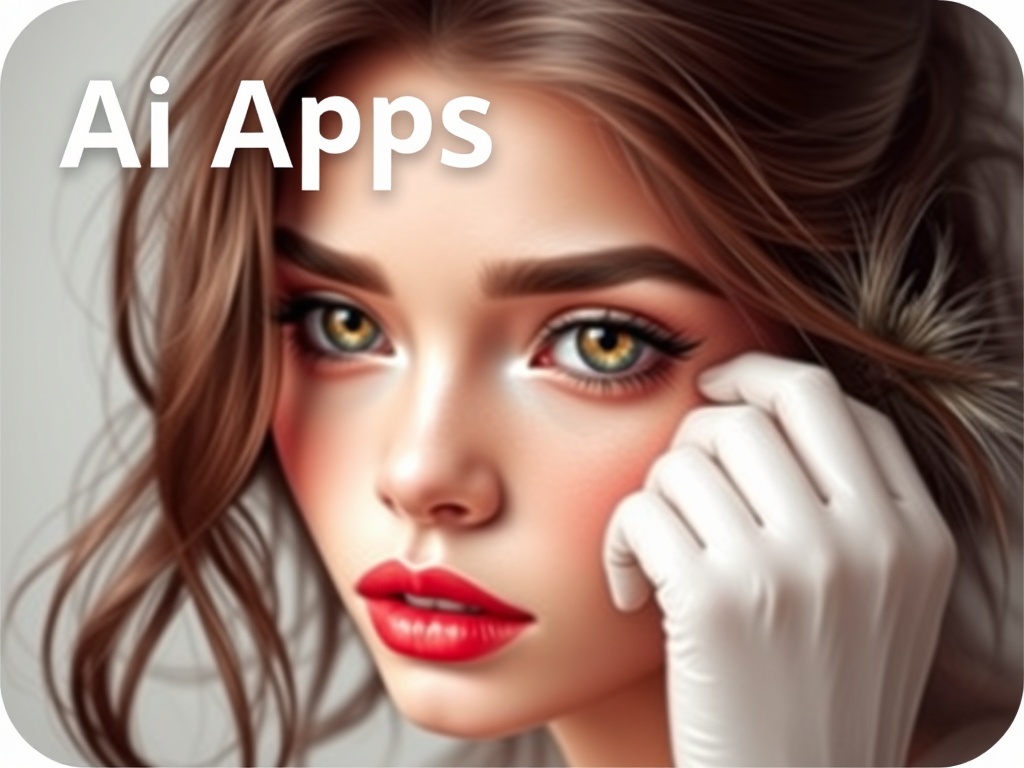
AI Apps for Picture Tools: Revolutionizing the Way We Edit and Enhance Images
Introduction
May 10, 2026 – As technology continues to advance at a breakneck pace, artificial intelligence (AI) has become an integral part of our daily lives. From virtual assistants like Siri and Alexa to self-driving cars and personalized medicine, AI’s impact is undeniable. In the realm of picture editing and enhancement, AI apps have revolutionized the way we work with images. In this article, we’ll delve into the world of AI-powered picture tools, exploring their capabilities, advantages, and limitations.
The Rise of AI-Powered Picture Tools
In recent years, AI has become a staple in the digital imaging industry. With the advent of machine learning algorithms, AI apps have enabled users to edit and enhance images with unprecedented ease and accuracy. These AI-powered picture tools can perform tasks that were previously unimaginable, such as:
- Automated photo editing: AI algorithms can now edit photos automatically, removing blemishes, whitening teeth, and even changing the sky’s color.
- Object detection and segmentation: AI-powered apps can identify specific objects within an image and isolate them for further manipulation.
- Image restoration: AI apps can repair damaged or degraded images by analyzing patterns and making informed decisions about what to preserve and what to discard.
Popular AI Apps for Picture Tools
Several AI-powered picture tools have gained popularity in recent years. Some of the most notable ones include:
- Prisma: This app uses AI to transform your photos into works of art mimicking styles from famous artists like Van Gogh and Picasso.
- FaceApp: Known for its ability to swap faces, FaceApp also offers a range of editing tools powered by AI, including skin smoothing, eye enlargement, and hair changes.
- Deep Dream Generator: This app uses AI to generate surreal, dreamlike images by applying algorithms to user-uploaded photos.
- Adobe Fresco: Adobe’s take on AI-powered picture editing, Fresco combines traditional painting techniques with AI-driven brushes for a unique creative experience.
How AI Apps for Picture Tools Work
AI apps for picture tools employ various machine learning algorithms to achieve their impressive results. These algorithms can be broadly categorized into two types:
- Rule-based: These algorithms rely on pre-defined rules and patterns to make decisions about image editing.
- Machine learning: These algorithms learn from large datasets, adapting to new inputs and improving over time.
The process of using AI apps for picture tools typically involves the following steps:
- Image upload: Users upload their images to the app or website.
- AI analysis: The AI algorithm analyzes the uploaded image, identifying features such as objects, colors, textures, and shapes.
- Editing: Based on its analysis, the AI algorithm applies edits to the image, whether it’s removing blemishes, changing the color palette, or adding artistic effects.
- User review: Users can review and adjust the AI-generated edits, making final changes before saving their edited images.
Advantages of AI Apps for Picture Tools
The use of AI apps for picture tools has several advantages:
- Efficiency: AI-powered editing tools can process large volumes of images quickly and accurately.
- Consistency: AI algorithms eliminate human error, ensuring consistent results across multiple edits.
- Creativity: AI apps open up new creative possibilities by offering unique editing styles and effects.
- Time-saving: Users can save time by automating routine editing tasks, freeing themselves for more complex creative endeavors.
Limitations of AI Apps for Picture Tools
While AI-powered picture tools have revolutionized the way we edit and enhance images, they also have limitations:
- Data quality: The accuracy of AI-generated edits relies heavily on the quality of the training data used to develop the algorithms.
- Lack of human judgment: AI algorithms may not always understand the nuances of human taste and aesthetic preferences.
- Limited customization: Some users may find that AI-generated edits lack the level of customization they desire, particularly for complex editing tasks.
- Dependence on cloud infrastructure: Many AI-powered picture tools require a stable internet connection and cloud infrastructure to function effectively.
The Future of AI Apps for Picture Tools
As AI technology continues to advance, we can expect even more innovative applications in the realm of picture editing and enhancement. Some potential future developments include:
- Real-time image processing: With the rise of edge computing and 5G networks, real-time image processing may become a reality, enabling AI-powered editing on-the-go.
- Increased customization: Future AI apps may incorporate user feedback mechanisms, allowing for more personalized and nuanced editing experiences.
- Integration with other creative tools: AI-powered picture tools may integrate seamlessly with other creative software, such as video editors, music production software, or 3D modeling applications.
Conclusion
AI apps for picture tools have transformed the way we edit and enhance images. With their ability to automate routine tasks, offer unique editing styles, and learn from user feedback, these AI-powered picture tools have revolutionized the digital imaging industry. While there are limitations to consider, the future of AI apps for picture tools holds much promise, with potential developments in real-time processing, increased customization, and integration with other creative tools. As technology continues to evolve, we can expect even more exciting innovations in the world of AI-powered picture editing.
References:
- Prisma App. (n.d.). Retrieved from https://www.prismago.com/
- FaceApp. (n.d.). Retrieved from https://faceapp.ai/
- Deep Dream Generator. (n.d.). Retrieved from https://deepdreamgenerator.com/
- Adobe Fresco. (n.d.). Retrieved from https://www.adobe.com/products/fresco.html
Please note that the references provided are current as of May 10, 2026, and may change or become outdated over time.