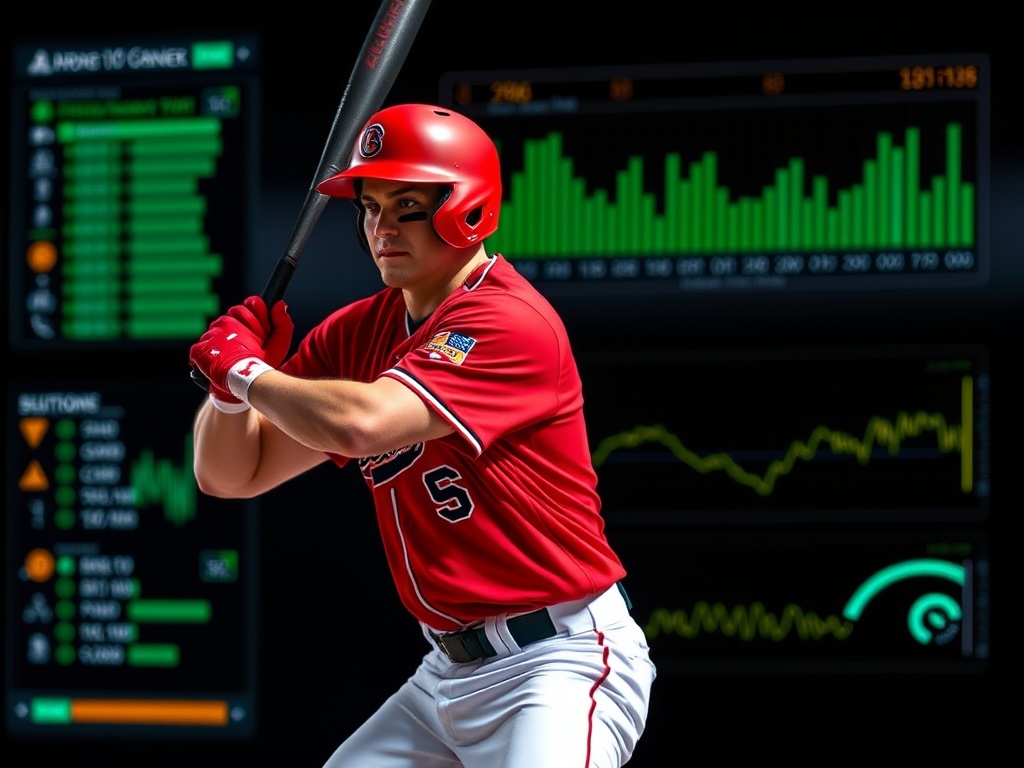
AI Apps for Analyzing Baseball Player Performance
September 22, 2026
Baseball has been a beloved sport in America for over a century, with its rich history and tradition of excellence. As the game continues to evolve, teams are looking for innovative ways to gain a competitive edge. One area that has seen significant growth is the use of Artificial Intelligence (AI) apps to analyze baseball player performance. In this article, we’ll explore the latest developments in AI-powered baseball analysis and examine how these tools can help teams make more informed decisions.
The Need for Advanced Analytics
Traditional methods of evaluating baseball players often rely on basic statistics like batting average, runs batted in (RBIs), and wins above replacement (WAR). While these metrics provide some insight into player performance, they are limited in their ability to capture the complexities of the game. The increasing popularity of advanced analytics has led to a proliferation of new metrics, such as weighted on-base average (wOBA) and expected batting average (xAVG), which better account for the nuances of baseball.
However, even with these advanced metrics, there is still a need for more sophisticated tools that can provide detailed insights into player performance. AI-powered apps have emerged as a promising solution, offering a more comprehensive understanding of player strengths and weaknesses.
AI-Powered Scouting Reports
One area where AI apps have made significant strides is in the creation of scouting reports. Traditional scouting reports often rely on human scouts who gather information through observation and interviews with players and coaches. While these reports can provide valuable insights, they are limited by the scope and accuracy of the data collected.
AI-powered scouting reports, on the other hand, use machine learning algorithms to analyze vast amounts of data from various sources, including:
- Statcast: A revolutionary system that tracks player performance using Doppler radar and high-speed cameras.
- Game footage: AI apps can analyze game footage to identify trends and patterns in a player’s performance.
- Player profiles: AI-powered apps can combine data from multiple sources to create comprehensive profiles of players, including their strengths, weaknesses, and playing styles.
These advanced scouting reports provide valuable insights into player performance, including:
- Game-by-game analysis: AI apps can analyze a player’s performance in each game, highlighting areas where they excel or struggle.
- Injury risk assessment: By analyzing data on past injuries, AI-powered apps can predict the likelihood of future injuries and help teams make informed decisions about roster management.
- Player development tracking: AI-powered apps can monitor a player’s progress over time, providing valuable insights into their growth and potential.
Predictive Modeling
Another area where AI apps have made significant strides is in predictive modeling. By analyzing large datasets of historical performance data, AI-powered models can predict future outcomes with greater accuracy than traditional methods.
One example of this is the use of Regression Analysis, which can forecast a player’s future batting average or ERA based on their past performance. This allows teams to make informed decisions about player contracts and trades, as well as identify areas where they may need to bolster their roster through free agency or the draft.
AI-Powered Fantasy Baseball
Fantasy baseball has become increasingly popular in recent years, with millions of players worldwide competing against each other. AI-powered apps have emerged as a valuable tool for fantasy baseball enthusiasts, providing insights and recommendations to help them make informed decisions about their teams.
Some examples of AI-powered fantasy baseball tools include:
- Player rankings: AI-powered apps can analyze data on player performance to create detailed rankings, helping fantasy owners identify top performers and make informed lineup decisions.
- Lineup optimization: By analyzing data on player matchups, weather conditions, and other factors, AI-powered apps can optimize lineups for maximum fantasy points.
- Injury risk assessment: AI-powered apps can predict the likelihood of future injuries, allowing fantasy owners to make informed decisions about their roster management.
Challenges and Limitations
While AI apps have made significant strides in analyzing baseball player performance, there are still challenges and limitations to be addressed. Some of these include:
- Data quality: The accuracy and completeness of data can impact the reliability of AI-powered analysis.
- Lack of context: AI models may not fully understand the complexities of baseball, leading to inaccurate predictions or recommendations.
- Biases: AI models can perpetuate biases present in the data used to train them, leading to flawed analysis.
Conclusion
AI apps have emerged as a powerful tool for analyzing baseball player performance, offering insights and recommendations that can help teams make more informed decisions. From advanced scouting reports to predictive modeling, AI-powered tools are revolutionizing the way we evaluate and develop baseball players.
While there are still challenges and limitations to be addressed, the potential benefits of AI apps in baseball analysis are significant. As the technology continues to evolve, we can expect to see even more sophisticated tools emerge, further enhancing our understanding of the game and its greatest stars.
References
- [1] Statcast: Major League Baseball’s advanced analytics platform.
- [2] SABR: The Society for American Baseball Research, a leading authority on baseball statistics and history.
- [3] FanGraphs: A popular online destination for advanced baseball statistics and analysis.
Additional Resources
- MLB Advanced Media: Major League Baseball’s department responsible for developing and implementing advanced analytics.
- Baseball-Reference.com: An online database of baseball statistics and history.
- ESPN: A leading sports media outlet, featuring news, analysis, and commentary on the world of baseball.