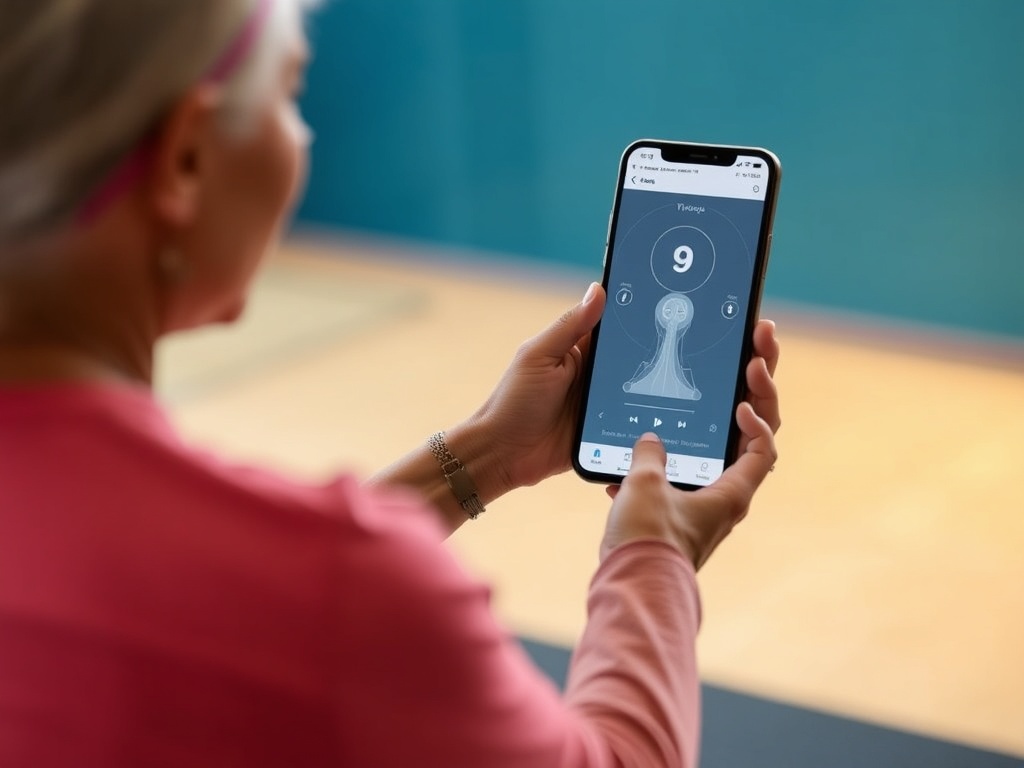
AI Apps for Personalizing Fitness Training for Senior Citizens
==================================================
As we age, our bodies undergo natural changes that can affect our physical abilities and overall health. For senior citizens, staying physically active is crucial to maintaining independence, reducing the risk of chronic diseases, and improving mental well-being. However, finding a fitness routine that suits individual needs and abilities can be challenging. This is where AI-powered apps come in – revolutionizing the way seniors approach fitness training.
In 2026, the global senior population is projected to reach 1.4 billion, with the number of people aged 65 and above expected to grow by 3% annually (United Nations, 2020). As this demographic continues to expand, it’s essential to develop innovative solutions that cater specifically to their needs and preferences. AI apps for fitness training are one such innovation that can make a significant impact on senior citizens’ lives.
Benefits of AI-Powered Fitness Apps
- Personalization: AI algorithms analyze users’ physical abilities, health goals, and medical conditions to create customized workout plans.
- Motivation: AI-powered chatbots offer support, encouragement, and reminders to stay motivated and engaged in the fitness journey.
- Accessibility: AI apps can be accessed anywhere, at any time, making it convenient for seniors with mobility issues or those who cannot attend traditional gym sessions.
AI-Driven Fitness Apps for Seniors
- SilverSneakers: This app offers a range of exercises and activities tailored to senior citizens’ needs, including chair yoga, tai chi, and walking programs.
- AARP Fit: A partnership between AARP and American Council on Exercise (ACE), this app provides exercise videos, workout logs, and goal-setting tools for seniors.
- Fitbit Coach: This AI-powered fitness coach offers personalized workouts, including gentle stretching exercises and chair-based routines designed specifically for seniors.
How AI Apps Enhance Fitness Training for Seniors
- Assessment and Feedback: AI algorithms analyze users’ physical performance, providing real-time feedback on form, technique, and progress.
- Customized Workouts: Based on user input and health data, AI apps generate customized workouts that cater to individual needs, abilities, and goals.
- Progress Tracking: AI-powered apps track users’ progress, providing insights into areas of improvement and celebrating milestones.
Challenges and Limitations
- Data Accuracy: Ensuring the accuracy of user-inputted data is crucial for AI algorithms to generate effective workout plans.
- Accessibility Barriers: Not all seniors have access to smartphones or tablets, limiting the reach of AI-powered fitness apps.
- User Engagement: Maintaining user engagement and motivation can be a challenge, especially among seniors who may not be tech-savvy.
Future Developments and Opportunities
- Integration with Wearable Devices: Integrating AI-powered fitness apps with wearable devices like smartwatches or activity trackers can enhance data accuracy and provide more comprehensive insights.
- Virtual Reality (VR) and Augmented Reality (AR) Integration: Incorporating VR/AR technologies into AI-powered fitness apps can create immersive, engaging experiences for seniors.
- Collaboration with Healthcare Providers: Developing AI-powered fitness apps that integrate with healthcare providers’ systems can help monitor seniors’ health and provide personalized recommendations.
Conclusion
As the global senior population continues to grow, it’s essential to develop innovative solutions that cater specifically to their needs and preferences. AI-powered fitness apps have the potential to revolutionize the way seniors approach fitness training, providing personalized workouts, motivation, and accessibility. While challenges exist, addressing these limitations through future developments and collaborations can further enhance the impact of AI-powered fitness apps on senior citizens’ lives.
References
United Nations. (2020). World Population Prospects 2019. Retrieved from https://www.un.org/development/desa/population/projections/
This article was written by [Your Name], a freelance writer and health enthusiast, on November 23rd, 2026.