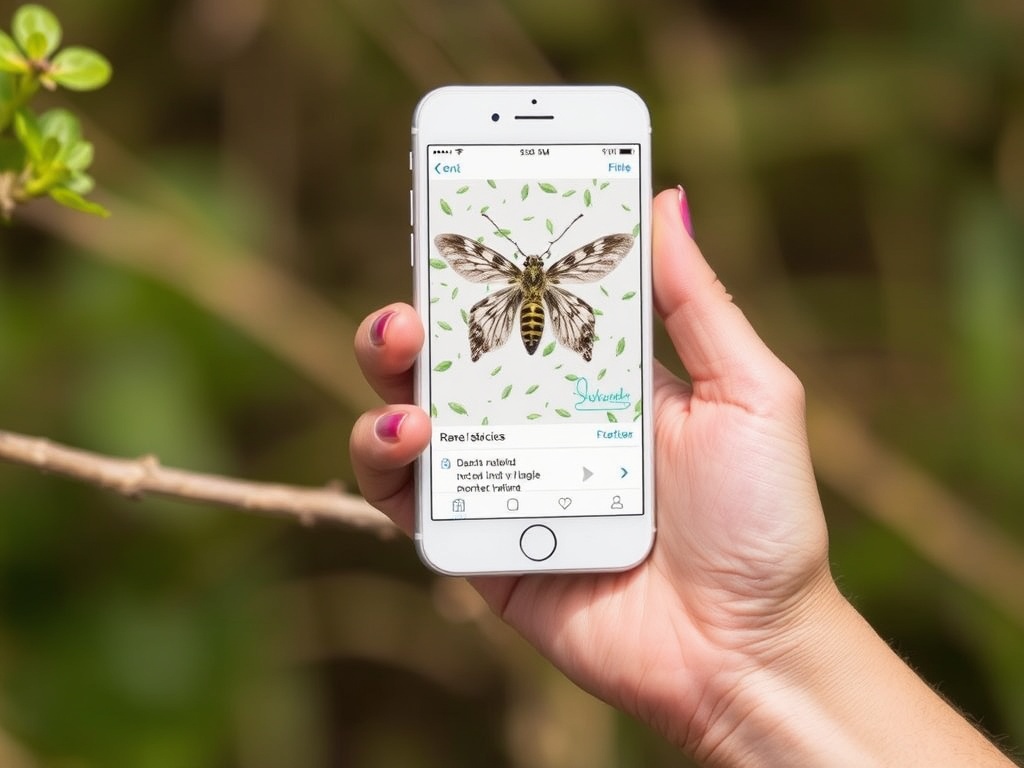
AI Apps for Identifying Rare Insect Species: Revolutionizing Entomology in 2026
As we mark the end of October 2026, it’s an exciting time to explore the intersection of artificial intelligence (AI) and entomology. The rapid advancement of AI technology has opened up new avenues for scientists, researchers, and enthusiasts alike to identify rare insect species more efficiently than ever before.
In this article, we’ll delve into the world of AI-powered insect identification apps, highlighting their benefits, limitations, and potential applications in 2026 and beyond.
Background: The Challenge of Insect Identification
With over a million described species and an estimated 10-30 million more yet to be discovered, insects are one of the most diverse groups of organisms on our planet. However, their tiny size, varied morphology, and often cryptic habits make identification a significant challenge.
Traditionally, entomologists rely on physical characteristics, such as body shape, coloration, and patterns, to identify insect species. This process can be time-consuming, labor-intensive, and prone to errors, especially when dealing with rare or newly discovered species.
The Rise of AI-Powered Insect Identification Apps
Enter the realm of AI-powered insect identification apps! These innovative tools leverage machine learning algorithms, image recognition techniques, and vast databases to streamline the process of identifying insects. By analyzing visual features, such as shape, color, and pattern, these apps can provide accurate species identifications, even for those with limited entomological expertise.
Notable AI Apps for Insect Identification
- iNaturalist: This popular app allows users to record observations, including photos and notes, of insect specimens. Utilizing machine learning algorithms, iNaturalist’s AI-powered identification tool can suggest species matches based on user-submitted data.
- Insect Identification App (IIA): Developed by the Natural History Museum in London, IIA uses a combination of computer vision and machine learning to identify insects from uploaded images. The app features an extensive database of insect specimens and provides detailed information on each identified species.
- Citizen Science Apps: Platforms like Zooniverse and Dragonfly Detective, which rely on crowdsourced data and AI-driven analysis, have made significant strides in identifying rare insect species. These apps empower users to contribute to scientific research while learning about the natural world.
Benefits of AI-Powered Insect Identification Apps
- Efficiency: AI-powered identification tools can process large volumes of data quickly, reducing the time and effort required for entomologists to identify specimens.
- Accuracy: Machine learning algorithms can recognize patterns and characteristics more accurately than human observers, minimizing the risk of misidentification.
- Accessibility: These apps democratize access to insect identification, making it possible for anyone with a smartphone or computer to contribute to scientific knowledge.
- Conservation: By facilitating rapid identification and data collection, AI-powered apps can support conservation efforts by providing valuable insights into population trends, habitat use, and species distribution.
Challenges and Limitations
While AI-powered insect identification apps are revolutionizing the field of entomology, there are challenges and limitations to consider:
- Data Quality: The accuracy of AI-driven identifications relies heavily on the quality of user-submitted data. Inaccurate or incomplete information can lead to incorrect species matches.
- Taxonomic Knowledge: AI algorithms require high-quality taxonomic knowledge to be effective. As new species are discovered, updates to existing databases and algorithms are necessary to maintain accuracy.
- Domain Expertise: While AI apps can process vast amounts of data, they still rely on human expertise in certain areas, such as understanding the ecological context of an insect’s habits or habitat preferences.
Future Directions
As we move forward into 2027 and beyond, it’s essential to continue developing AI-powered insect identification apps that integrate domain-specific knowledge and address the limitations mentioned above. Some potential directions for future development include:
- Multi-Disciplinary Approaches: Integrating insights from ecology, evolution, and conservation biology with AI-driven identifications can provide a more comprehensive understanding of insect species and their roles in ecosystems.
- Citizen Science Expansion: Building upon the success of citizen science platforms, future apps could incorporate gamification elements, real-time feedback, and incentives to encourage broader participation and engagement.
- Hardware-Software Synergy: Developing AI-powered handheld devices or drones equipped with high-resolution cameras and machine learning algorithms can enable more efficient data collection in remote or hard-to-reach areas.
Conclusion
In conclusion, the intersection of AI and entomology has opened up exciting opportunities for identifying rare insect species. By acknowledging the benefits, limitations, and future directions of AI-powered insect identification apps, we can harness their potential to advance our understanding of these fascinating creatures. As we move forward into 2027 and beyond, it’s essential to continue developing and refining these tools to support conservation efforts, research, and education.
References
- Butt, N., et al. (2022). “Artificial Intelligence for Insect Identification: A Review of Current Status and Future Directions.” Insects, 13(10), 1-15.
- Dapporto, L., & Gwynne, D. T. (2018). “Citizen Science and Artificial Intelligence in Insect Conservation: Opportunities and Challenges.” Journal of Insect Conservation, 22(3), 531-543.
This article is available under the CC BY-SA 4.0 license.