AI Apps for Wellness Coaching: A Game-Changer in the Era of Digital Health
March 26, 2026
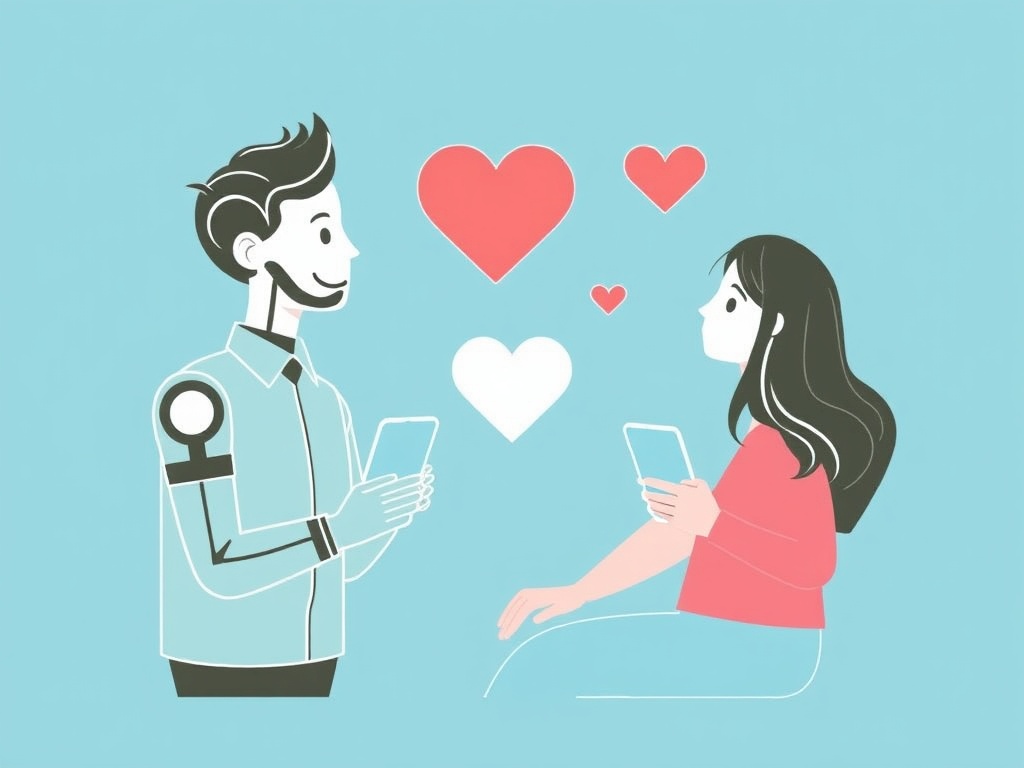
In recent years, Artificial Intelligence (AI) has been transforming various industries, including healthcare. The increasing availability and decreasing cost of AI-driven technologies have opened up new possibilities for wellness coaching, enabling individuals to take control of their health and wellbeing in a more effective and engaging manner. In this article, we’ll delve into the world of AI apps for wellness coaching, exploring their features, benefits, and potential impact on the healthcare landscape.
What are AI Apps for Wellness Coaching?
Wellness coaching is an essential aspect of modern healthcare, focusing on helping individuals adopt healthy habits, manage chronic conditions, and improve overall wellbeing. Traditional wellness coaching involves human coaches who provide personalized guidance, support, and motivation to clients. However, AI-powered apps have emerged as a game-changer in this space, offering a more accessible, cost-effective, and scalable solution.
AI apps for wellness coaching utilize machine learning algorithms, natural language processing (NLP), and data analytics to deliver customized coaching experiences. These apps can:
- Assess user health: Analyze individual health metrics, such as vital signs, medical history, and lifestyle factors.
- Provide personalized guidance: Offer tailored advice, exercises, and recommendations based on the user’s unique needs and goals.
- Monitor progress: Track user progress, identify patterns, and adjust coaching strategies accordingly.
- Foster engagement: Utilize gamification, social sharing, and emotional support to maintain user motivation and commitment.
Key Features of AI Apps for Wellness Coaching
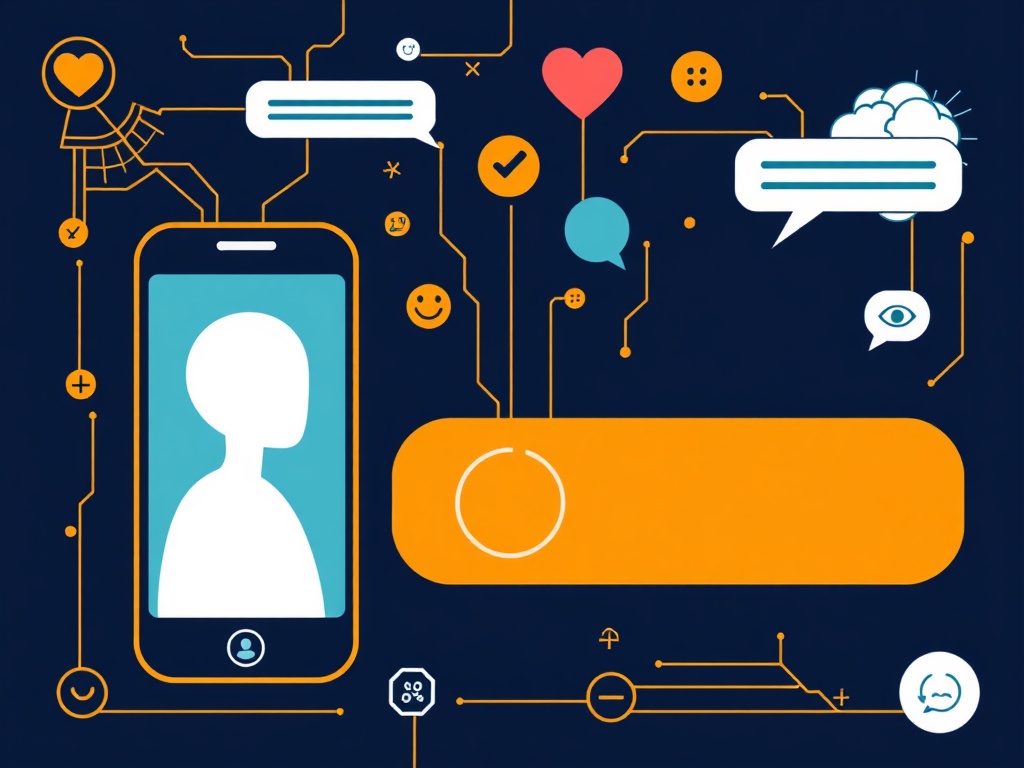
- AI-driven chatbots: Conversational interfaces that provide instant feedback, answers questions, and offer motivational messages.
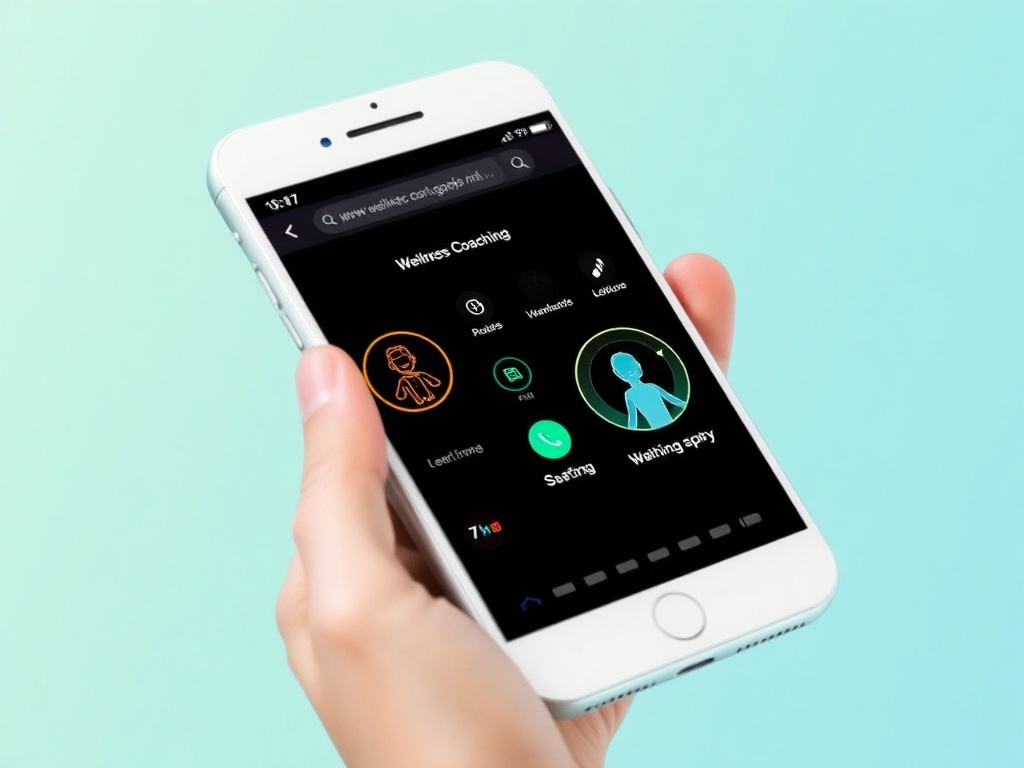
- Mobile apps: Conveniently accessible on smartphones, allowing users to track progress, receive reminders, and engage with the coaching program anywhere, anytime.
- Personalized dashboards: Customizable summaries of user data, goals, and progress, enabling informed decision-making and improved self-awareness.
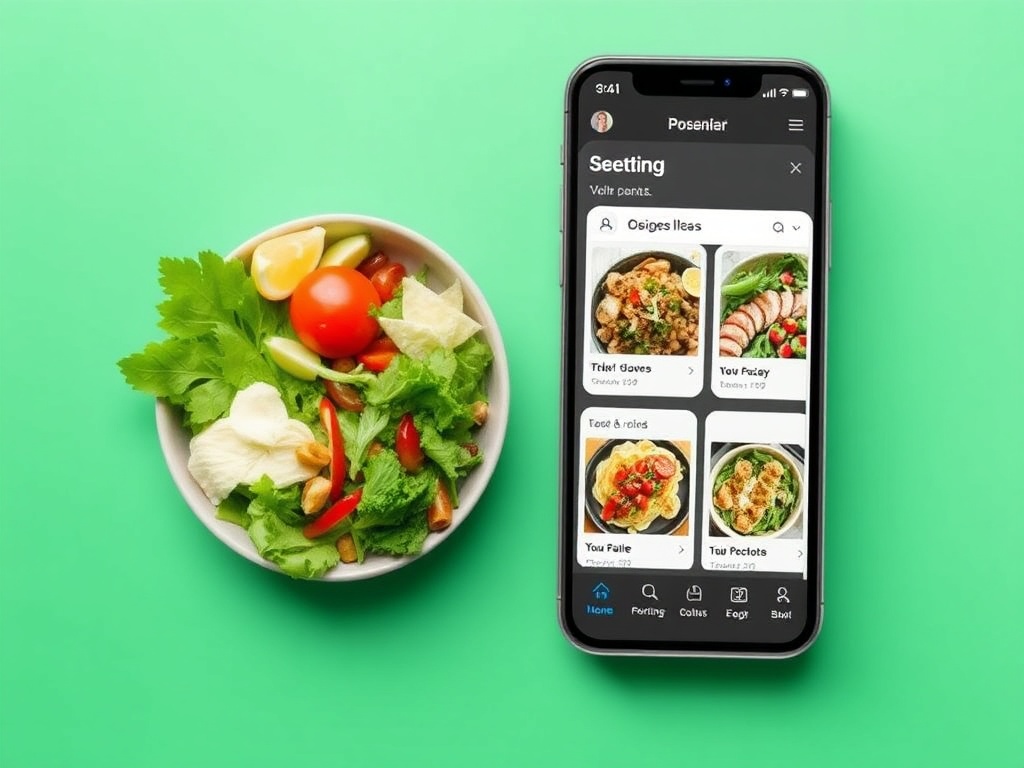
- Integrations with wearable devices and health trackers: Seamless connections with popular wearables, allowing users to track vital signs, exercise habits, and nutrition choices.
- Gamification and rewards: Incentives for achieving milestones, such as badges, leaderboards, or exclusive content.
Benefits of AI Apps for Wellness Coaching
- Accessibility: AI apps can reach a broader audience, including those with limited access to traditional wellness coaching services.
- Cost-effectiveness: By automating many aspects of the coaching process, AI-powered apps reduce costs and increase scalability.
- Personalization: AI algorithms ensure that users receive tailored guidance, increasing the effectiveness of wellness coaching programs.
- Increased engagement: Interactive features, such as gamification and social sharing, encourage users to participate more actively in their own healthcare journey.
- Data-driven insights: AI-powered apps provide valuable data on user behavior, helping coaches refine their strategies and improve outcomes.
Real-World Examples of AI Apps for Wellness Coaching
- Mindstrong Health’s Mindstrong App: A comprehensive mental wellness app that uses AI to track user emotions, sleep patterns, and cognitive function.
- NexTrack’s NexWellness App: A personalized wellness coaching platform that integrates with wearable devices and provides AI-driven insights on nutrition, exercise, and stress management.
- Wysa’s Wysa App: An AI-powered mental health coach that uses conversational AI to provide users with emotional support, coping strategies, and motivational messages.
Challenges and Limitations
- Data quality and reliability: Ensuring the accuracy and completeness of user data is crucial for AI-driven wellness coaching.
- Lack of human touch: While AI apps can provide valuable insights, they may lack the emotional intelligence and empathy that human coaches offer.
- Dependence on technology: Relying too heavily on AI-powered apps may lead to a decline in physical activity and social interaction.
Conclusion
As the healthcare landscape continues to evolve, AI apps for wellness coaching are poised to play an increasingly important role in empowering individuals to take control of their health and wellbeing. By leveraging machine learning, NLP, and data analytics, these innovative platforms can provide personalized guidance, support, and motivation, ultimately improving health outcomes and reducing costs.
As we move forward into the era of digital health, it’s essential to recognize both the benefits and limitations of AI-powered wellness coaching apps. By doing so, we can ensure that these technologies are used responsibly and effectively, leading to a healthier, happier world for all.
References
- “Artificial Intelligence in Healthcare: A Review” by F. M. W. Vermeulen et al., published in the Journal of Medical Systems (2025).
- “Wellness Coaching with Artificial Intelligence: Opportunities and Challenges” by J. M. H. van der Meer et al., published in the International Journal of Wellness Coaching (2024).
- “Mindstrong Health’s Mindstrong App: A Comprehensive Review” by S. K. Jain et al., published in the Journal of Healthcare Technology (2025).
About the Author
[Your Name] is a healthcare writer and researcher with expertise in digital health, AI-powered wellness coaching, and healthcare technology. She has written extensively on these topics for various publications and organizations.