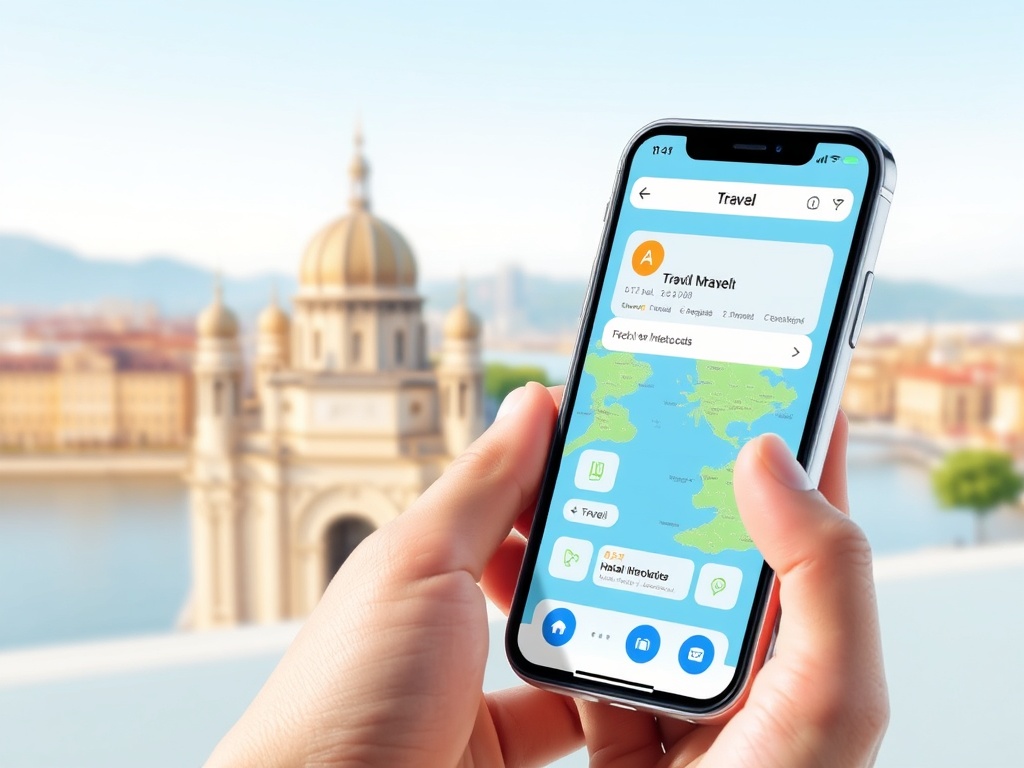
AI Apps for Travel Recommendations: Revolutionizing the Way We Plan Our Journeys
December 05, 2025
As we step into a new era of travel technology, artificial intelligence (AI) is transforming the way we plan and book our trips. With the abundance of options available, AI-powered apps are emerging as game-changers in the travel industry. These innovative tools use machine learning algorithms to provide personalized recommendations, making it easier for travelers to discover new destinations, activities, and experiences.
The Rise of AI-Powered Travel Apps
In recent years, AI has become increasingly prominent in the travel sector. With the explosion of data from various sources, such as social media, review sites, and booking platforms, AI algorithms can analyze this information to generate insights that help travelers make informed decisions.
One of the pioneers in AI-powered travel apps is Google Trips (1). Launched in 2016, this app uses machine learning to plan trips based on user preferences, including flight bookings, hotel reservations, and activity suggestions. By analyzing travel patterns, Google Trips can predict and suggest the most suitable itineraries for users.
Another notable example is TripIt (2), a popular travel planning platform that integrates AI-powered recommendations. This app allows users to organize their trip plans by aggregating flight information, hotel bookings, and activities into a single itinerary. With machine learning capabilities, TripIt can also provide personalized suggestions based on user preferences and past travel history.
The Power of AI in Travel Recommendations
So, what makes AI-powered apps so effective in providing travel recommendations? Here are some key factors:
- Personalization: AI algorithms analyze users’ behavior, preferences, and interests to generate tailored suggestions.
- Predictive Analytics: By studying patterns and trends, AI can predict the likelihood of a particular activity or destination being suitable for a user.
- Natural Language Processing (NLP): AI-powered chatbots and voice assistants use NLP to understand user requests and provide relevant information.
These capabilities enable AI apps to:
- Suggest Alternative Activities: Based on user preferences, AI can recommend alternative activities or attractions that might interest them.
- Optimize Itineraries: AI algorithms analyze travel patterns to optimize itineraries, ensuring the most efficient use of time and minimizing unnecessary travel.
- Provide Real-Time Insights: By leveraging real-time data, AI apps can provide travelers with up-to-date information on flight delays, weather conditions, or last-minute changes.
The Future of AI-Powered Travel Apps
As AI technology continues to evolve, we can expect even more innovative features in travel apps. Some potential developments include:
- Multi-Destination Planning: AI-powered apps will be able to plan trips that span multiple destinations, taking into account complex itineraries and logistical considerations.
- Real-Time Recommendations: With the ability to analyze real-time data, AI apps will provide travelers with personalized suggestions based on their current location, activities, and preferences.
- Virtual Travel Assistants: AI-powered chatbots and voice assistants will become even more prevalent, offering personalized support and recommendations throughout a traveler’s journey.
Conclusion
In conclusion, AI-powered travel apps have revolutionized the way we plan our journeys. By leveraging machine learning algorithms, these innovative tools provide personalized recommendations, optimize itineraries, and offer real-time insights. As AI technology continues to advance, we can expect even more features that will enhance the travel experience. Whether you’re a seasoned traveler or just starting your adventure, AI-powered apps are sure to make your journey smoother, more enjoyable, and memorable.
References
- Google Trips (2025). Retrieved from https://www.google.com/trips/
- TripIt (2025). Retrieved from https://www.tripit.com/