AI Apps for Customer Interactions: Revolutionizing the Way Businesses Connect with Their Audience
October 5, 2025
As we venture deeper into the era of artificial intelligence (AI), it’s becoming increasingly evident that AI-powered apps are transforming the way businesses interact with their customers. Gone are the days of tedious, human-only customer service experiences; today’s innovative technology has given rise to AI-driven chatbots and virtual assistants that can efficiently and effectively engage with customers.
In this article, we’ll delve into the world of AI apps for customer interactions, exploring their benefits, features, and potential impact on businesses. Whether you’re an entrepreneur looking to revolutionize your customer service strategy or a consumer seeking to understand the latest advancements in AI-powered communication, this article is designed to provide you with a comprehensive overview of the exciting possibilities that AI has brought to the table.
What are AI Apps for Customer Interactions?
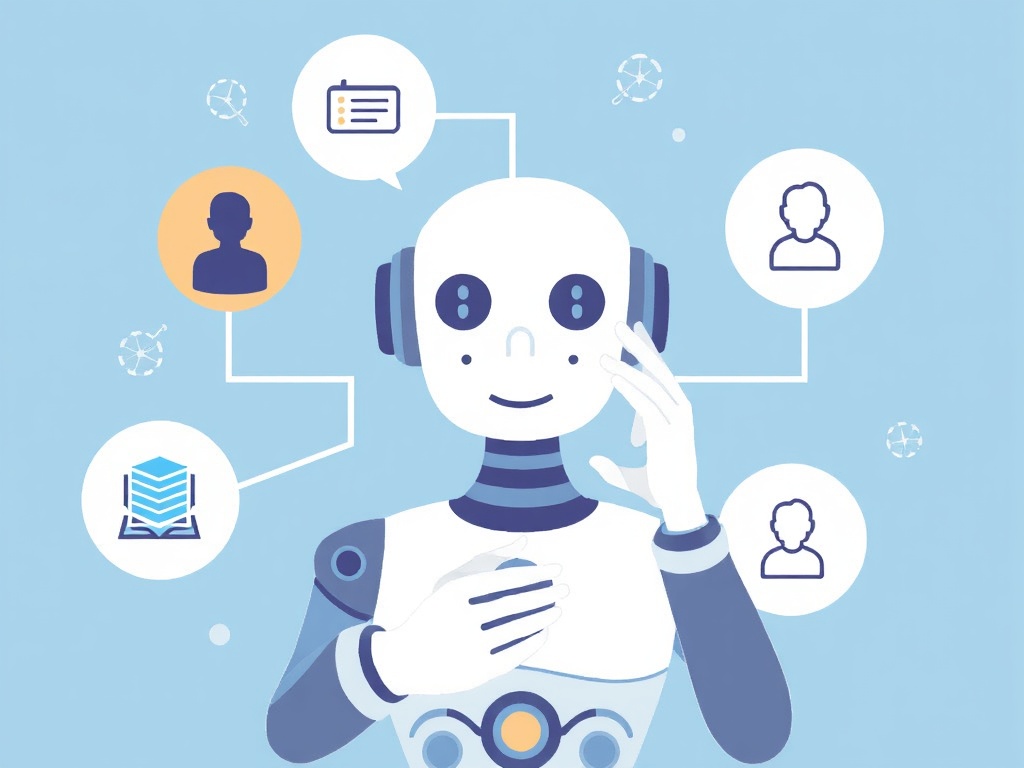
AI apps for customer interactions refer to software applications that utilize machine learning algorithms and natural language processing (NLP) capabilities to simulate human-like conversations with customers. These apps can take various forms, including:
- Chatbots: Automated chat systems that engage with customers through messaging platforms, such as WhatsApp or Facebook Messenger.
- Virtual Assistants: AI-powered digital assistants that integrate with devices and appliances, enabling users to control their environments using voice commands.
- Intelligent Customer Service Agents: Software applications designed to mimic human customer service representatives, providing personalized support and resolving issues efficiently.
Benefits of AI Apps for Customer Interactions
The advantages of utilizing AI apps for customer interactions are numerous:
- 24/7 Availability: AI-powered chatbots and virtual assistants can operate around the clock, ensuring that customers receive prompt responses regardless of time zones or geographic locations.
- Scalability: These applications can handle an infinite number of conversations simultaneously, eliminating the need for human customer service agents to work overtime or manage excessive workload.
- Personalization: AI apps can be programmed to recognize individual preferences, behaviors, and purchasing habits, enabling businesses to provide tailored experiences that foster loyalty and encourage repeat business.
- Cost Savings: By automating routine inquiries and tasks, businesses can reduce labor costs associated with human customer service agents while maintaining high-quality support standards.
- Faster Response Times: AI-powered apps can respond instantly to customer queries, providing swift resolution of issues and minimizing frustration.
Key Features of AI Apps for Customer Interactions
The following features are essential components of AI apps designed for customer interactions:
- Natural Language Processing (NLP): Enables the app to understand and interpret human language, allowing customers to communicate in a natural, conversational manner.
- Machine Learning: Allows the app to learn from user behavior, adjusting its responses and strategies to improve overall performance over time.
- Integration with CRM Systems: Connects AI apps with customer relationship management (CRM) systems, providing seamless access to customer data and purchase history.
- Emotional Intelligence: Equips AI apps with emotional intelligence capabilities, enabling them to recognize and respond to customer emotions, such as empathy or frustration.
Real-World Applications of AI Apps for Customer Interactions
The impact of AI-powered apps on customer interactions is undeniable:
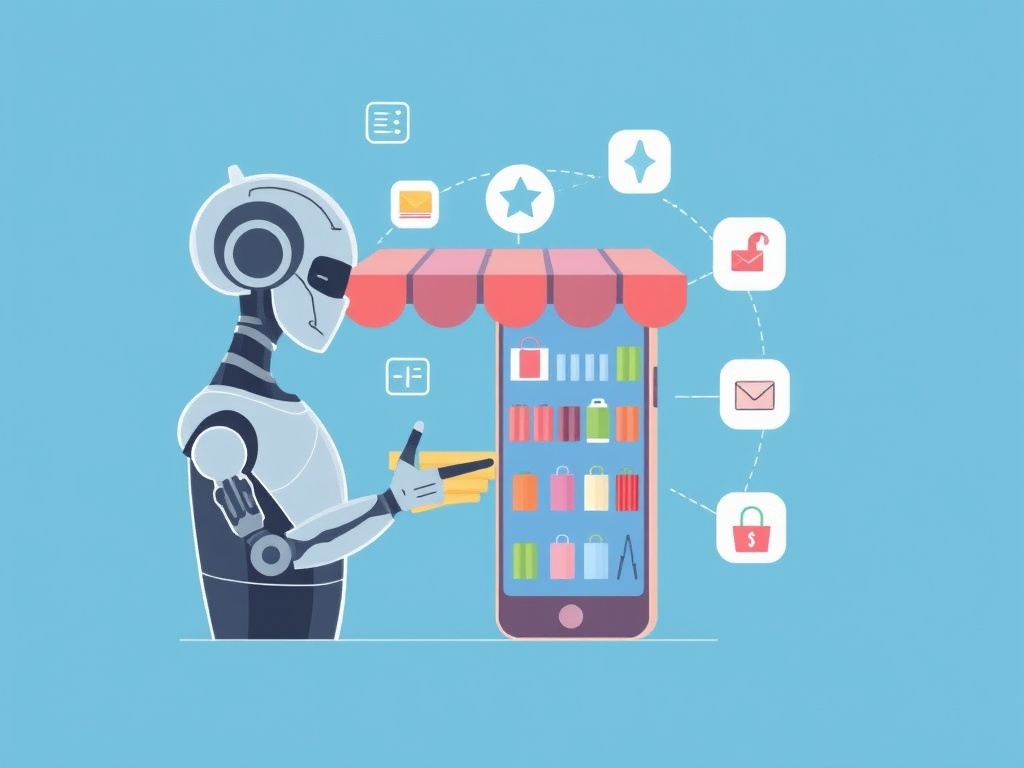
- Retail: E-commerce giants like Amazon have successfully implemented AI-driven chatbots to assist customers with product recommendations, order tracking, and returns.
- Financial Services: Banks and financial institutions are leveraging AI-powered virtual assistants to provide personalized banking solutions, investment advice, and credit score monitoring.
- Healthcare: Telemedicine platforms are utilizing AI apps to connect patients with healthcare professionals, streamline appointment scheduling, and offer personalized health advice.
Challenges and Limitations of AI Apps for Customer Interactions
While AI apps have revolutionized customer interactions, there remain some challenges and limitations:
- Data Quality: The accuracy and reliability of AI-powered responses depend on the quality of data inputted into the system.
- Complexity: Some customer issues may require human-level understanding and empathy, which AI apps currently struggle to replicate.
- Bias and Unintended Consequences: AI algorithms can perpetuate biases embedded in training data or produce unforeseen consequences, such as misinterpreting user intent.
Conclusion
As we continue to evolve into a world where technology plays an increasingly vital role in shaping our interactions, it’s essential for businesses to stay ahead of the curve by embracing AI-powered apps for customer interactions. By recognizing the benefits, features, and limitations of these innovative solutions, companies can optimize their customer service strategies, increase efficiency, and foster deeper connections with their audience.
Whether you’re a seasoned business owner or an aspiring entrepreneur, the future of customer interactions is bright, thanks to the revolutionary power of AI apps. As we move forward into this exciting new era, it’s crucial that we continue to explore, adapt, and innovate – ensuring that our customers remain at the forefront of everything we do.
References:
- “The Rise of AI-Powered Customer Service” by Forbes
- “AI-Driven Chatbots: The Future of Customer Interactions” by Harvard Business Review
- “Virtual Assistants: Revolutionizing the Way We Live and Work” by Wired Magazine