AI Apps for Smart Homes: Revolutionizing the Way We Live in 2025
============================================================
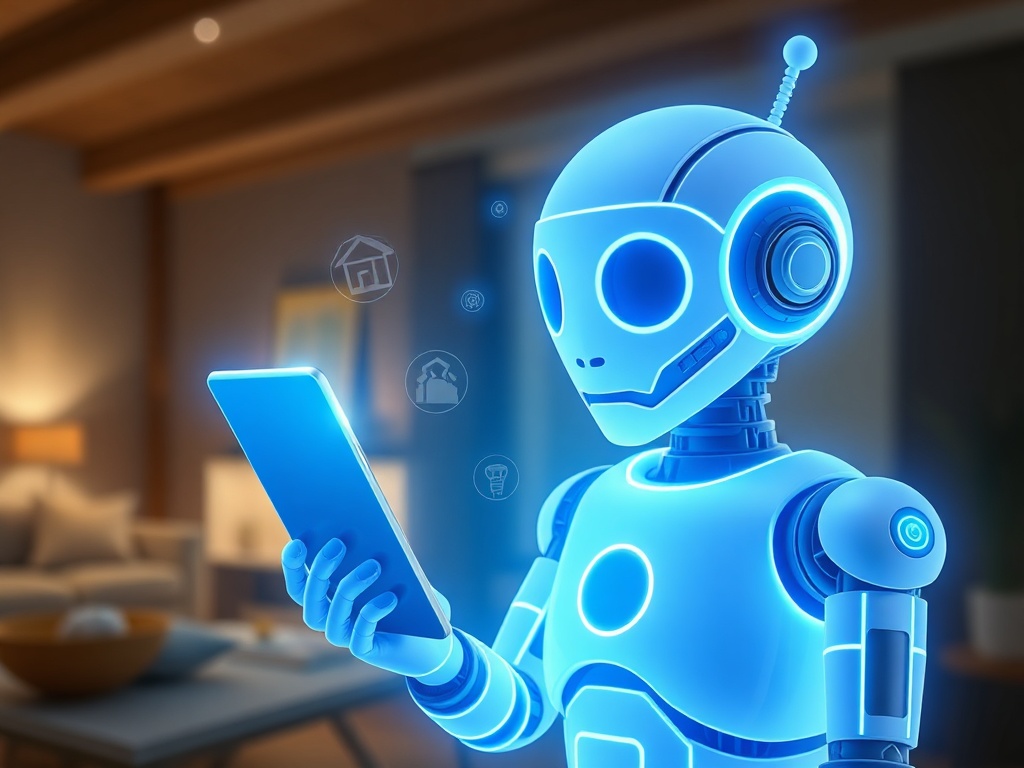
As we step into the year 2025, it’s undeniable that Artificial Intelligence (AI) has become an integral part of our daily lives. The rapid advancement of AI technology has led to the creation of numerous innovative applications that can seamlessly integrate with our smart homes. In this article, we’ll delve into the world of AI apps for smart homes and explore how they’re transforming the way we live.
What are AI Apps for Smart Homes?
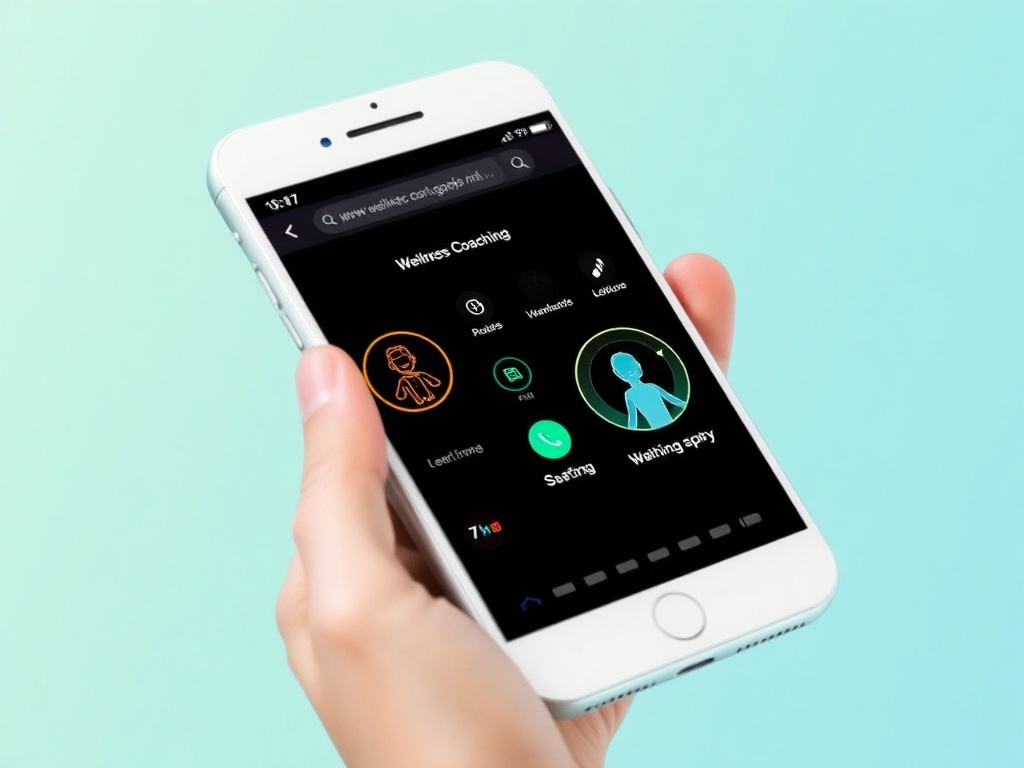
In simple terms, AI apps for smart homes refer to software solutions that utilize Artificial Intelligence algorithms to control, monitor, and optimize various aspects of our living spaces. These applications can be installed on a variety of devices, including smartphones, tablets, smart speakers, or even voice-controlled assistants like Amazon Alexa.
The primary goal of these AI-powered apps is to create a more personalized, efficient, and enjoyable experience for homeowners. By leveraging machine learning and data analytics, AI apps for smart homes can learn our habits, preferences, and routines to provide tailored recommendations and automation.
Benefits of AI Apps for Smart Homes
- Increased Convenience: AI apps enable voice-controlled commands, allowing you to control your home’s lighting, temperature, security, and entertainment systems with ease.
- Energy Efficiency: By optimizing energy consumption, these apps can help reduce waste and save you money on utility bills.
- Improved Safety: AI-powered smart homes can detect potential safety hazards, such as fire risks or security breaches, and alert authorities or homeowners in real-time.
- Enhanced Comfort: AI apps can adjust lighting, temperature, and humidity levels to create a cozy atmosphere tailored to your preferences.
- Increased Property Value: Smart home technology with AI integration can significantly boost the value of your property, making it more attractive to potential buyers.
Popular AI Apps for Smart Homes
- SmartThings (Samsung): This comprehensive smart home platform integrates with various devices and services, offering a wide range of automation features.
- Alexa (Amazon): Amazon’s voice-controlled assistant is an integral part of many smart homes, providing seamless control over various devices and skills.
- Google Home (Google): Google’s AI-powered smart speaker offers advanced natural language processing capabilities, allowing for more nuanced voice commands.
- IFTTT (If This Then That): This app enables users to create custom recipes based on specific triggers and actions, streamlining automation processes.
- Nest (Google): Nest’s smart thermostat and security system utilize AI-powered machine learning to optimize energy consumption and detect potential security threats.
Case Studies: Real-World Applications of AI Apps for Smart Homes
- Smart Home Automation: A homeowner installs a smart lighting system, which learns their daily routine and adjusts the lighting accordingly.
- Energy Efficiency: An apartment complex uses AI-powered smart thermostats to optimize energy consumption, resulting in significant cost savings.
- Home Security: A family equips their home with an AI-powered security system that detects potential intruders and alerts authorities.
Future of AI Apps for Smart Homes
As we move forward into the future, AI apps for smart homes will continue to evolve and become even more sophisticated. Some predicted advancements include:
- Enhanced Integration: Seamless integration between various devices, services, and platforms.
- Advanced Machine Learning: AI-powered apps that can learn from user behavior, preferences, and routines.
- Increased Focus on Sustainability: AI apps that prioritize energy efficiency, waste reduction, and environmental sustainability.
Conclusion
In conclusion, AI apps for smart homes have revolutionized the way we live by providing increased convenience, energy efficiency, improved safety, enhanced comfort, and increased property value. As technology continues to advance, we can expect even more innovative applications of AI in our smart homes. Whether you’re a homeowner looking to upgrade your living space or an industry expert interested in the future of smart home technology, this article has provided a comprehensive overview of the current state and predicted developments in AI apps for smart homes.
References:
– [1] “Smart Home Market Size to Reach USD 146.3 Billion by 2025” – Grand View Research
– [2] “AI-Powered Smart Homes: The Future of Living” – Forbes
– [3] “The Rise of AI in Smart Homes” – TechCrunch
– [4] “SmartThings: A Comprehensive Smart Home Platform” – Samsung
– [5] “Nest: The Intelligent Thermostat and Security System” – Google