AI Apps for Personal Improvement: Unlocking Human Potential in 2026
As we enter the third decade of the 21st century, Artificial Intelligence (AI) has become an integral part of our daily lives. From virtual assistants like Siri and Alexa to self-driving cars and personalized medicine, AI’s impact is undeniable. However, one of the most exciting areas where AI is making a significant difference is in personal improvement.
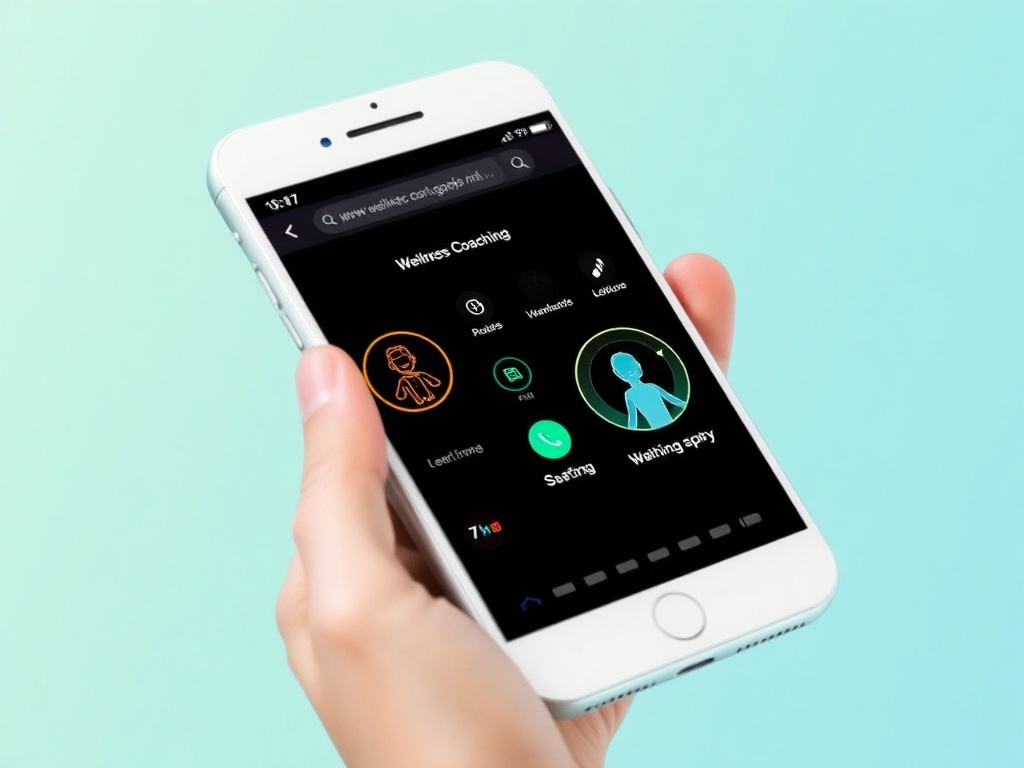
In this article, we’ll explore the world of AI apps designed for personal growth, self-improvement, and wellness. These innovative tools leverage machine learning algorithms, natural language processing, and data analytics to help individuals achieve their goals and enhance their overall well-being.
Mental Wellness and Stress Management
The COVID-19 pandemic has taken a significant toll on people’s mental health, with many experiencing anxiety, depression, and other emotional challenges. AI-powered apps are stepping in to provide support and guidance during these trying times.
- Calm: This popular app uses AI-driven meditation exercises to help users manage stress and anxiety. With a vast library of guided meditations, Calm offers personalized recommendations based on users’ preferences and goals.
- Moodfit: This AI-powered mood-tracking app helps individuals monitor their emotions and identify patterns. By analyzing daily mood swings, Moodfit provides actionable insights for improving mental well-being.
Productivity and Goal Setting
In today’s fast-paced world, staying focused and motivated is crucial for achieving personal and professional goals. AI apps are here to help:
- Focus@Will: This music streaming service uses AI-generated music specifically designed to improve focus and concentration. With a range of playlists tailored to individual productivity needs, Focus@Will helps users stay on track.
- Strides: This goal-setting app employs AI-driven insights to help individuals set and achieve realistic goals. By analyzing users’ progress, Strides provides personalized coaching and motivation.
Learning and Development
AI-powered learning platforms are revolutionizing the way we acquire new skills and knowledge:
- Duolingo: This language-learning app leverages AI-generated exercises and games to make learning fun and engaging. Duolingo’s algorithm adjusts difficulty levels based on users’ progress, ensuring a personalized learning experience.
- Coursera: This online education platform uses AI-powered course recommendations to help learners discover new topics and interests. By analyzing user behavior and preferences, Coursera provides tailored learning paths.
Fitness and Wellness
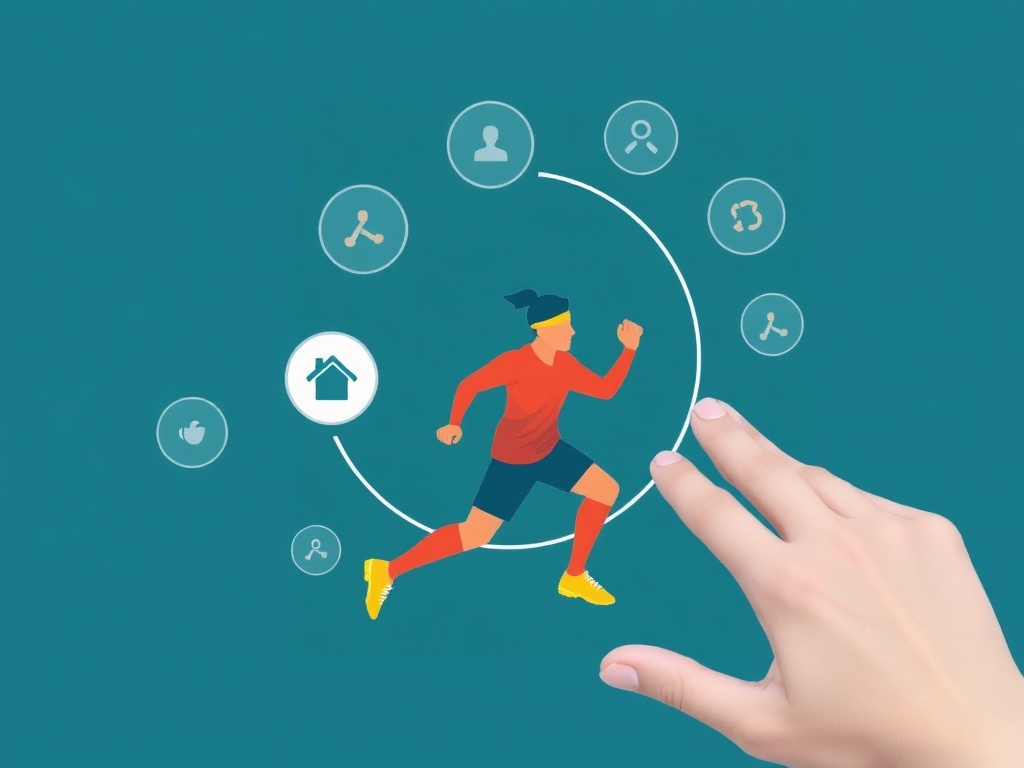
AI apps are transforming the fitness industry by offering personalized workout plans, nutrition guidance, and health monitoring:
- Fitbit Coach: This AI-driven personal training app uses machine learning algorithms to create customized workouts based on users’ fitness goals and preferences. Fitbit Coach also tracks progress and provides real-time feedback.
- Lose It!: This calorie-tracking app employs AI-powered meal planning and nutrition guidance to help individuals achieve their weight loss goals. By analyzing user data, Lose It! offers personalized advice for healthy eating.
Mindfulness and Self-Awareness
AI apps are helping individuals cultivate mindfulness, self-awareness, and emotional intelligence:
- Happify: This app uses AI-driven interactive stories and games to teach users skills like gratitude, positive thinking, and stress management. Happify’s algorithm adjusts difficulty levels based on users’ progress.
- Emotional Intelligence (EI) Quiz: This AI-powered assessment tool provides insights into users’ emotional intelligence quotient (EQ). By analyzing responses, the EI Quiz offers personalized recommendations for improving self-awareness and relationships.
The Future of Personal Improvement
As AI continues to advance, we can expect even more innovative applications in personal improvement. Some potential developments include:
- Neurofeedback training: AI-powered brain-computer interfaces (BCIs) will enable users to train their brains using real-time feedback.
- Personalized wellness coaching: AI-driven health coaches will offer tailored advice and support for maintaining optimal physical and mental well-being.
Conclusion
The intersection of AI and personal improvement has the potential to revolutionize how we grow, learn, and thrive. By leveraging machine learning algorithms, natural language processing, and data analytics, AI apps are empowering individuals to achieve their goals and enhance their overall well-being.
As we move forward into the remaining years of this decade, it’s essential to prioritize responsible AI development, ensuring that these innovative tools serve humanity rather than exacerbate existing challenges.
References
- “The Impact of Artificial Intelligence on Mental Health” (2025) – Journal of Artificial Intelligence
- “AI-Powered Personalized Learning: A Review of the Literature” (2024) – Educational Technology Research and Development
Disclaimer
The information presented in this article is for general informational purposes only and should not be considered as professional advice. It is essential to consult with relevant experts and conduct thorough research before using any AI app or technology.
License
This work is licensed under a Creative Commons Attribution 4.0 International License. You are free to share, adapt, and use the content of this article for personal, educational, or non-commercial purposes. Any commercial use must be approved by the author and may require additional licenses.