AI Apps for Online Learning Platforms: Revolutionizing Education in 2026
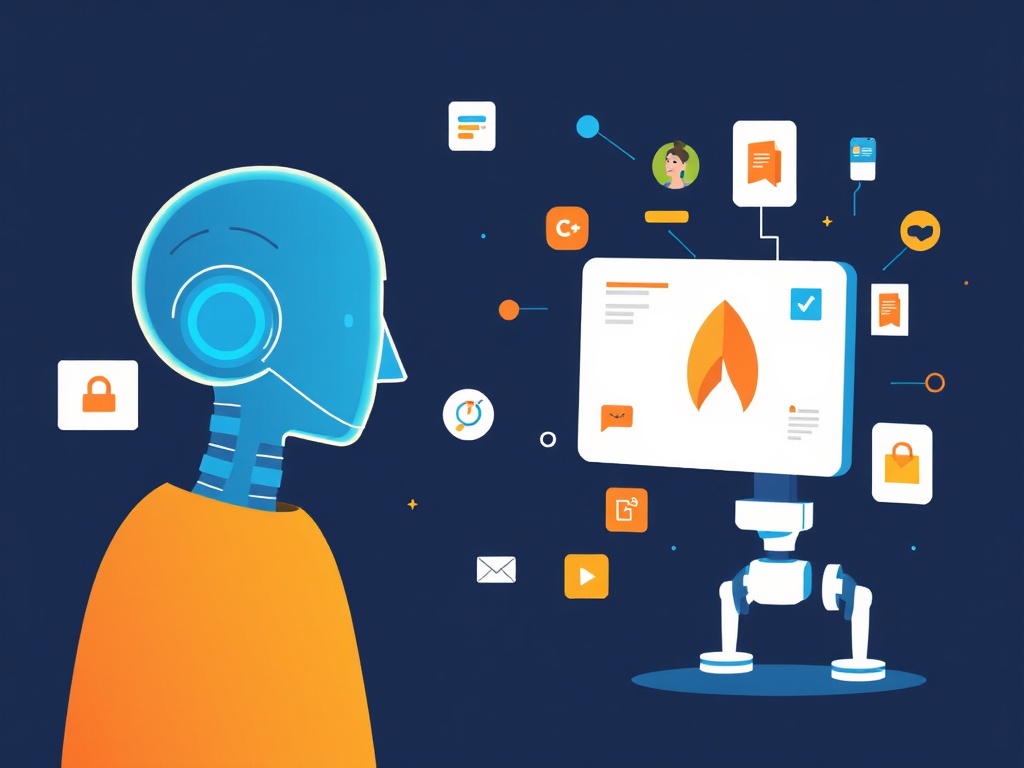
As we step into the new decade, it’s no surprise that technology continues to shape and transform various aspects of our lives, including education. The rise of online learning platforms has been a significant trend over the past few years, and AI apps have emerged as game-changers in this space. In this article, we’ll explore the world of AI-powered educational applications and their potential impact on the future of online learning.
What are AI Apps for Online Learning Platforms?
In simple terms, AI apps for online learning platforms refer to software programs that utilize artificial intelligence (AI) to enhance the overall learning experience. These applications can be integrated with existing e-learning platforms or function as standalone tools. Their primary goal is to provide a more personalized, efficient, and engaging educational environment.
How do AI Apps Enhance Online Learning?
The integration of AI in online learning platforms has numerous benefits for students, educators, and the learning process as a whole. Some key advantages include:
Personalization
AI-powered apps can analyze individual student performance, behavior, and preferences to create customized learning pathways. This tailored approach helps students better grasp complex concepts, reducing the risk of information overload.
Intelligent Tutoring Systems (ITS)
ITS are AI-driven tools that simulate human-like interactions with students. They can provide real-time feedback, answer questions, and offer guidance on complex topics. ITS have been shown to significantly improve learning outcomes and student engagement.
Automated Grading
AI-powered grading systems eliminate the need for manual assessment, freeing educators from time-consuming tasks. This also enables faster feedback delivery, allowing students to adjust their learning strategies more effectively.
Natural Language Processing (NLP)
NLP-based AI apps can analyze and generate human-like text, enabling applications such as:
- Intelligent chatbots for student support
- Automated content generation for course materials
- Enhanced search functionality within online platforms
Predictive Analytics
AI-powered analytics tools can forecast student performance, identifying areas where students may need extra support. This proactive approach enables educators to develop targeted interventions and optimize learning outcomes.
AI-Powered Educational Apps: Examples and Case Studies
Several AI-driven educational apps have already demonstrated their potential in online learning platforms:
Duolingo
The popular language-learning app uses AI-powered gamification, personalized lessons, and real-time feedback to engage students and promote language acquisition.
Udemy’s AI-Powered Course Recommendations
Udemy, a well-known online learning platform, has developed an AI-driven course recommendation system. This tool analyzes user behavior, preferences, and learning history to suggest relevant courses.
Coursera’s AI-Driven Learning Analytics
Coursera, another prominent online learning platform, utilizes AI-powered analytics tools to track student progress, identify knowledge gaps, and provide personalized feedback.
Challenges and Future Directions
While AI apps for online learning platforms have shown immense promise, there are still challenges to be addressed:
Ethical Concerns
The integration of AI in education raises concerns about bias, data privacy, and the potential impact on traditional teaching methods. Educators must remain vigilant in addressing these issues.
Curriculum Development
AI-powered educational apps require high-quality curriculum development to ensure their effectiveness. This necessitates collaboration between educators, developers, and subject matter experts.
Infrastructure and Scalability
As AI-driven educational apps become more widespread, online learning platforms will need to invest in robust infrastructure and scalability solutions to accommodate the increased demand.
Conclusion
The integration of AI apps with online learning platforms has the potential to revolutionize education. By providing personalized learning experiences, intelligent tutoring systems, automated grading, and predictive analytics, these applications can significantly enhance student engagement, retention, and overall performance.
As we move forward in 2026, it’s essential for educators, developers, and policymakers to work together to address the challenges and opportunities presented by AI-powered educational apps. By doing so, we can create a more inclusive, efficient, and effective education system that prepares students for success in an increasingly complex world.
References
- “The Future of Education: How Artificial Intelligence Will Transform Learning”, Forbes (2025)
- “AI-Powered Learning: The Next Generation of Educational Technology”, EdTech Review (2024)
- “Artificial Intelligence in Education: A Review of the Literature”, Journal of Educational Computing Research (2023)