AI Apps for Movies: Revolutionizing the Film Industry in 2025
September 22, 2025
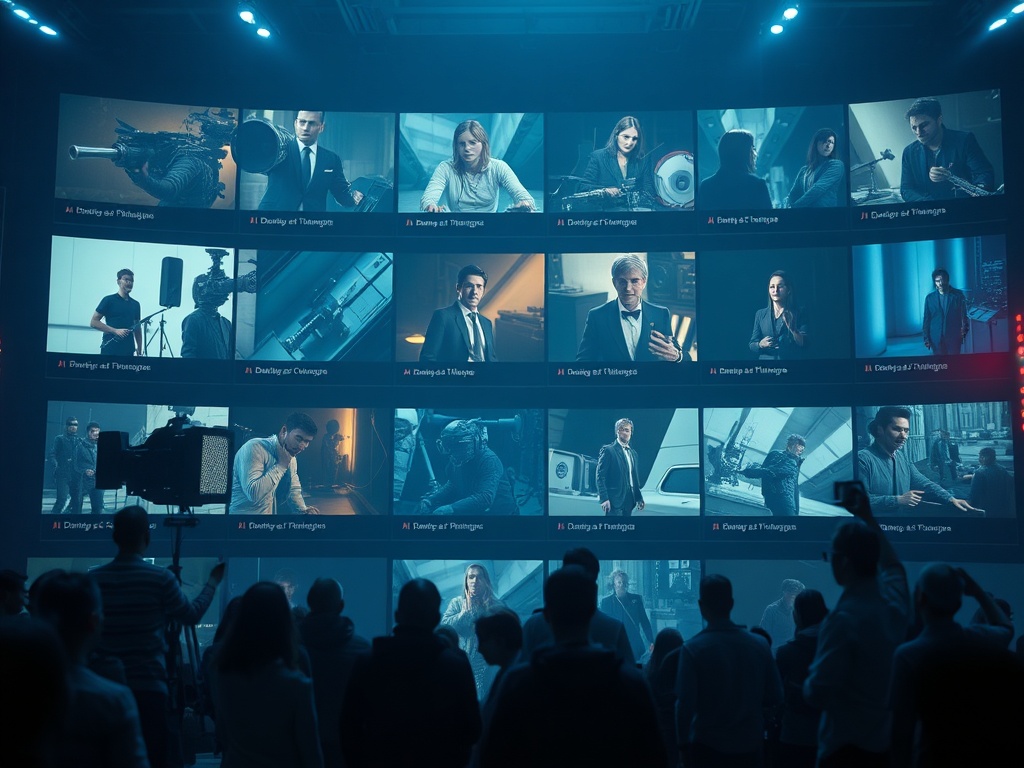
The film industry has undergone significant transformations over the years, and the latest trend is the integration of Artificial Intelligence (AI) into movie-making processes. As we continue to navigate the complexities of this digital age, AI apps are playing a vital role in enhancing the cinematic experience. In this article, we’ll delve into the various AI-powered applications that are revolutionizing the film industry in 2025.
Content Generation
One of the most significant impacts of AI on movies is content generation. With the rise of streaming platforms and the increasing demand for diverse content, filmmakers are turning to AI apps to create engaging storylines, characters, and dialogue. These intelligent systems can analyze vast amounts of data, draw inspiration from popular franchises, and generate new ideas that might not have been possible through traditional methods.
For instance, AI-powered tools like AI Scriptwriter can assist writers in developing scripts for movies and TV shows. By analyzing the writer’s style and preferences, these apps can produce original content that aligns with their creative vision. This collaboration between humans and machines has the potential to lead to innovative storytelling approaches that will captivate audiences worldwide.
Visual Effects
AI is also transforming the visual effects (VFX) sector in 2025. Advanced AI algorithms are being used to create realistic characters, environments, and special effects that were previously unimaginable. For example, AI-powered VFX tools can generate photorealistic CGI characters, allowing filmmakers to bring their imagination to life without relying on expensive practical effects.
One notable example is DeepMotion, an AI-driven platform that enables studios to create realistic character animations using machine learning algorithms. By analyzing the movements of real actors and then applying these patterns to digital characters, DeepMotion can produce stunning visual effects that are both convincing and cost-effective.
Audio Post-Production
AI is also making waves in audio post-production, where AI apps are being used to enhance sound design, music composition, and audio mixing. These intelligent systems can analyze the tone and style of a movie’s soundtrack, generating original scores that complement the visuals perfectly.
For instance, AIVA is an AI-powered composer that creates bespoke music for films and TV shows. By analyzing the film’s genre, tone, and emotional arc, AIVA generates a unique soundtrack that resonates with audiences worldwide.
Color Grading and Color Correction
AI is also being used to streamline color grading and correction processes in 2025. Advanced algorithms can analyze the visual aesthetic of a movie and apply subtle adjustments to enhance the overall look and feel. This automation enables filmmakers to focus on creative decisions rather than tedious technical tasks, allowing for more time to perfect their craft.
For example, LUT Creator is an AI-powered platform that generates custom LUTs (Look Up Tables) based on a film’s style and tone. By analyzing the color palette of iconic movies or TV shows, LUT Creator can create unique LUTs that enable filmmakers to achieve their desired visual aesthetic.
AI-Generated Trailers
With the rise of social media and online streaming platforms, movie trailers have become an essential marketing tool. AI apps are now being used to generate stunning trailers that grab attention and build anticipation for upcoming films.
For instance, Trailer Park is an AI-powered platform that uses machine learning algorithms to create captivating movie trailers. By analyzing the tone and style of a film’s genre, Trailer Park generates original trailers that resonate with target audiences worldwide.
AI-Driven Editing
Finally, AI is transforming the editing process in 2025 by streamlining tedious tasks and providing new creative tools for filmmakers. Advanced algorithms can analyze footage, identify key elements like cuts and transitions, and even suggest alternative edits to enhance the overall pacing and flow of a film.
For instance, VideoLancer is an AI-powered editing platform that automates the editing process by suggesting optimal cut points based on audio-visual cues. By analyzing the film’s genre, tone, and emotional arc, VideoLancer enables filmmakers to create stunning edits with ease.
As we navigate the complexities of this digital age, AI apps are revolutionizing the film industry in 2025. From content generation to visual effects, audio post-production, color grading, AI-generated trailers, and AI-driven editing – these intelligent systems are transforming the way movies are made, marketed, and consumed worldwide. As filmmakers continue to push the boundaries of storytelling and technology, we can expect even more innovative applications of AI in the years to come.
References: