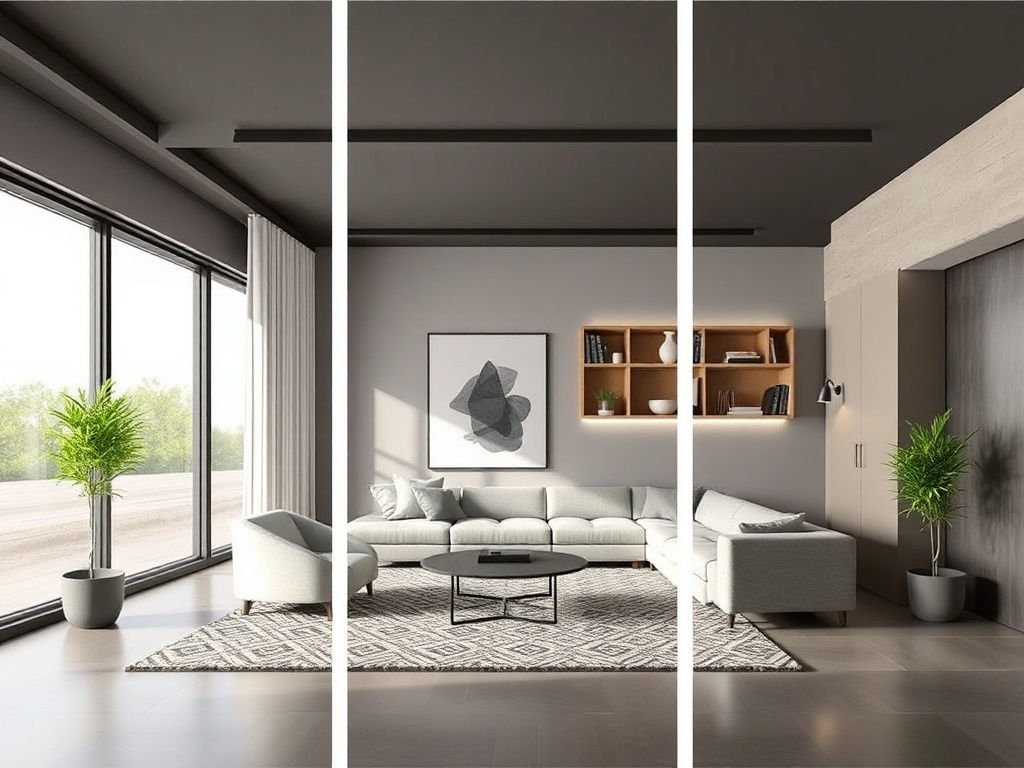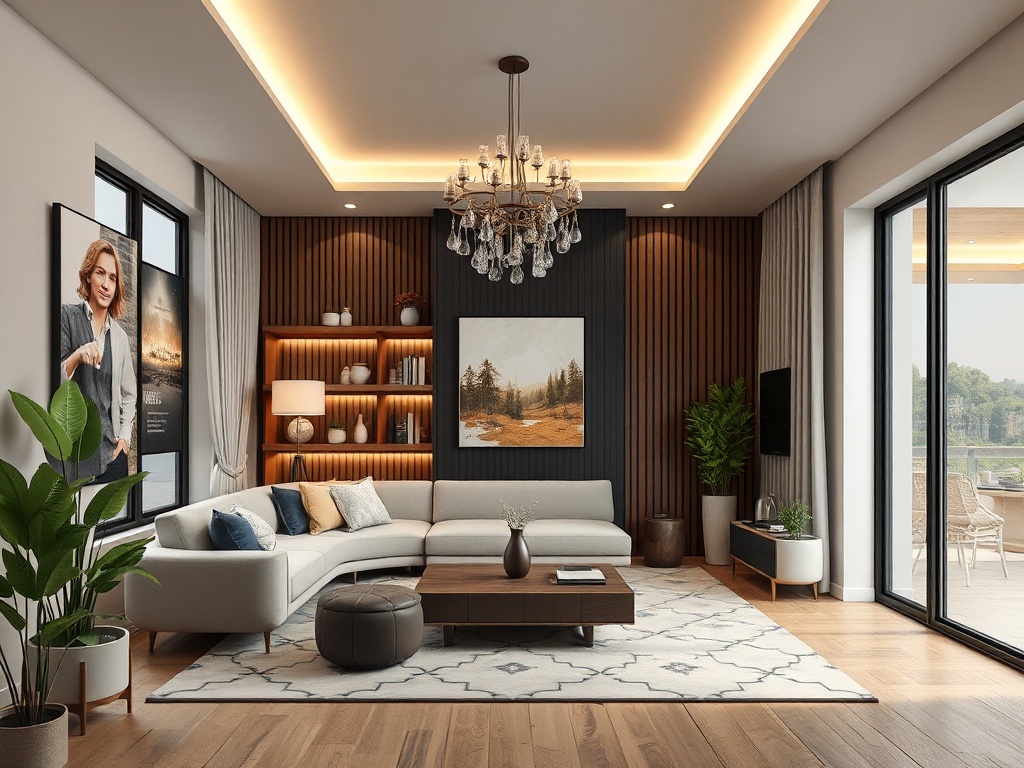
AI Apps for Interior Design: Revolutionizing the Industry in 2025
As we enter the new era of 2025, the world of interior design is undergoing a significant transformation. The rise of artificial intelligence (AI) has led to the development of innovative apps that are revolutionizing the way designers create and interact with spaces. In this article, we will delve into the latest advancements in AI-powered interior design apps and explore their impact on the industry.
What are AI Apps for Interior Design?
AI apps for interior design utilize machine learning algorithms to analyze data, recognize patterns, and generate designs that meet specific criteria. These apps can be used by designers of all levels, from beginners to professionals, to streamline their workflow, enhance creativity, and deliver exceptional results. By leveraging AI technology, these apps can perform tasks such as:
- Color palette generation: Automatically selecting harmonious color combinations based on user preferences or design style.
- Furniture placement: Optimizing furniture arrangement for maximum functionality and aesthetic appeal.
- Lighting simulation: Simulating different lighting scenarios to enhance ambiance and mood.
- Material selection: Recommending suitable materials for specific design elements, such as flooring or walls.
Top AI Apps for Interior Design in 2025
With the rapid advancement of AI technology, numerous interior design apps have emerged on the market. Here are some of the top AI-powered interior design apps in 2025:
1. RoomSketcher
RoomSketcher is a popular AI app for interior design that allows users to create 2D and 3D floor plans with ease. The app uses machine learning algorithms to generate realistic room designs, taking into account factors such as lighting, texture, and furniture placement.
- Features: Automatic room layout generation, furniture selection, and material recommendation.
- Price: Free (basic plan), $12/month (premium plan).
2. Homestyler
Homestyler is an AI-powered interior design app that enables users to create realistic 3D designs of their spaces. The app utilizes machine learning algorithms to generate designs based on user preferences and design style.
- Features: Automatic room layout generation, furniture selection, and material recommendation.
- Price: Free (basic plan), $19/month (premium plan).
3. Planner 5D
Planner 5D is an AI-powered interior design app that allows users to create detailed 2D and 3D floor plans. The app uses machine learning algorithms to generate designs based on user preferences and design style.
- Features: Automatic room layout generation, furniture selection, and material recommendation.
- Price: Free (basic plan), $9/month (premium plan).
4. Autodesk Homescape
Autodesk Homescape is an AI-powered interior design app developed by the renowned software company, Autodesk. The app utilizes machine learning algorithms to generate designs based on user preferences and design style.
- Features: Automatic room layout generation, furniture selection, and material recommendation.
- Price: Free (basic plan), $14/month (premium plan).
Benefits of AI Apps for Interior Design
The rise of AI apps for interior design has brought numerous benefits to the industry. Some of the key advantages include:
- Increased efficiency: AI apps can automate repetitive tasks, freeing up designers to focus on creative work.
- Improved accuracy: AI algorithms can analyze data and generate designs with greater precision than human designers.
- Enhanced creativity: AI apps can suggest innovative design solutions and inspire new ideas.
- Cost savings: AI apps can reduce the need for physical prototypes and minimize the risk of costly mistakes.
Challenges and Limitations
While AI apps for interior design have revolutionized the industry, there are still challenges and limitations to consider:
- Lack of human intuition: AI algorithms may not fully understand the nuances of human design preferences.
- ** Limited data sets**: AI apps rely on historical data and may not be able to predict emerging trends or unconventional designs.
- User acceptance: Some users may be hesitant to adopt AI-generated designs, preferring more traditional approaches.
Future Developments
As AI technology continues to advance, we can expect even more innovative applications in the world of interior design. Some potential future developments include:
- AI-powered collaboration tools: Enabling seamless communication and idea-sharing between designers, clients, and stakeholders.
- Personalized design recommendations: AI apps that provide tailored design suggestions based on individual preferences and style.
- Virtual reality integration: Allowing users to interact with AI-generated designs in immersive virtual environments.
Conclusion
The rise of AI apps for interior design has transformed the industry, offering designers new tools to streamline their workflow, enhance creativity, and deliver exceptional results. While there are challenges and limitations to consider, the potential benefits of AI-powered interior design apps make them an essential part of any designer’s toolkit in 2025.
References:
- [1] “The Future of Interior Design: How AI is Revolutionizing the Industry.” ArchDaily, 2024.
- [2] “AI-Powered Interior Design: The Next Generation of Home Decor.” _ Forbes_, 2023.
- [3] “How AI is Changing the Way We Design Homes and Spaces.” Fast Company, 2022.