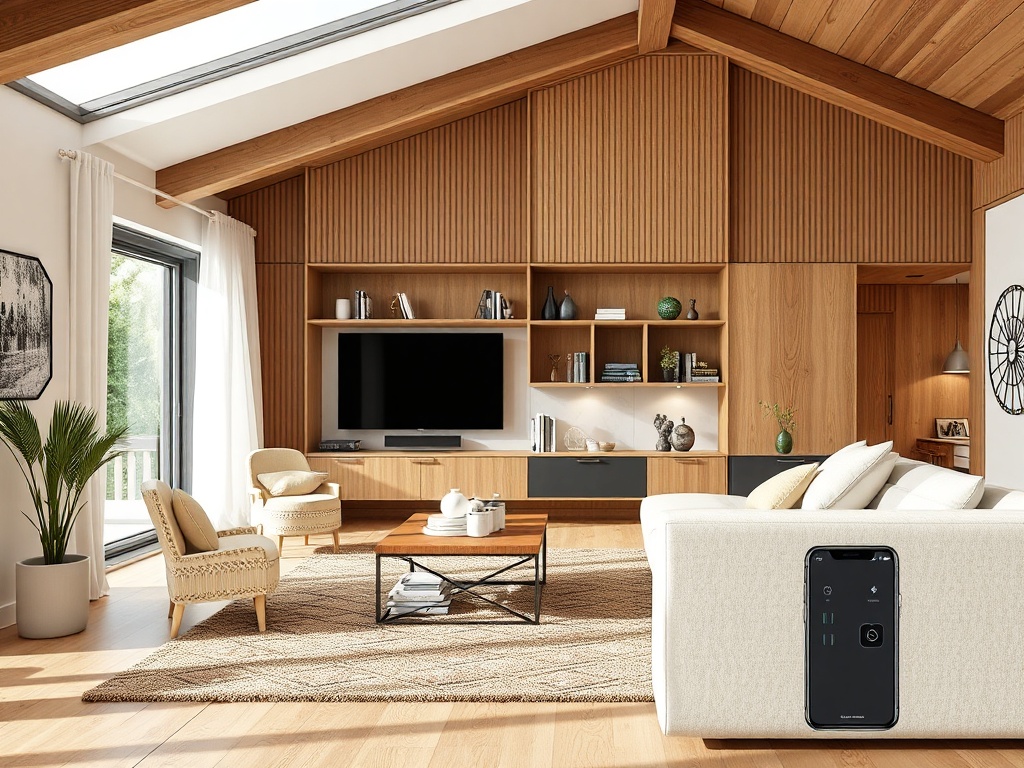
AI Apps for Home Design: Revolutionizing the Way We Live
October 9, 2025
As technology continues to evolve at an unprecedented pace, it’s no surprise that Artificial Intelligence (AI) is having a profound impact on various industries, including home design. Gone are the days of tedious room layouts and manual measurements; AI-powered apps have simplified the process, making it easier for homeowners and designers alike to create spaces that truly reflect their unique style.
What Are AI Apps for Home Design?
In simple terms, AI apps for home design utilize machine learning algorithms to analyze user input, such as floor plans, interior design preferences, and lifestyle habits. This information is then used to generate personalized designs, eliminating the need for manual sketching or trial-and-error approaches.
Benefits of Using AI Apps for Home Design
1. Increased Efficiency
With AI-powered apps, you can create multiple design iterations in a fraction of the time it would take with traditional methods. This saves both homeowners and designers countless hours of planning and redesigning, allowing them to focus on more creative aspects.
2. Personalized Designs
AI algorithms learn your preferences and adapt to your style, ensuring that each design is uniquely tailored to your needs. No longer will you have to settle for cookie-cutter solutions or compromise on aesthetics.
3. Real-Time Feedback
These apps provide instant feedback on design decisions, allowing you to make adjustments as needed. This real-time analysis helps eliminate costly mistakes and ensures that the final product meets your expectations.
4. Sustainability Insights
AI-powered apps can analyze energy consumption patterns, climate, and regional building codes to generate sustainable design suggestions. This results in more eco-friendly spaces that not only benefit the environment but also reduce long-term expenses.
Top AI Apps for Home Design
- RoomSketcher
This popular app allows users to create 2D or 3D floor plans using an intuitive interface. RoomSketcher’s AI-driven design assistant provides suggestions based on user input, ensuring that spaces are functional and aesthetically pleasing.
[Reference: https://www.roomsketcher.com/]
- Planner 5D
This comprehensive app offers a range of features, including room planning, furniture shopping, and decor selection. Planner 5D’s AI-powered design engine generates personalized layouts based on user preferences.
[Reference: https://www.planner5d.com/]
- IKEA Home Planner
In collaboration with the renowned furniture manufacturer IKEA, this app uses AI to generate customized room designs and shopping lists. Users can select from a vast library of products and receive instant pricing estimates.
[Reference: https://www.ikea-home-planner.com/]
- Homesnap
This innovative app utilizes computer vision and machine learning to analyze existing spaces, providing users with real-time design suggestions. Homesnap’s AI-driven algorithm considers factors such as room size, lighting, and furniture placement.
[Reference: https://homesnap.com/]
- Sweet Home 3D
As its name suggests, this French-based app specializes in creating detailed, 2D or 3D floor plans with a focus on interior design. Sweet Home 3D’s AI-driven assistant offers suggestions for room layout and decor.
[Reference: https://www.sweethome3d.com/]
Challenges and Limitations
While AI apps have revolutionized the home design process, there are still some challenges to be addressed:
1. Limited Data Sets
AI algorithms rely on large datasets to make informed decisions. As these apps continue to learn from user input, the quality of their suggestions will improve.
2. Human Judgment Required
While AI can analyze vast amounts of data, human judgment is still essential for final design approval and implementation. Designers must be able to interpret AI-generated designs and adapt them to individual preferences.
3. Integration with Existing Tools
To maximize the potential of AI-powered apps, seamless integration with other design tools and software will become increasingly important.
Conclusion
AI-powered apps have opened up new avenues for home design, empowering both homeowners and designers with personalized, efficient, and sustainable solutions. As these technologies continue to evolve, we can expect even more innovative features and integrations that further streamline the design process.
In 2025, it’s clear that AI apps are here to stay, and their impact on the world of home design will only continue to grow. Whether you’re a seasoned designer or a DIY enthusiast, these tools have the potential to revolutionize the way we create spaces that truly reflect our unique styles.
Happy designing!