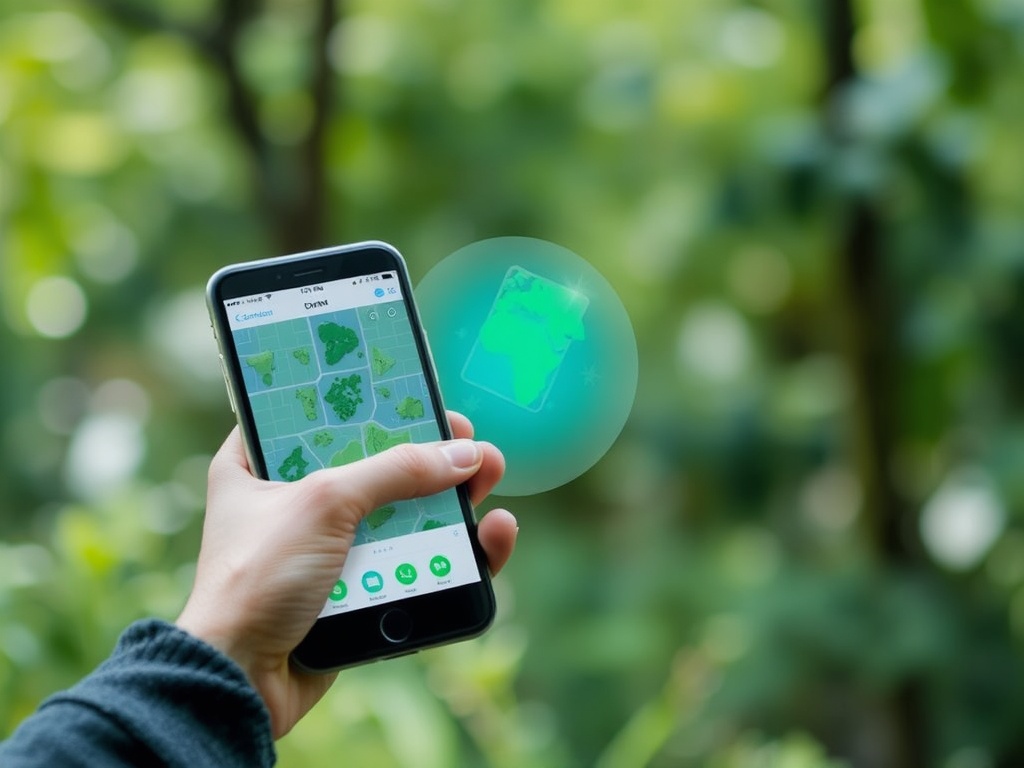
AI Apps for Environmental Monitoring: A Game-Changer in 2025
As we mark the midpoint of the 2020s, it’s undeniable that Artificial Intelligence (AI) has revolutionized various aspects of our lives. The environmental sector is no exception. With the increasing focus on sustainability and conservation, AI apps for environmental monitoring have emerged as a powerful tool to help us better understand and mitigate the impact of human activities on the environment.
In this article, we’ll delve into the world of AI-powered environmental monitoring, exploring its applications, benefits, and the role it can play in addressing some of the most pressing ecological challenges of our time. So, let’s dive in!
What are AI Apps for Environmental Monitoring?
Environmental monitoring involves collecting data on various parameters such as air quality, water pollution, noise levels, and climate change indicators. Traditionally, this process relied heavily on manual sampling methods, which were often time-consuming, labor-intensive, and prone to errors.
AI apps for environmental monitoring have transformed this landscape by leveraging machine learning algorithms, sensor networks, and data analytics to gather, process, and interpret vast amounts of environmental data in real-time. These AI-powered tools can detect patterns, identify anomalies, and provide actionable insights that inform decision-making, ultimately driving more effective conservation efforts.
Applications of AI Apps for Environmental Monitoring
- Air Quality Monitoring: AI-enabled air quality monitoring systems use sensors to track pollutants like particulate matter (PM), nitrogen dioxide (NO2), ozone (O3), and carbon monoxide (CO). These systems can predict AQI (Air Quality Index) scores, alerting authorities when levels exceed safe thresholds.
- Water Pollution Detection: AI-driven water quality monitoring apps utilize machine learning models to analyze chemical, biological, and physical parameters like pH, turbidity, and bacteria counts. This enables early detection of pollutants, helping prevent contamination and protect aquatic ecosystems.
- Noise Level Monitoring: AI-powered noise monitoring systems track sound levels in real-time, providing insights into noise pollution hotspots. This information can inform noise reduction strategies, ensuring a more peaceful environment for both humans and wildlife.
- Climate Change Indicators: AI-driven climate change monitoring apps analyze various indicators like temperature, precipitation, sea level rise, and ice cover. These insights enable researchers to better understand the impacts of global warming and develop effective mitigation strategies.
- Wildlife Conservation: AI-powered camera traps equipped with machine learning algorithms can identify species, track populations, and detect poaching activity. This technology has already proven successful in conserving endangered species like tigers and elephants.
Benefits of AI Apps for Environmental Monitoring
- Improved Accuracy: AI apps eliminate human error, providing more accurate data for environmental monitoring.
- Real-Time Insights: AI-powered systems enable real-time monitoring, allowing authorities to respond swiftly to changing environmental conditions.
- Cost-Effective: AI apps reduce the need for manual sampling and increase the efficiency of monitoring processes, making them a cost-effective solution.
- Scalability: AI-powered monitoring can be scaled up or down depending on the specific needs of different ecosystems, ensuring effective conservation efforts.
- Enhanced Decision-Making: AI-generated insights provide authorities with actionable data, enabling more informed decision-making for environmental policy and management.
Challenges and Limitations
While AI apps have revolutionized environmental monitoring, there are still some challenges to be addressed:
- Data Quality: AI algorithms rely on high-quality data; ensuring accurate and consistent sensor readings is crucial.
- Interoperability: Different AI systems may not seamlessly integrate with existing infrastructure, requiring careful planning and coordination.
- Cybersecurity: AI-powered monitoring systems require robust cybersecurity measures to prevent tampering or data breaches.
- Lack of Standardization: Varying standards for data formats, protocols, and communication channels can hinder the effectiveness of AI-powered monitoring.
The Future of AI Apps for Environmental Monitoring
As we move forward into 2025 and beyond, AI apps for environmental monitoring will continue to evolve and improve:
- Edge AI: Edge AI processing will become more prevalent, enabling real-time analysis closer to the data source.
- Federated Learning: Federated learning will facilitate collaboration between different AI systems, promoting knowledge sharing and improving overall performance.
- Hybrid Approaches: Hybrid approaches combining AI with traditional methods will provide a more comprehensive understanding of environmental phenomena.
- Increased Adoption: Governments, organizations, and individuals will increasingly adopt AI-powered monitoring solutions, driving widespread impact.
In conclusion, AI apps for environmental monitoring have the potential to revolutionize our ability to track and mitigate the impacts of human activities on the environment. As we continue to develop and refine these technologies, we can expect to see significant improvements in data accuracy, real-time insights, cost-effectiveness, scalability, and decision-making capabilities.
As we mark the midpoint of the 2020s, it’s clear that AI apps for environmental monitoring are poised to play a vital role in addressing some of the most pressing ecological challenges of our time. By embracing these technologies, we can work towards creating a more sustainable future – one where humans and the environment thrive in harmony.
References:
- “AI for Environmental Monitoring” by the European Space Agency (ESA)
- “The Future of AI in Environmental Monitoring” by the National Oceanic and Atmospheric Administration (NOAA)
- “Artificial Intelligence for Sustainability” by the United Nations Environment Programme (UNEP)