AI Apps for Fitness: Revolutionizing Your Workout Experience in 2025
============================================================
As we enter the fourth quarter of 2025, the fitness industry is abuzz with innovative technologies that promise to revolutionize the way we work out. Among these game-changers are AI-powered apps designed specifically for fitness enthusiasts like you and me. In this article, we’ll dive into the world of AI Apps for Fitness, exploring what they offer, how they work, and what benefits they bring to our fitness journeys.
What are AI Apps for Fitness?
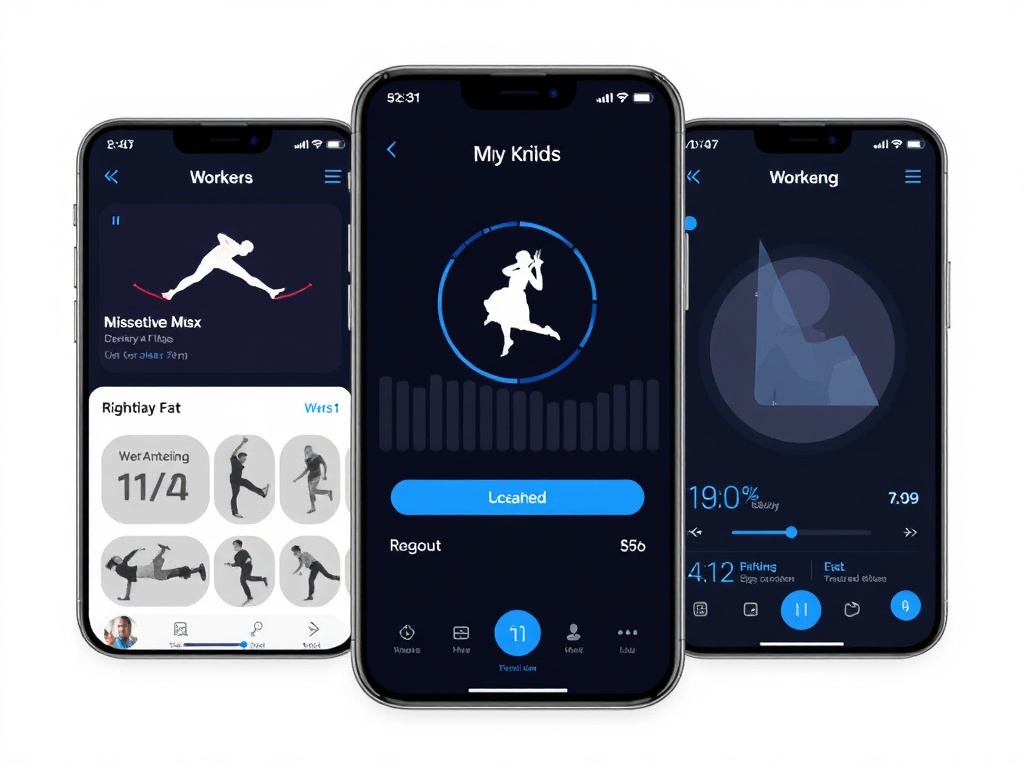
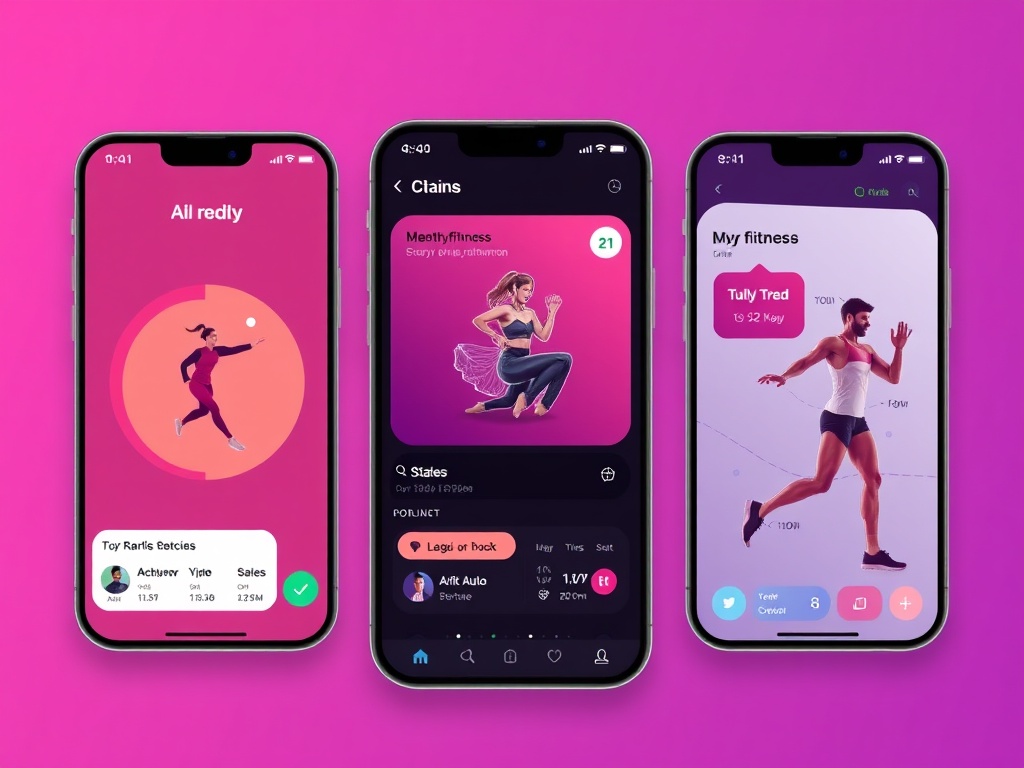
In simple terms, AI (Artificial Intelligence) apps for fitness are software applications that use machine learning algorithms to analyze your physical activity, provide personalized recommendations, and help you achieve your fitness goals. These apps can be downloaded onto your smartphone or tablet, making them easily accessible wherever you go.
Types of AI Apps for Fitness
The fitness app landscape has evolved significantly since 2020, with the introduction of AI-powered apps that cater to diverse user needs. Here are some examples:
1. Personal Training Assistants
Apps like FitGenie and Personal Trainer 2.0 offer virtual personal training sessions, where AI algorithms analyze your workout data and provide customized guidance on exercise form, intensity, and frequency.
2. Workout Trackers
Fitbit Coach and Google Fit are popular examples of AI-powered workout trackers that monitor your physical activity, providing insights into your progress, suggesting new exercises, and offering personalized coaching.
3. Nutrition Planning Assistants
Apps like MyFitnessPal and Nourish use AI to analyze your diet, provide personalized meal planning, and offer nutrition advice tailored to your fitness goals.
4. Mindfulness and Meditation Apps
Mental wellness apps like Headspace and Calm utilize AI-powered meditation sessions, providing personalized guidance for stress reduction, sleep improvement, and overall mental well-being.
How Do AI Apps for Fitness Work?
To understand how AI apps for fitness work, let’s break down the process:
- Data Collection: You log your workouts, meals, or mindfulness practices using the app.
- Machine Learning Algorithms: The app’s AI engine analyzes this data to identify patterns, trends, and correlations between your physical activity, nutrition, and mental well-being.
- Personalized Recommendations: Based on the insights gathered, the app provides tailored advice, exercises, meal plans, or meditation sessions designed specifically for you.
- Continuous Feedback Loop: You receive regular updates on your progress, which helps refine the AI’s understanding of your needs and preferences.
Benefits of AI Apps for Fitness
The benefits of using AI apps for fitness are numerous:
1. Personalization
AI-powered apps offer tailored guidance, taking into account your unique fitness goals, preferences, and limitations.
2. Convenience
With AI apps, you can access personalized coaching, workout planning, or nutrition advice anywhere, anytime.
3. Data-Driven Insights
AI algorithms provide actionable insights into your physical activity, helping you identify areas for improvement and track your progress.
4. Motivation
AI-powered apps often incorporate social sharing features, allowing you to connect with like-minded fitness enthusiasts, share your progress, and stay motivated.
Challenges and Limitations
While AI apps for fitness have revolutionized the industry, there are some challenges and limitations to consider:
1. Data Accuracy
The accuracy of AI-powered app recommendations relies heavily on the quality and consistency of user data.
2. User Adoption
Some users may struggle to adopt AI-powered fitness routines due to a lack of familiarity with technology or skepticism about the effectiveness of AI-driven coaching.
3. Human Interaction
While AI apps offer valuable insights, they cannot replace human interaction entirely. Personal trainers, coaches, and nutritionists provide essential guidance and support that AI apps cannot replicate.
Conclusion
As we enter the fourth quarter of 2025, it’s clear that AI apps for fitness have come a long way in revolutionizing our workout experiences. With their ability to provide personalized guidance, track progress, and offer motivation, these apps are poised to continue shaping the future of fitness. While there are challenges and limitations to consider, the benefits of using AI-powered apps far outweigh the drawbacks.
In 2025, it’s more important than ever to leverage technology that empowers us to achieve our fitness goals while enjoying a seamless and enjoyable experience. As you explore the world of AI Apps for Fitness, remember to stay informed, adapt to new technologies, and prioritize your overall well-being.
Happy working out!