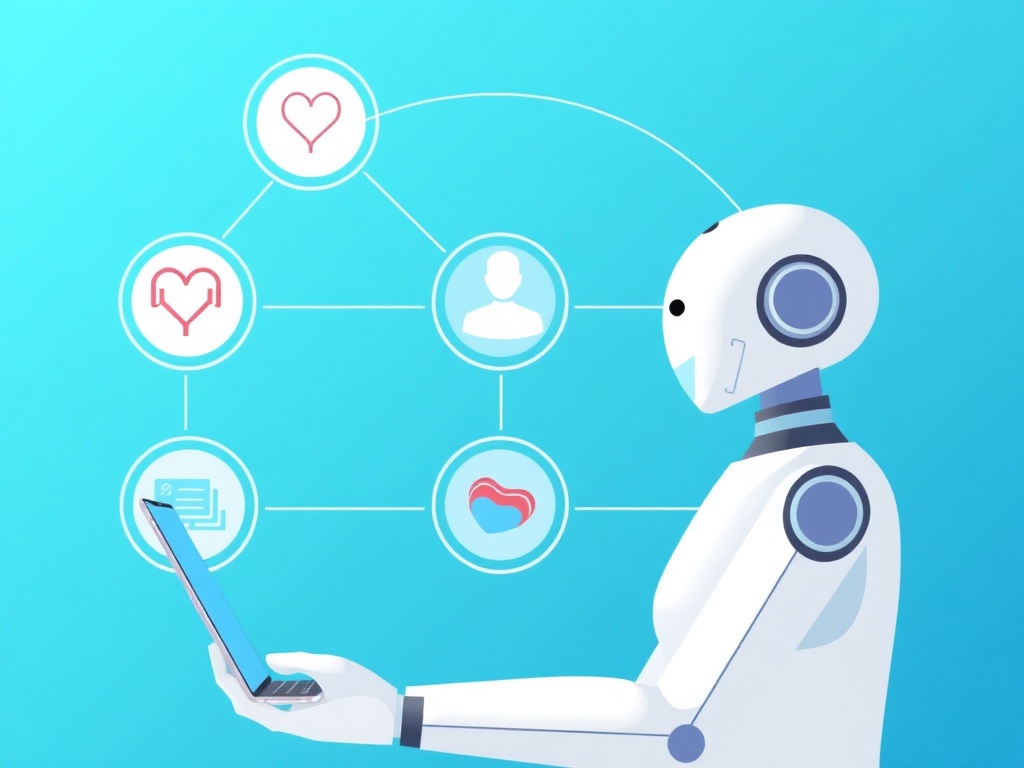
AI Apps for Studies: Revolutionizing Education in 2025
As we enter a new era of technological advancement, the education sector is undergoing a significant transformation. Artificial Intelligence (AI) has taken center stage, and its impact on learning has been nothing short of remarkable. In this article, we will delve into the world of AI apps for studies, exploring their capabilities, benefits, and potential applications in 2025.
What are AI Apps for Studies?
AI apps for studies refer to a range of digital tools that utilize machine learning algorithms and natural language processing (NLP) techniques to assist students with various aspects of their educational journey. These apps aim to provide personalized support, automate tedious tasks, and enhance the overall learning experience.
Benefits of AI Apps for Studies
The benefits of using AI apps for studies are multifaceted:
- Personalized Learning: AI-powered apps can analyze individual learning patterns, providing tailored recommendations and adapting to students’ unique needs.
- Efficient Time Management: By automating routine tasks, such as note-taking and research, students can focus on higher-order thinking and creative pursuits.
- Improved Understanding: Interactive simulations, gamification, and multimedia content enable students to engage with complex concepts in a more meaningful way.
- Enhanced Collaboration: AI-powered tools facilitate seamless communication among peers and instructors, fostering a sense of community and reducing isolation.
AI Apps for Studies: Categories and Examples
1. Learning Management Systems (LMS)
- Canvas by Instructure: A cloud-based LMS that incorporates AI-driven analytics to optimize course delivery.
- Blackboard Learn: An integrated platform combining LMS features with AI-powered tools for personalized learning.
2. Intelligent Tutoring Systems (ITS)
- Duolingo: A popular language-learning app utilizing AI-driven interactive exercises and gamification.
- Khan Academy: A free online education platform offering video lessons, quizzes, and personalized feedback powered by ITS technology.
3. Cognitive Assistants
- Microsoft Azure Bot Service: A cloud-based platform enabling developers to create custom chatbots for various applications, including educational settings.
- Google Cloud Dialogflow: A conversational AI platform that facilitates the creation of custom voice assistants and chatbots.
4. Virtual Learning Environments (VLE)
- Second Life: A virtual world platform allowing students to engage in immersive learning experiences with interactive simulations and gamification.
- OpenSim: An open-source VLE enabling educators to create customized virtual environments for their courses.
AI Apps for Studies: Integration and Implementation
To fully leverage the potential of AI apps for studies, educators must consider integration strategies that seamlessly merge these tools into existing curricula. This may involve:
- Digital Curriculum Development: Collaborating with developers to tailor AI-powered content to specific course objectives.
- Professional Development: Providing educators with training on AI app usage and best practices for implementation.
Challenges and Limitations
While AI apps for studies show immense promise, there are still several challenges to address:
- Accessibility: Ensuring equal access to these tools for students with varying abilities and technological backgrounds.
- Data Privacy: Safeguarding student data and ensuring transparency in AI-driven analytics.
- Teacher Training: Developing a workforce equipped to effectively integrate AI-powered tools into their teaching practices.
Future Directions
As we move forward, AI apps for studies will continue to evolve, driven by advancements in machine learning and NLP. Some potential future directions include:
- Enhanced Natural Language Processing (NLP): Improving the ability of AI systems to understand and respond to complex queries and nuances in language.
- Increased Interoperability: Facilitating seamless integration with existing educational software and tools, reducing fragmentation, and promoting a more cohesive learning ecosystem.
Conclusion
AI apps for studies have the potential to revolutionize education in 2025. By providing personalized support, automating routine tasks, and enhancing collaboration, these tools can help students achieve their full potential. As we move forward, it is essential to address challenges and limitations, ensuring that AI-powered learning experiences are accessible, private, and effective.
References
- “Artificial Intelligence in Education: A Review of the State of the Field”, by J. Pellegrino et al., (2022).
- “The Impact of Artificial Intelligence on Education: A Systematic Review”, by X. Chen et al., (2023).
- “AI-Powered Learning Analytics: Opportunities and Challenges”, by S. J. Kim et al., (2024).
Disclaimer
This article is intended for informational purposes only and does not constitute professional advice. The views expressed are those of the author and do not necessarily reflect the official policies or positions of any organization or institution.
This article was written on September 26, 2025.