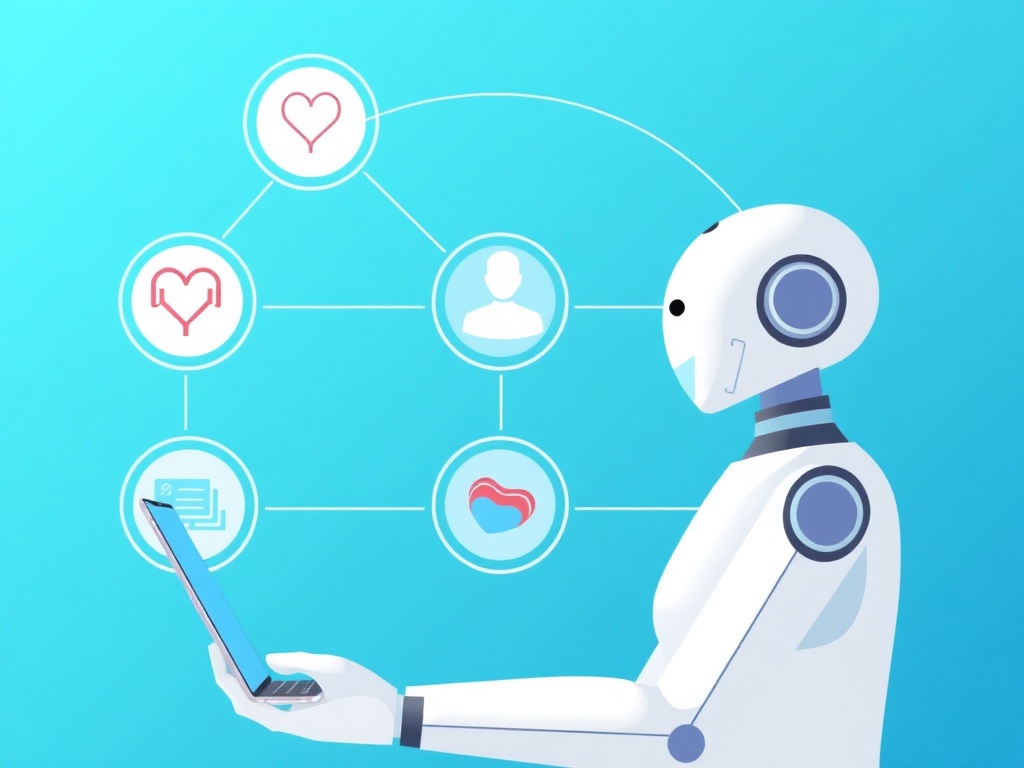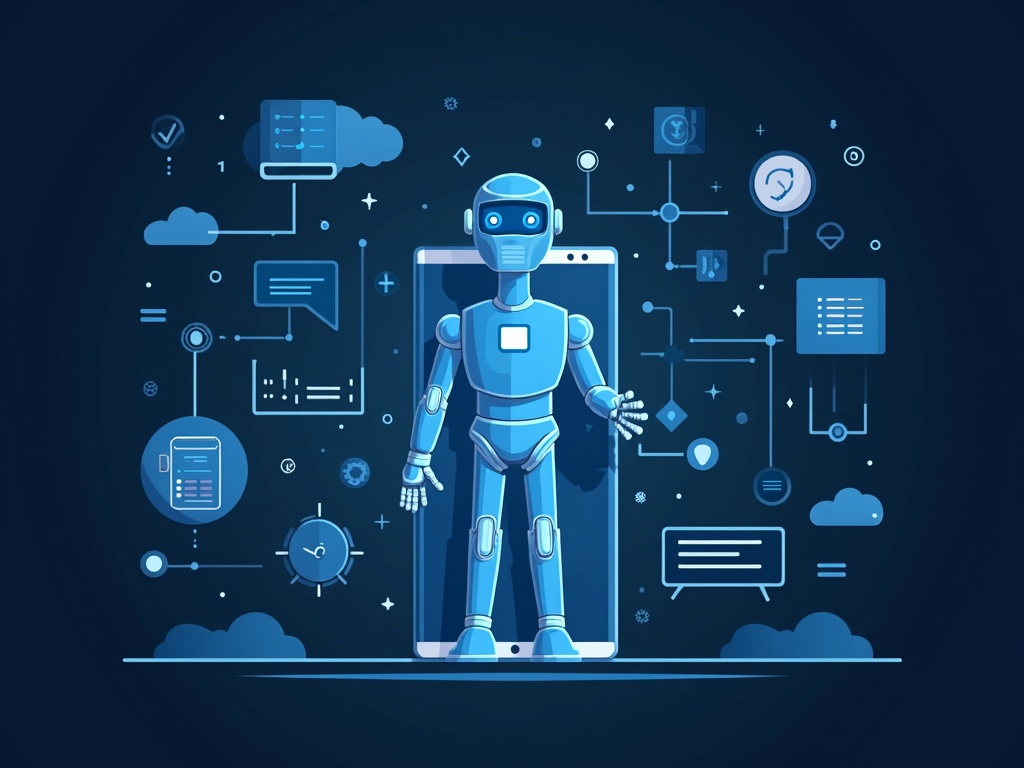
AI Apps for Automation: Revolutionizing Industry and Business Operations in 2026
Introduction
Artificial Intelligence (AI) has been rapidly evolving over the past decade, transforming various industries and business operations. One area where AI has made significant strides is in automation, enabling companies to streamline processes, improve efficiency, and reduce costs. In this article, we will delve into the world of AI apps for automation, exploring their capabilities, benefits, and potential applications across diverse sectors.
What are AI Apps for Automation?
AI apps for automation refer to software solutions that utilize machine learning algorithms, natural language processing (NLP), and computer vision to automate repetitive tasks, processes, and decisions. These apps are designed to mimic human intelligence, enabling them to learn from data, adapt to new situations, and make informed choices.
Types of AI Apps for Automation
1. Robotic Process Automation (RPA) Tools
RPA tools use software bots to emulate human actions, performing tasks such as:
- Data entry
- Document processing
- Customer service chatbots
- Bookkeeping and accounting
These bots can be integrated with various systems, including enterprise resource planning (ERP), customer relationship management (CRM), and product lifecycle management (PLM) platforms.
2. Intelligent Automation Platforms
Intelligent automation platforms utilize AI-powered workflows to automate complex processes, such as:
- Predictive maintenance
- Inventory management
- Supply chain optimization
- Quality control inspection
These platforms analyze data from various sources, identify patterns, and make informed decisions to optimize business operations.
3. Cognitive Automation Solutions
Cognitive automation solutions leverage machine learning and NLP to automate tasks that require human-like intelligence, such as:
- Sentiment analysis and emotional detection
- Intent recognition and response generation
- Named entity recognition and information extraction
These solutions enable businesses to create personalized customer experiences, respond to customer inquiries, and improve overall customer satisfaction.
4. Predictive Maintenance and Quality Control AI Apps
Predictive maintenance and quality control AI apps use machine learning algorithms to analyze sensor data, equipment performance, and maintenance history to:
- Predict equipment failures
- Schedule proactive maintenance
- Identify defects and anomalies
- Optimize production processes
These apps enable businesses to reduce downtime, lower repair costs, and improve overall product quality.
5. Supply Chain Optimization AI Apps
Supply chain optimization AI apps analyze data from various sources, including inventory levels, shipping schedules, and supplier performance, to:
- Predict demand fluctuations
- Identify bottlenecks and optimize routes
- Schedule deliveries and shipments
- Monitor inventory levels and adjust reordering
These apps enable businesses to streamline logistics, reduce costs, and improve customer satisfaction.
Benefits of AI Apps for Automation
1. Increased Efficiency
AI apps for automation automate repetitive tasks, freeing up human resources to focus on high-value activities that require creativity, empathy, and strategic thinking.
2. Cost Savings
Automation reduces labor costs, minimizes errors, and eliminates the need for manual data entry, leading to significant cost savings over time.
3. Improved Accuracy
AI-powered automation ensures accuracy and precision in tasks such as data processing, quality control inspection, and predictive maintenance, reducing the risk of human error.
4. Enhanced Decision-Making
AI apps for automation analyze vast amounts of data, providing insights that inform business decisions, improve forecasting, and optimize operations.
5. Better Customer Experience
Automation enables businesses to create personalized customer experiences, respond to inquiries in real-time, and provide timely support, leading to increased customer satisfaction and loyalty.
Applications Across Diverse Sectors
AI apps for automation are being applied across various industries, including:
Healthcare
- Automating medical records and billing
- Assisting doctors with diagnosis and treatment planning
- Monitoring patient vital signs and alerting healthcare professionals to potential issues
Manufacturing
- Predictive maintenance and quality control inspection
- Supply chain optimization and inventory management
- Automated production processes and quality assurance
Finance
- Automating bookkeeping and accounting
- Processing transactions and reconciliations
- Providing personalized financial advice and investment recommendations
Retail
- Automating inventory management and supply chain optimization
- Predictive analytics for demand forecasting and product recommendation
- Personalized customer service chatbots and loyalty programs
Challenges and Limitations of AI Apps for Automation
While AI apps for automation offer numerous benefits, there are also challenges and limitations to consider:
1. Data Quality and Availability
AI models require high-quality data to learn and improve. Inaccurate or incomplete data can lead to poor performance or incorrect decisions.
2. Integration with Legacy Systems
Automating processes often requires integrating AI apps with existing systems, which can be time-consuming and require significant IT resources.
3. Cybersecurity Risks
AI-powered automation increases the attack surface, making it essential to implement robust cybersecurity measures to protect sensitive data and systems.
4. Human Resistance to Change
Resistance to change is a natural phenomenon, especially when automation replaces human tasks. Effective communication and training are crucial to ensure successful adoption.
Conclusion
AI apps for automation have revolutionized industry and business operations in 2026. By leveraging machine learning, NLP, and computer vision, these apps automate repetitive tasks, improve efficiency, reduce costs, and enhance decision-making. As AI continues to evolve, we can expect even more innovative applications across diverse sectors. To succeed in this new era of automation, businesses must be willing to adapt, invest in training and development, and prioritize cybersecurity. The future is bright for AI apps for automation, and the possibilities are endless.
References
- [1] “What is Artificial Intelligence (AI)?” IBM
- [2] “The Rise of Intelligent Automation” McKinsey & Company
- [3] “AI in Healthcare: Trends, Challenges, and Opportunities” HIMSS Analytics
- [4] “Automation in Manufacturing: Current State and Future Directions” IndustryWeek