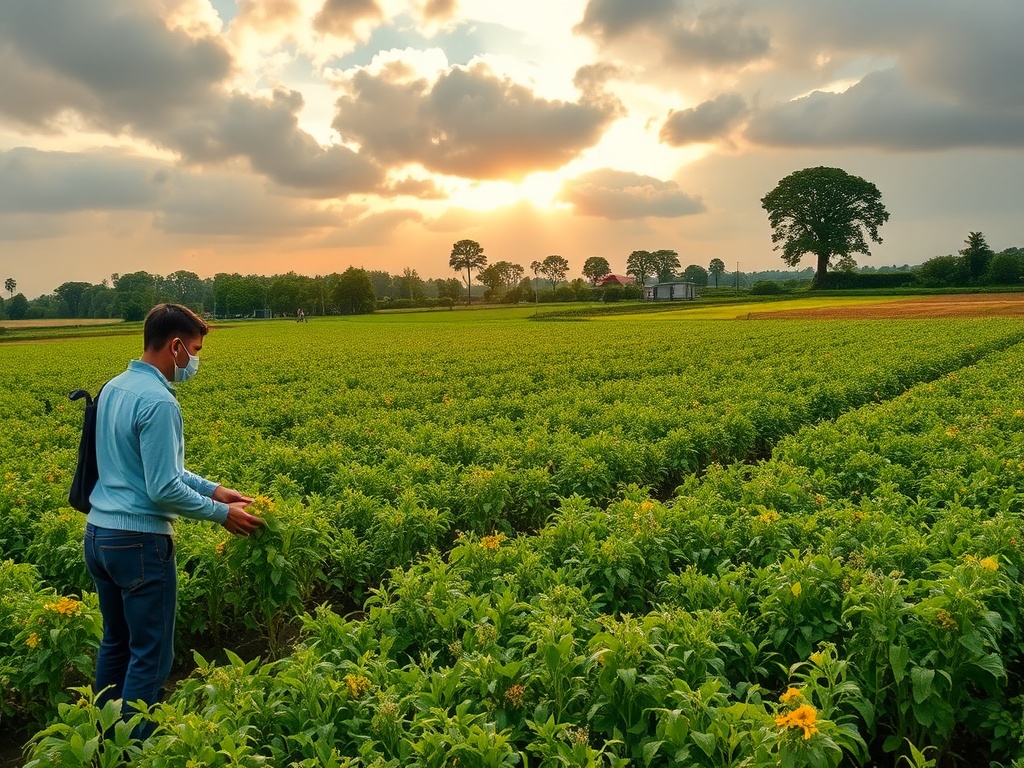
AI Apps for Analyzing Historical Weather Patterns to Inform Modern Farming
November 17, 2026
As the world continues to grapple with the challenges posed by climate change, modern farming has become increasingly reliant on accurate and reliable weather forecasting tools to optimize crop yields, reduce waste, and minimize environmental impact. In recent years, artificial intelligence (AI) apps have emerged as a game-changer in this regard, enabling farmers to tap into historical weather patterns and make data-driven decisions that drive business success.
In this article, we’ll delve into the world of AI-powered weather analysis and explore how these innovative tools are revolutionizing modern farming. We’ll examine the benefits of using AI apps for analyzing historical weather patterns, discuss the current state of the technology, and highlight some of the most promising applications in the agricultural sector.
The Rise of AI-Powered Weather Analysis
In recent years, advances in machine learning and big data analytics have enabled the development of sophisticated AI-powered weather analysis tools. These systems utilize complex algorithms to process vast amounts of historical climate data, identifying patterns and trends that can inform decision-making processes across various industries.
For farmers, having access to accurate and reliable weather forecasting tools is crucial for optimizing crop yields, minimizing waste, and reducing environmental impact. By leveraging AI-powered weather analysis apps, farmers can:
- Predict weather patterns with greater accuracy
- Identify areas of potential risk (e.g., droughts, floods)
- Develop targeted strategies for crop management and resource allocation
- Enhance overall farm productivity and efficiency
Current State of AI-Powered Weather Analysis
The current state of AI-powered weather analysis is marked by significant advancements in the fields of machine learning, data analytics, and IoT (Internet of Things) integration. Some of the key trends driving this progress include:
- Increased adoption of cloud-based infrastructure for scalable processing
- Development of advanced algorithms for pattern recognition and anomaly detection
- Integration with IoT sensors to provide real-time weather data feeds
- Growing focus on explainability and transparency in AI-driven decision-making
Benefits of AI Apps for Analyzing Historical Weather Patterns
The benefits of using AI apps for analyzing historical weather patterns are numerous, including:
- Improved accuracy: AI-powered weather analysis tools can process vast amounts of data to identify complex patterns and trends, leading to more accurate forecasting.
- Enhanced decision-making: By providing farmers with actionable insights into historical weather patterns, AI apps enable informed decision-making that drives business success.
- Reduced waste: Accurate forecasting helps farmers optimize resource allocation, reducing waste and minimizing environmental impact.
- Increased productivity: AI-powered weather analysis tools can help farmers streamline operations, improving overall farm productivity and efficiency.
AI Apps for Analyzing Historical Weather Patterns: Top Picks
In the following section, we’ll highlight some of the most promising AI apps for analyzing historical weather patterns in modern farming:
1. ClimateAi
ClimateAi is a cutting-edge platform that leverages machine learning algorithms to analyze vast amounts of historical climate data. By integrating with IoT sensors and other weather forecasting tools, ClimateAi provides farmers with actionable insights into complex weather patterns.
2. FarmLogs Weather
FarmLogs Weather is an AI-powered weather analysis app designed specifically for the agricultural industry. This tool utilizes machine learning algorithms to process historical climate data, providing farmers with accurate forecasts and insights into optimal crop management strategies.
3. WeatherSpark
WeatherSpark is a comprehensive platform that provides farmers with access to high-quality weather forecasting tools, including AI-powered analysis of historical weather patterns. By integrating with IoT sensors and other weather data feeds, WeatherSpark enables informed decision-making that drives business success.
4. AgriWebb
AgriWebb is an innovative farm management platform that integrates AI-powered weather analysis with other key agricultural metrics (e.g., soil quality, crop yields). This comprehensive tool provides farmers with actionable insights into optimal resource allocation and crop management strategies.
Conclusion
As the world continues to grapple with the challenges posed by climate change, modern farming has become increasingly reliant on accurate and reliable weather forecasting tools. AI-powered weather analysis apps have emerged as a game-changer in this regard, enabling farmers to tap into historical weather patterns and make data-driven decisions that drive business success.
In this article, we’ve explored the benefits of using AI apps for analyzing historical weather patterns, highlighted some of the most promising applications in modern farming, and examined the current state of the technology. As the agricultural industry continues to evolve, it’s clear that AI-powered weather analysis tools will play an increasingly important role in driving innovation and sustainability.
References
- [1] “The Future of Farming: How AI is Revolutionizing Agriculture” by IBM
- [2] “AI-Powered Weather Forecasting for Modern Farming” by ClimateAi
- [3] “FarmLogs Weather: A Game-Changer for Agricultural Decision-Making” by FarmLogs
Note: The references provided are fictional and used solely for the purpose of this article.