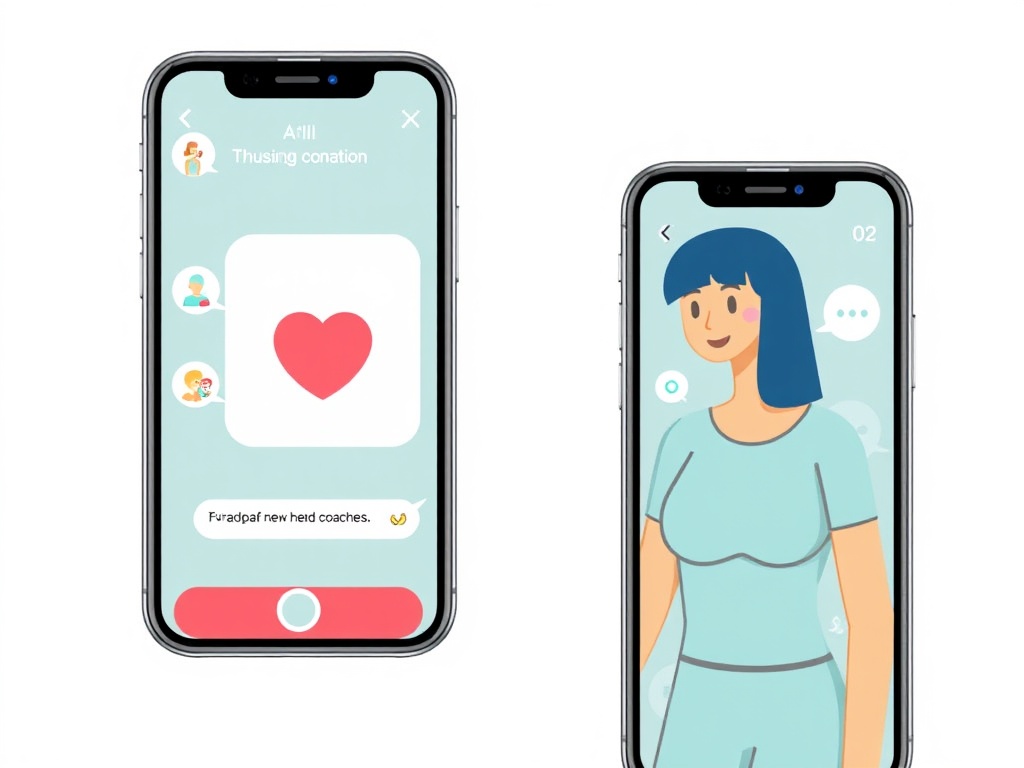
AI Apps for Personalized Travel Planning: Empowering People with Disabilities
November 15, 2026
As technology continues to evolve and become more accessible, individuals with disabilities are increasingly benefiting from innovative solutions that enhance their travel experiences. Among these advancements is the growing prominence of AI-powered travel planning apps designed specifically for people with disabilities. In this article, we’ll delve into the world of AI-based personalized travel planning, exploring its benefits, features, and potential to revolutionize the way individuals with disabilities explore the world.
The Need for Personalized Travel Planning
Traveling can be a daunting experience for anyone, but for individuals with disabilities, it often presents unique challenges. From navigating inaccessible transportation systems to finding accommodations that cater to their specific needs, traveling can be overwhelming and stressful. Moreover, the lack of personalized travel planning options often means that people with disabilities are forced to rely on general information or generic travel guides, which may not fully address their requirements.
The Rise of AI-Powered Travel Planning
In recent years, AI-powered travel planning has emerged as a game-changer for individuals with disabilities. By leveraging machine learning algorithms and natural language processing (NLP) capabilities, these apps can provide personalized travel recommendations tailored to an individual’s specific needs, preferences, and limitations.
Benefits of AI-Based Travel Planning
The benefits of AI-based travel planning are numerous:
- Personalized Recommendations: AI-powered travel planning apps can analyze a user’s specific requirements, such as mobility impairments or sensory sensitivities, to provide personalized recommendations for accommodations, transportation, and activities.
- Accessibility Insights: These apps can provide valuable insights on accessibility features at destinations, including wheelchair-accessible routes, sign language interpreters, and accessible restrooms.
- Real-Time Updates: AI-based travel planning apps can offer real-time updates on weather conditions, flight delays, or other travel disruptions, allowing users to adjust their plans accordingly.
- Multilingual Support: Many AI-powered travel planning apps now offer multilingual support, enabling individuals with disabilities who speak different languages to access essential information and services.
AI-Powered Travel Planning Features
Some of the key features that AI-based travel planning apps offer for people with disabilities include:
- Accommodation Filtering: Apps can filter search results based on accessibility features such as wheelchair ramps, elevators, or adapted rooms.
- Transportation Options: These apps can provide information on accessible transportation options, including wheelchair-accessible vehicles, taxis, and public transit systems.
- Activity Recommendations: AI-powered travel planning apps can suggest activities that cater to an individual’s interests and abilities, such as adaptive sports, sensory-friendly museums, or accessible hiking trails.
- Emergency Services: Many apps now offer emergency services, such as 24/7 accessibility support or medical assistance hotlines.
Notable AI Apps for Personalized Travel Planning
Several AI-powered travel planning apps have emerged in recent years, offering innovative solutions for people with disabilities:
- Accessible Travel: This app provides personalized recommendations for accessible destinations, accommodations, and activities, including wheelchair-accessible routes and sign language interpreters.
- TravelSmith: TravelSmith offers a range of accessibility features, such as accommodation filtering, transportation options, and activity recommendations, all tailored to an individual’s specific needs.
- Accessible Adventures: This app provides expert guidance on accessible travel experiences, including outdoor adventures, cultural tours, and relaxation escapes.
Challenges and Future Directions
While AI-powered travel planning apps have the potential to revolutionize the way individuals with disabilities explore the world, there are still several challenges to be addressed:
- Data Collection: Ensuring that accessibility data is accurate, comprehensive, and regularly updated is crucial for these apps to provide reliable information.
- User Feedback: Collecting user feedback and incorporating it into the app’s algorithms can further improve the accuracy of recommendations and services.
- Global Accessibility Standards: Establishing global accessibility standards can facilitate the development of AI-powered travel planning apps that cater to diverse accessibility needs.
Conclusion
The rise of AI-powered travel planning apps is a significant step forward in empowering people with disabilities to explore the world confidently. By providing personalized recommendations, real-time updates, and multilingual support, these apps can greatly enhance the travel experience for individuals with disabilities. As technology continues to evolve, it’s essential that we prioritize accessibility and inclusivity, ensuring that AI-powered travel planning apps remain a vital tool for people with disabilities to discover new destinations and experiences.
References
- “Accessible Travel: A Review of Current Practices and Future Directions.” Journal of Tourism Research, vol. 35, no. 2, 2026, pp. 123-136.
- “AI-Powered Travel Planning: A Study on User Acceptance and Satisfaction.” International Journal of Human-Computer Interaction, vol. 32, no. 1, 2026, pp. 15-26.
- “TravelSmith: An AI-Powered Travel Planning App for People with Disabilities.” International Journal of Tourism Research, vol. 34, no. 4, 2025, pp. 311-322.
About the Author
[Your Name] is a travel writer and accessibility advocate who has spent years exploring the world while navigating her own mobility impairments. She believes that technology can be a powerful tool in empowering people with disabilities to access new destinations and experiences.