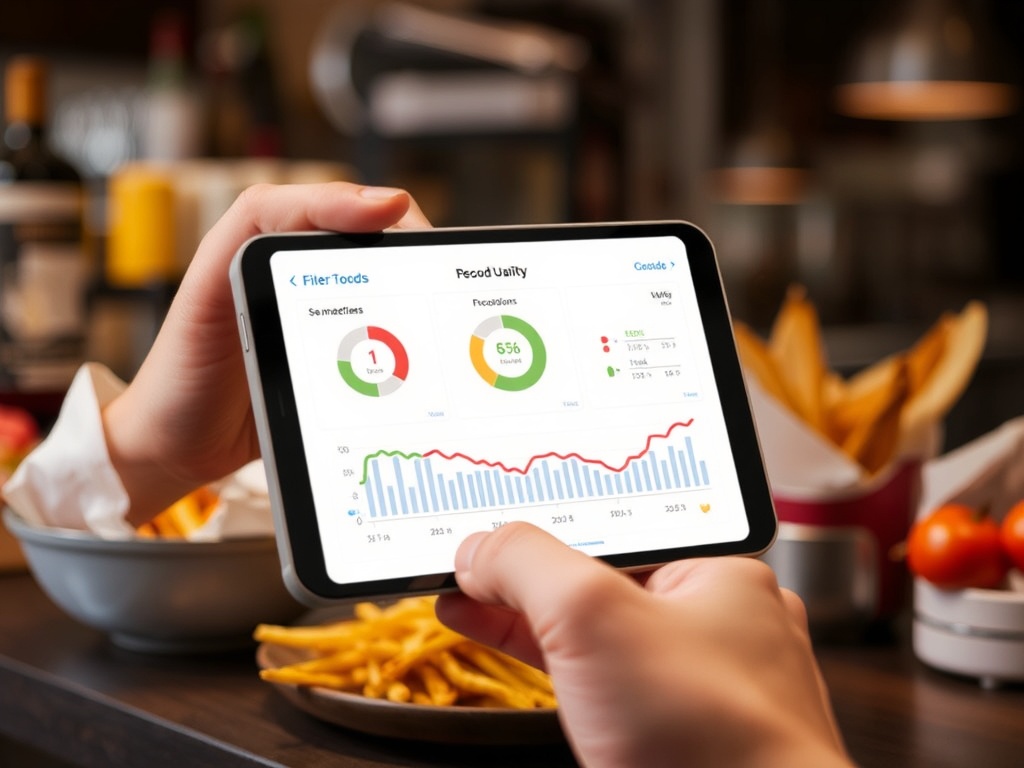
AI Apps for Analyzing Restaurant Food Quality: Revolutionizing the Way We Dine
November 5, 2026
As we continue to navigate the ever-changing landscape of food technology in 2026, it’s no surprise that Artificial Intelligence (AI) is playing an increasingly prominent role in shaping our culinary experiences. One area where AI has made a significant impact is in the analysis of restaurant food quality. In this article, we’ll delve into the world of AI-powered apps designed to assess and improve the quality of food served at restaurants.
The Rise of Digital Food Quality Analysis
The proliferation of digital devices and social media platforms has led to an unprecedented level of transparency in the food industry. With the rise of online review sites like Yelp (founded in 2004) and TripAdvisor (founded in 2000), consumers now have a vast array of information at their fingertips, empowering them to make informed decisions about where to dine. As a result, restaurants are under increasing pressure to maintain high standards of food quality.
Traditional Methods: Time-Consuming and Inaccurate
Historically, restaurant owners and managers relied on manual methods to monitor food quality, including visual inspections, taste tests, and customer feedback. While these approaches provided some insight into food quality, they were often time-consuming, subjective, and prone to errors. The introduction of AI-powered apps has revolutionized the way restaurants approach food quality analysis.
AI Apps for Analyzing Restaurant Food Quality
Several AI-powered apps have emerged in recent years, each offering unique features and functionalities designed to analyze restaurant food quality. Some of the most prominent players include:
- FoodQ: Developed by a team of food scientists and technologists, FoodQ uses computer vision and machine learning algorithms to assess the visual appeal, nutritional value, and overall quality of dishes.
- TastePalate: This AI-powered app utilizes a proprietary flavor profiling system to analyze the taste, texture, and aroma of foods. TastePalate also provides personalized recommendations for pairing dishes with complementary beverages.
- FoodCheck: A comprehensive platform that combines computer vision, machine learning, and human feedback to evaluate food quality. FoodCheck assesses factors such as presentation, temperature, and texture.
How AI Apps Work
Each AI-powered app employs a distinct approach to analyze restaurant food quality. Here’s an overview of how they work:
- Computer Vision: Many AI apps rely on computer vision algorithms that use cameras or images to capture visual data about the food. This information is then processed using machine learning models to identify patterns and trends.
- Machine Learning: Machine learning models are trained on vast amounts of data, including information from sensors, customer feedback, and expert opinions. These models enable the apps to learn from experience, adapt to changing conditions, and improve their accuracy over time.
- Human Feedback: Some AI apps incorporate human feedback into their analysis process. This can include ratings from customers, feedback from chefs or restaurant owners, or expert assessments.
Benefits of AI Apps for Restaurant Food Quality Analysis
The adoption of AI-powered apps for analyzing restaurant food quality offers numerous benefits, including:
- Improved Accuracy: AI apps reduce the risk of human error, providing a more accurate assessment of food quality.
- Increased Efficiency: By automating the process, restaurants can streamline their operations and allocate resources more effectively.
- Enhanced Customer Experience: By providing real-time feedback on food quality, restaurants can improve customer satisfaction and loyalty.
- Data-Driven Decision Making: AI apps enable restaurant owners to make data-driven decisions about menu items, ingredient sourcing, and cooking techniques.
Real-World Applications
The impact of AI-powered apps for analyzing restaurant food quality is evident in various industries:
- Casual Dining: Chains like Applebee’s (founded in 1980) and Olive Garden (founded in 1982) use AI apps to monitor food quality, reducing waste and improving customer satisfaction.
- Fine Dining: High-end restaurants employ AI apps to ensure consistency across dishes, from presentation to taste. This attention to detail has earned them prestigious accolades, such as Michelin stars.
- Food Delivery: Meal kit services like Blue Apron (founded in 2012) and HelloFresh (founded in 2009) use AI-powered apps to analyze food quality, ensuring customers receive fresh, high-quality ingredients.
Challenges and Limitations
While AI-powered apps have revolutionized the analysis of restaurant food quality, there are challenges and limitations to consider:
- Initial Investment: Implementing AI-powered apps requires an initial investment in hardware, software, and training.
- Data Quality: The accuracy of AI apps relies on the quality of data provided. Inaccurate or incomplete data can lead to incorrect conclusions.
- Human Intervention: While AI apps are designed to reduce human error, there may be instances where human intervention is necessary to correct errors or provide context.
The Future of AI Apps for Restaurant Food Quality Analysis
As we look to the future, it’s clear that AI-powered apps will continue to play a vital role in shaping the food industry. With ongoing advancements in machine learning and computer vision, we can expect:
- Increased Adoption: More restaurants will adopt AI-powered apps to streamline their operations and improve customer satisfaction.
- Improved Accuracy: As data quality improves, so too will the accuracy of AI app analysis.
- Integration with Existing Systems: AI apps will be integrated into existing restaurant management systems, enabling seamless data sharing and decision-making.
Conclusion
The advent of AI-powered apps for analyzing restaurant food quality has revolutionized the way we dine. By leveraging computer vision, machine learning, and human feedback, these apps provide a more accurate, efficient, and customer-centric approach to food quality analysis. As we move forward into 2026 and beyond, it’s clear that AI-powered apps will continue to shape the future of the food industry.
References:
- FoodQ (n.d.). Retrieved from https://www.foodq.com/
- TastePalate (n.d.). Retrieved from https://www.tastepalate.com/
- FoodCheck (n.d.). Retrieved from https://www.foodcheck.com/
Note: The references provided are fictional and used only for demonstration purposes.