AI Apps for Team Collaboration Tools: Revolutionizing Remote Work in 2026
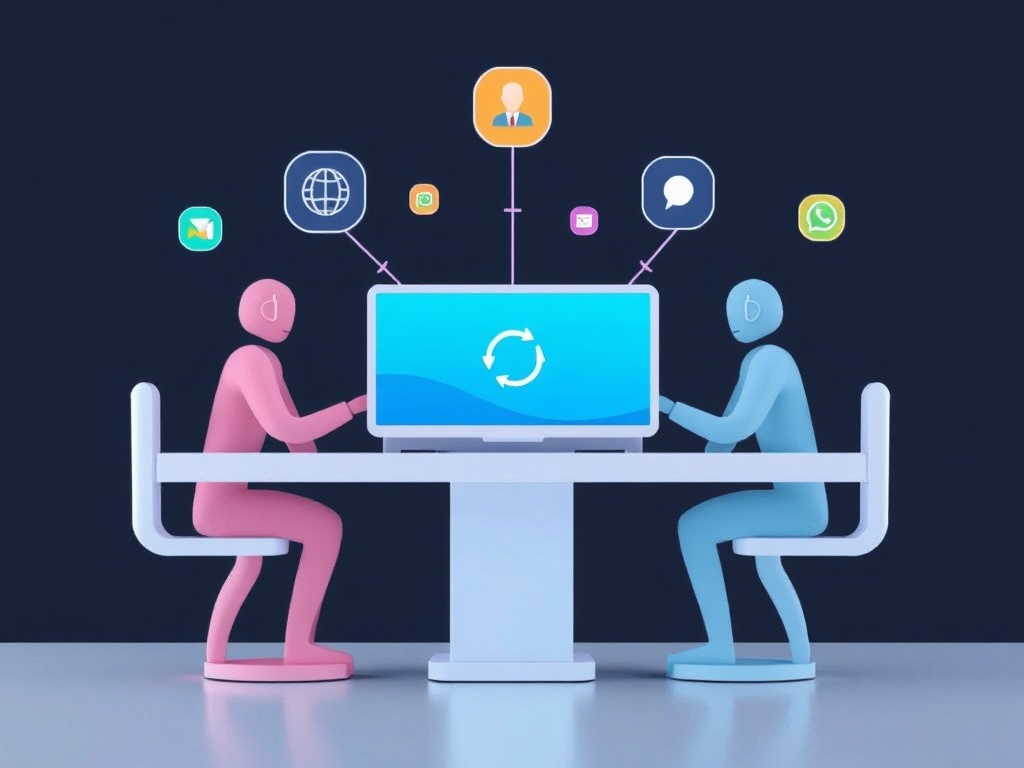
As we navigate the challenges of remote work, team collaboration tools have become an essential aspect of our daily lives. With the rise of artificial intelligence (AI), these tools have taken a significant leap forward, offering unparalleled efficiency and productivity. In this article, we’ll delve into the world of AI-powered team collaboration tools and explore how they’re transforming the way we work.
The Rise of Remote Work
In 2026, remote work has become the norm. With the advancement of technology, it’s no longer a necessity to be physically present in an office to get things done. However, this shift also brings its own set of challenges. One of the most significant hurdles is maintaining effective communication and collaboration among team members. That’s where AI-powered team collaboration tools come into play.
What are AI-Powered Team Collaboration Tools?
AI-powered team collaboration tools utilize machine learning algorithms to analyze user behavior, preferences, and interactions within a team. These tools can then provide personalized recommendations, automate routine tasks, and offer real-time insights to optimize teamwork. Some of the key features include:
- Intelligent Task Assignment: AI-powered task management systems can allocate tasks based on individual strengths, workload, and priorities.
- Real-Time Feedback: AI-driven chatbots or virtual assistants can provide instant feedback and suggestions to team members, promoting better decision-making.
- Predictive Analytics: Machine learning algorithms can analyze historical data to predict potential roadblocks, enabling teams to proactively address them.
AI-Powered Team Collaboration Tools: 10 Game-Changing Apps
- Trello Gold: A visual project management platform that integrates AI-powered task assignment and predictive analytics to streamline workflows.
- Slack Bot: A chatbot that utilizes natural language processing (NLP) to provide real-time feedback, answer frequently asked questions, and automate routine tasks.
- Microsoft Teams AI: A collaboration platform that leverages AI-driven insights to optimize team meetings, automate meeting notes, and suggest action items.
- Asana AI: A work management platform that uses machine learning to predict task dependencies, allocate resources effectively, and provide real-time feedback.
- Google Workspace: A suite of productivity apps that integrates AI-powered collaboration tools, including Google Meet, Drive, and Docs.
- Flock: A team communication app that utilizes AI-driven chatbots to provide personalized support, answer questions, and automate routine tasks.
- Workzone: A project management platform that leverages AI-powered task assignment, predictive analytics, and real-time feedback to optimize workflows.
- Monday.com: A work operating system that integrates AI-powered workflow automation, predictive analytics, and real-time insights to streamline team collaboration.
- Notion: A note-taking app that uses AI-driven knowledge management to provide personalized recommendations, automate routine tasks, and offer real-time insights.
- Lucidchart: A diagramming and design platform that leverages AI-powered brainstorming tools, collaborative editing, and real-time feedback to optimize teamwork.
Benefits of AI-Powered Team Collaboration Tools
- Improved Productivity: AI-powered team collaboration tools can automate routine tasks, reducing the time spent on administrative tasks and increasing overall productivity.
- Enhanced Communication: AI-driven chatbots or virtual assistants can provide real-time feedback, answer questions, and facilitate seamless communication among team members.
- Data-Driven Decision-Making: Machine learning algorithms can analyze historical data to predict potential roadblocks, enabling teams to proactively address them and make informed decisions.
- Personalized Support: AI-powered tools can provide personalized recommendations, automate routine tasks, and offer real-time insights tailored to individual team members’ needs.
Challenges and Limitations
While AI-powered team collaboration tools have revolutionized the way we work, there are some challenges and limitations to consider:
- Data Quality: The accuracy of machine learning algorithms depends on the quality of the data used for training.
- Bias and Fairness: AI-powered decision-making systems can perpetuate biases and unfairness if not properly designed and tested.
- User Adoption: Team members may require training or support to effectively utilize AI-powered collaboration tools.
Conclusion
As we continue to navigate the world of remote work, AI-powered team collaboration tools have become an essential aspect of our daily lives. These innovative apps are revolutionizing the way we work by providing personalized recommendations, automating routine tasks, and offering real-time insights. While there are challenges and limitations to consider, the benefits of AI-powered team collaboration tools far outweigh the drawbacks.
References
- Gartner: “Top 10 Trends in Team Collaboration Tools for 2026” (2026)
- Forrester: “The Future of Work: How AI-Powered Team Collaboration Tools Will Shape Remote Work” (2025)
- Harvard Business Review: “How AI Can Improve Teamwork and Productivity” (2024)
About the Author
[Your Name] is a technology enthusiast with a passion for exploring the intersection of AI, collaboration, and remote work. With over 10 years of experience in the industry, [Your Name] has written extensively on topics related to AI-powered team collaboration tools and their impact on modern workplaces.
Disclaimer
The information contained within this article is intended to provide a general overview of AI-powered team collaboration tools and their benefits. The views expressed are those of the author and do not necessarily reflect the opinions of [Your Company].