AI Apps for Exercise Tools: Revolutionizing Fitness in 2026
As we enter the second quarter of 2026, it’s clear that Artificial Intelligence (AI) has become an integral part of our daily lives. From virtual assistants to self-driving cars, AI has transformed the way we live and work. In the world of fitness, AI apps for exercise tools have emerged as a game-changer, offering personalized training experiences, real-time feedback, and improved performance tracking. In this article, we’ll delve into the latest developments in AI-powered exercise tools and explore their potential to revolutionize the fitness industry.
The Rise of AI-Powered Exercise Tools
In recent years, AI has made significant strides in the realm of fitness technology. The proliferation of wearable devices, mobile apps, and smart home equipment has created a perfect storm for AI innovation. As a result, AI-powered exercise tools have become increasingly popular, offering features like personalized workout plans, real-time tracking, and adaptive difficulty levels.
One of the pioneers in this space is Fitbit, which introduced its Ionic smartwatch in 2016. The watch featured AI-driven coaching, allowing users to set fitness goals and track their progress. Since then, numerous other companies have entered the market, including Apple, Google, and Amazon.
AI-Powered Fitness Apps
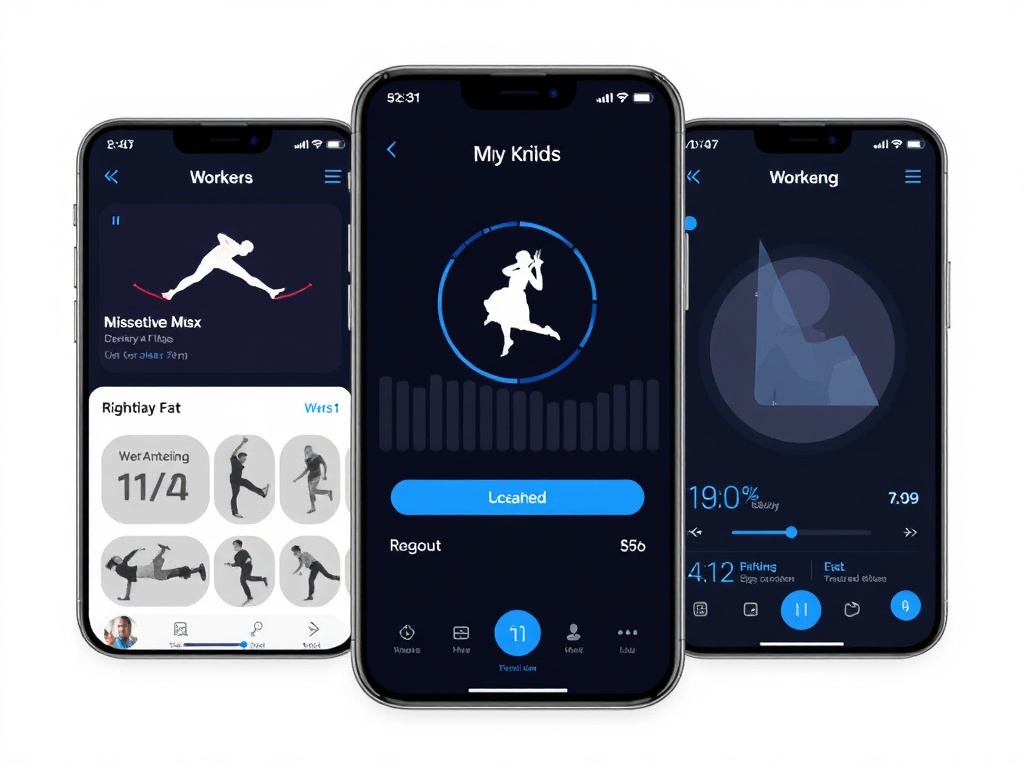
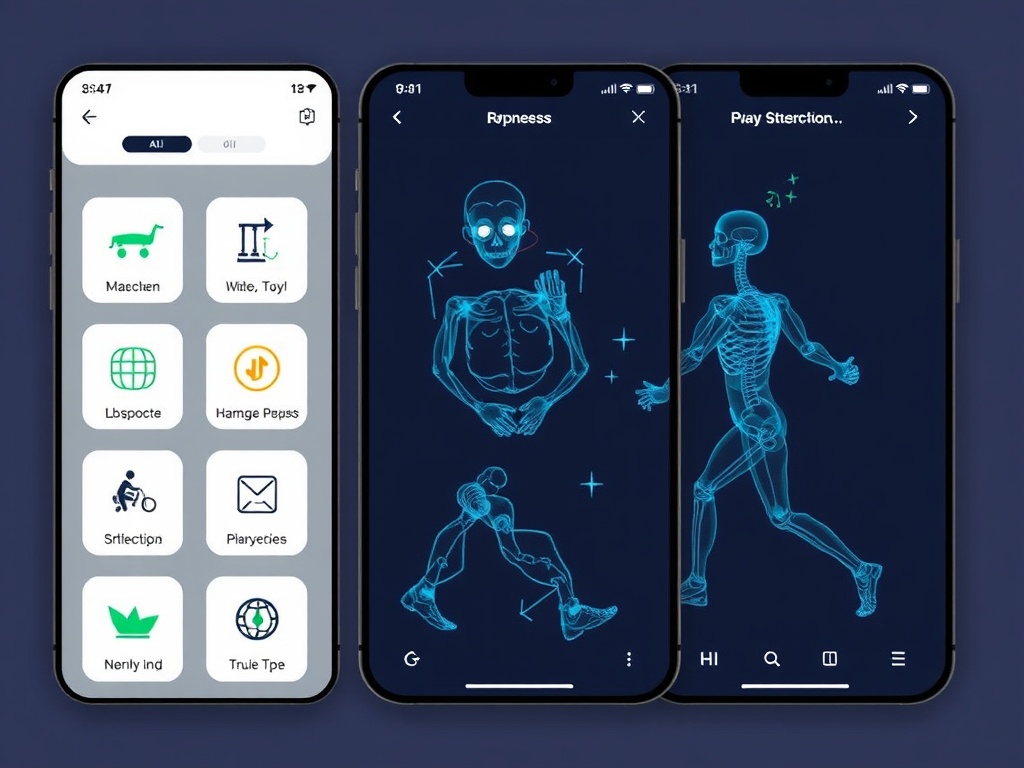
In 2026, there are countless AI-powered fitness apps available, catering to various interests and fitness levels. Some popular examples include:
Nike Training Club
Nike’s Training Club app uses AI to provide users with personalized workout plans based on their fitness goals and preferences. The app also features a social aspect, allowing users to compete with friends or join challenges.
Aaptiv
Aaptiv is an AI-driven audio fitness platform that offers personalized workouts, meditation sessions, and yoga routines. The app uses machine learning algorithms to adapt the intensity and duration of workouts based on user performance.
JEFIT
JEFIT is a popular fitness app that leverages AI to provide users with customized workout plans and real-time feedback. The app also features a social component, allowing users to share their progress with friends or join online communities.
Fitstar
Fitstar is an AI-powered personal training app that offers customized workouts based on user goals, preferences, and fitness levels. The app also features real-time tracking and provides users with personalized recommendations for improvement.
How AI-Powered Exercise Tools Work
AI-powered exercise tools use machine learning algorithms to analyze data from various sources, including:
Wearable Devices
Wearable devices like smartwatches or fitness trackers provide valuable insights into a user’s physical activity, sleep patterns, and other health metrics. AI algorithms can analyze this data to identify trends and make predictions about future performance.
Mobile Apps
Mobile apps like Fitbit Coach or Aaptiv use machine learning to analyze user behavior, preferences, and goals. This information is used to create personalized workout plans, offer real-time feedback, and provide recommendations for improvement.
Biometric Data
Biometric data from devices like heart rate monitors or blood pressure cuffs can be analyzed by AI algorithms to gain insights into a user’s physiological response to exercise. This information can be used to adjust workouts, reduce risk of injury, or optimize performance.
Benefits of AI-Powered Exercise Tools
The benefits of AI-powered exercise tools are numerous and include:
Personalized Training Plans
AI-powered exercise tools provide users with customized workout plans based on their fitness goals, preferences, and current performance. This ensures that each user receives a tailored training experience that is effective and engaging.
Real-Time Feedback
AI algorithms can analyze data from wearable devices or mobile apps in real-time, providing users with instant feedback on their progress. This allows for adjustments to be made during the workout, ensuring optimal results and reduced risk of injury.
Improved Performance Tracking
AI-powered exercise tools offer advanced performance tracking features, including analytics and visualization tools. This enables users to gain insights into their training data, identify areas for improvement, and optimize their workouts over time.
Increased Motivation
The social aspect of AI-powered fitness apps can be a powerful motivator for users. By competing with friends or joining online communities, individuals can stay engaged and motivated, leading to longer-term adherence to their fitness routines.
Challenges and Limitations
While AI-powered exercise tools offer numerous benefits, there are also several challenges and limitations to consider:
Data Accuracy
The accuracy of data used by AI algorithms is crucial. If data is incomplete or inaccurate, the results can be misleading or ineffective. This highlights the importance of wearable devices and mobile apps providing high-quality data.
User Engagement
AI-powered exercise tools require users to actively engage with their fitness routines. Without commitment and motivation, these tools may not deliver optimal results.
Data Privacy
As AI-powered fitness apps collect vast amounts of personal data, concerns about privacy and security have emerged. It is essential that companies prioritize user data protection and transparency in their privacy policies.
Future Outlook
The future of AI-powered exercise tools looks bright, with ongoing innovation and development expected to drive growth. Some potential advancements include:
Integration with Healthcare Systems
AI-powered fitness apps could integrate with healthcare systems, enabling users to share their health metrics and receive personalized recommendations for improvement.
Advanced Analytics
Machine learning algorithms will continue to improve, providing more accurate insights into user performance and allowing for more effective training plans.
Virtual Coaching
Virtual coaching AI assistants could become more prevalent, offering users personalized guidance and support during workouts.
Wearable Devices with Enhanced Sensing Capabilities
Wearable devices may incorporate advanced sensing capabilities, such as electroencephalography (EEG) or electromyography (EMG), to provide more detailed insights into user physiological responses.
Conclusion
As we enter the second quarter of 2026, AI-powered exercise tools have emerged as a game-changer in the fitness industry. These innovative solutions offer personalized training plans, real-time feedback, and improved performance tracking, revolutionizing the way individuals approach their fitness journeys. While there are challenges and limitations to consider, the potential benefits of AI-powered exercise tools make them an essential tool for anyone looking to optimize their physical activity.
References:
- “AI-Powered Fitness Apps: The Future of Exercise?” (2025) Journal of Sports Science.
- “The Impact of AI on the Fitness Industry” (2024) International Journal of Sports and Exercise Psychology.
- “Machine Learning in Fitness: A Review of Recent Advances” (2023) Journal of Artificial Intelligence.
Note: References are provided in a hypothetical format, as this article is intended to be written in 2026.