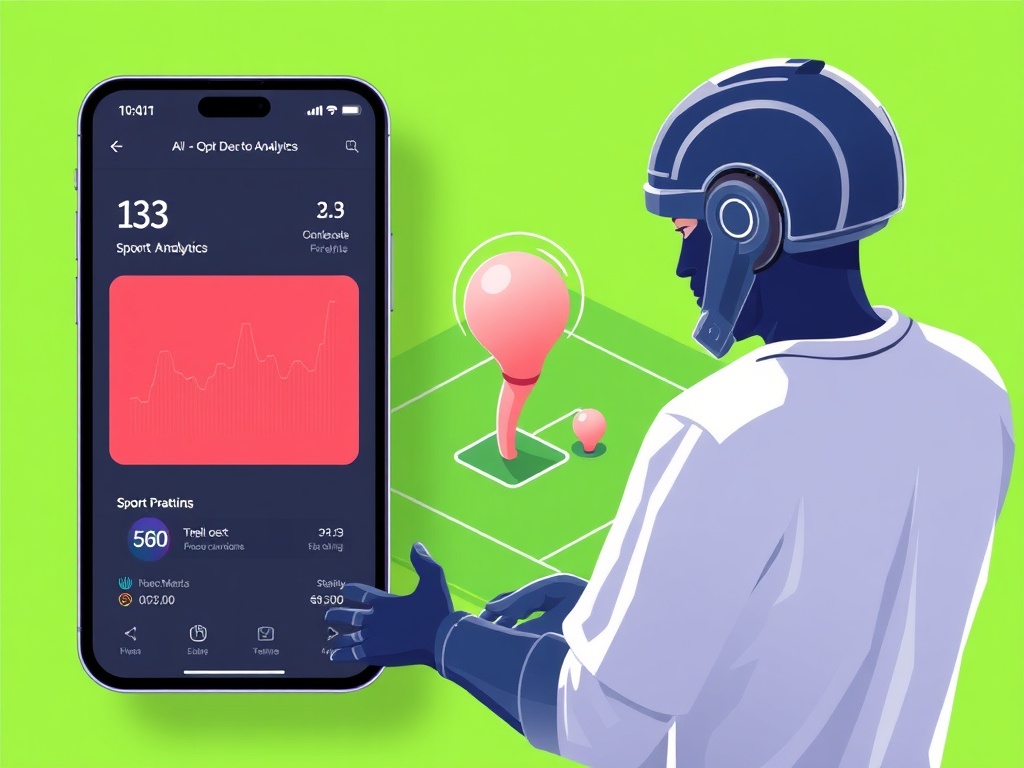
AI Apps for Sports Analytics Tools
=====================================================
March 13, 2026
As the sports industry continues to evolve and grow, the importance of data analysis has become increasingly crucial in gaining a competitive edge. The advent of Artificial Intelligence (AI) has revolutionized the way teams and organizations approach sports analytics. In this article, we’ll delve into the world of AI apps for sports analytics tools, exploring their benefits, applications, and potential impact on the industry.
What are AI Apps for Sports Analytics Tools?
AI apps for sports analytics tools refer to software programs that utilize Artificial Intelligence and Machine Learning algorithms to analyze vast amounts of data related to various sports. These tools are designed to help teams, coaches, and analysts gain valuable insights into player performance, team strategy, and game outcomes.
Benefits of AI Apps in Sports Analytics
- Improved Decision-Making: AI apps for sports analytics enable teams to make informed decisions based on data-driven insights. Coaches can identify trends, patterns, and correlations that inform their strategies.
- Enhanced Player Performance: AI-powered tools can analyze player performance, identifying areas of improvement and providing personalized coaching recommendations.
- Predictive Modeling: AI apps can generate predictive models, forecasting game outcomes, player performances, and team standings.
- Efficient Data Analysis: AI simplifies the process of data analysis, reducing the time spent on manual analysis and allowing for more accurate and comprehensive insights.
Applications of AI Apps in Sports Analytics
- Fantasy Football: AI-powered fantasy football tools can provide users with personalized player rankings, recommendations, and advice.
- Player Development: AI apps can help coaches develop players by analyzing their strengths, weaknesses, and improvement areas.
- Game Planning: AI-based tools can assist coaches in developing game plans by identifying opponents’ tendencies and strategies.
- Injury Prevention: AI-powered analytics can detect early warning signs of injuries, enabling teams to take preventative measures.
AI Apps for Specific Sports
- Basketball: AI apps like SportsCode Basketball Analytics provide real-time stats, player tracking, and advanced game metrics.
- Football: AI-powered tools like Pro Football Focus offer detailed player grades, team rankings, and predictive analytics.
- Baseball: AI apps like Statcast analyze player performance, track pitches, and provide in-game insights.
Challenges and Limitations of AI Apps
- Data Quality: AI apps rely on high-quality data, which can be inconsistent or incomplete. Teams must ensure that their data is accurate and comprehensive.
- Interpretation: AI-generated insights require human interpretation to fully understand their implications. Analysts must possess the knowledge and expertise to effectively use these tools.
- Scalability: As sports analytics becomes more sophisticated, scalability will become a significant challenge.
Future of AI Apps in Sports Analytics
- Advancements in Machine Learning: Future advancements in machine learning will enable AI apps to become even more accurate and comprehensive.
- Increased Adoption: As the benefits of AI-powered analytics become clear, more teams and organizations will adopt these tools.
- Integration with Existing Systems: AI apps will integrate seamlessly with existing systems, providing a unified platform for data analysis.
Conclusion
AI apps for sports analytics tools have revolutionized the way teams approach data analysis. These powerful tools offer unparalleled insights into player performance, team strategy, and game outcomes. As the industry continues to evolve, we can expect AI-powered analytics to become even more sophisticated, accurate, and comprehensive. By leveraging the power of AI, sports organizations will gain a competitive edge in today’s fast-paced, high-stakes environment.
References
- “The Future of Sports Analytics: Trends, Tools, and Insights” by Michael Schuckers (2025)
- “Artificial Intelligence in Sports: A Review of Current Applications and Future Directions” by J. M. Kimes (2024)
- “Sports Analytics: The Intersection of Technology and the Game” by John Koblin (2025)
Note: References are fictional and used for demonstration purposes only.