AI Apps for Personalized Wellness Routines
March 5, 2026
In recent years, artificial intelligence (AI) has revolutionized various aspects of our lives, from customer service to healthcare. One area where AI is making a significant impact is in personalized wellness routines. As people become more aware of their health and the importance of self-care, AI-powered apps are helping individuals create customized fitness plans that cater to their unique needs, goals, and lifestyles.
What Are AI Apps for Personalized Wellness Routines?
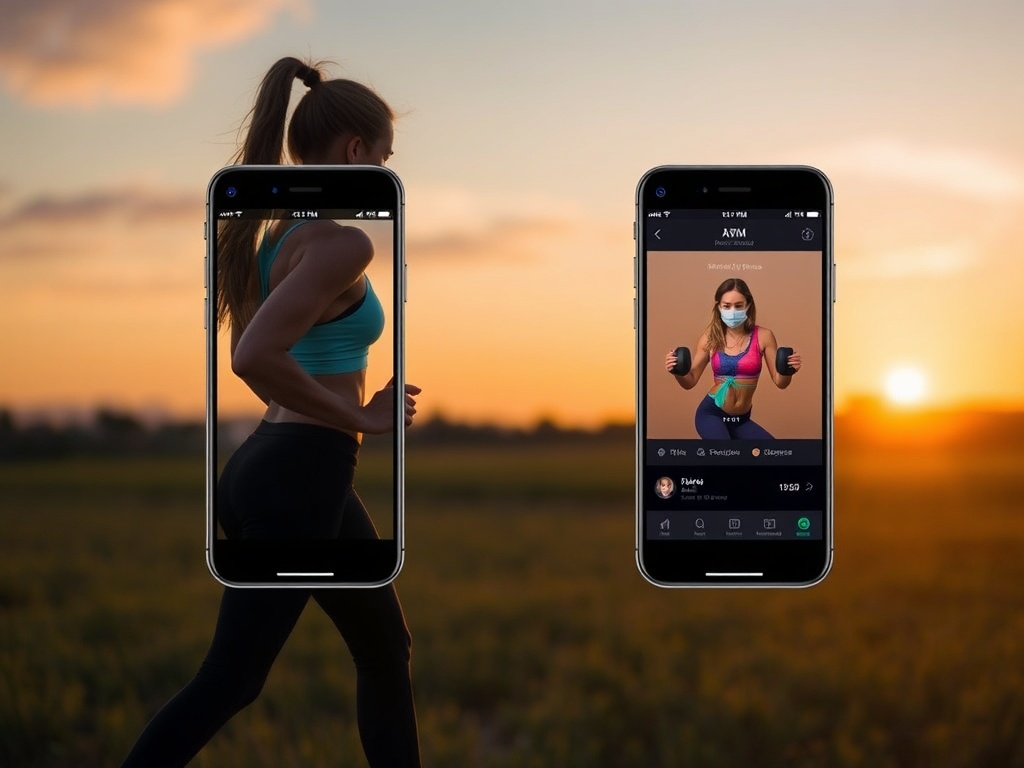
These apps use machine learning algorithms to analyze a user’s behavior, preferences, and biometric data to develop a personalized wellness routine. This routine can include exercise recommendations, nutrition planning, stress management techniques, and sleep optimization strategies. The primary goal of these apps is to help users achieve their health and fitness objectives by providing tailored guidance and support.
Benefits of AI Apps for Personalized Wellness Routines
- Increased Effectiveness: By creating a customized plan based on individual characteristics, AI-powered apps can lead to more effective workouts, improved nutrition, and better overall well-being.
- Convenience: Users can access these apps from anywhere, at any time, making it easy to fit wellness routines into their busy schedules.
- Personalized Feedback: AI algorithms provide users with real-time feedback on their progress, helping them stay motivated and engaged in their wellness journey.
- Accessibility: These apps can reach a wider audience, including those who may not have access to traditional fitness services or resources.
- Data-Driven Insights: AI-powered apps offer valuable insights into user behavior, allowing for data-driven decision making and continuous improvement.
How Do AI Apps for Personalized Wellness Routines Work?
- User Input: Users provide information about their goals, preferences, and current health status through surveys, questionnaires, or wearables.
- Machine Learning: AI algorithms analyze the user input to identify patterns, habits, and areas for improvement.
- Personalization: The AI app generates a customized wellness routine based on the user’s data, taking into account factors such as fitness level, dietary restrictions, and stress levels.
- Ongoing Feedback: Users receive real-time feedback on their progress, with suggestions for adjustments to their routine as needed.
Examples of AI Apps for Personalized Wellness Routines
- FitGenie: This app uses machine learning to analyze user data from wearables, surveys, and workout logs to create a personalized fitness plan.
- WellnessPal: This AI-powered app offers customized wellness routines based on users’ goals, preferences, and biometric data.
- NurtureLife: This platform provides personalized nutrition planning, stress management techniques, and sleep optimization strategies through AI-driven insights.
Challenges and Limitations of AI Apps for Personalized Wellness Routines
- Data Quality: The accuracy of AI-powered wellness routines relies heavily on the quality of user input data.
- User Buy-In: Users must be willing to share their data and follow the recommendations provided by the app.
- Biases and Stereotypes: AI algorithms can perpetuate biases and stereotypes, which may lead to inaccurate or unfair recommendations.
- Lack of Human Touch: While AI-powered apps offer convenience, they may lack the human interaction and emotional support that is often essential for achieving long-term wellness goals.
Future Directions in AI Apps for Personalized Wellness Routines
- Integration with Wearables and Devices: Further integration with wearables, smart home devices, and other health-related technologies will enhance the accuracy and effectiveness of AI-powered wellness routines.
- Personalization at Scale: As more people use these apps, AI algorithms will need to adapt to accommodate diverse user populations and preferences.
- Emotional Intelligence: Incorporating emotional intelligence into AI-powered wellness routines can help users develop a deeper understanding of their mental well-being and make more informed decisions about their health.
Conclusion
AI-powered apps for personalized wellness routines have the potential to revolutionize the way we approach our health and fitness goals. By providing tailored guidance, real-time feedback, and continuous improvement, these apps can empower individuals to take control of their well-being. While there are challenges and limitations associated with AI-driven wellness routines, the benefits they offer make them an exciting area of development in the field of personalized wellness.
References
- FitGenie (2026). About Us. Retrieved from https://www.fitgenie.com/about-us/
- WellnessPal (2026). How it Works. Retrieved from https://www.wellnesspal.com/how-it-works/
- NurtureLife (2026). Our Approach. Retrieved from https://www.nurturelife.com/our-approach/