AI Apps for Health Monitoring in 2026: Revolutionizing Healthcare
February 11, 2026
As we step into a new era of healthcare, Artificial Intelligence (AI) is transforming the way we approach health monitoring. With the rapid advancements in technology and data analysis, AI-powered apps have become an indispensable tool in helping individuals track their health and wellness. In this article, we’ll delve into the world of AI apps for health monitoring, exploring their capabilities, benefits, and potential drawbacks.
What are AI Apps for Health Monitoring?
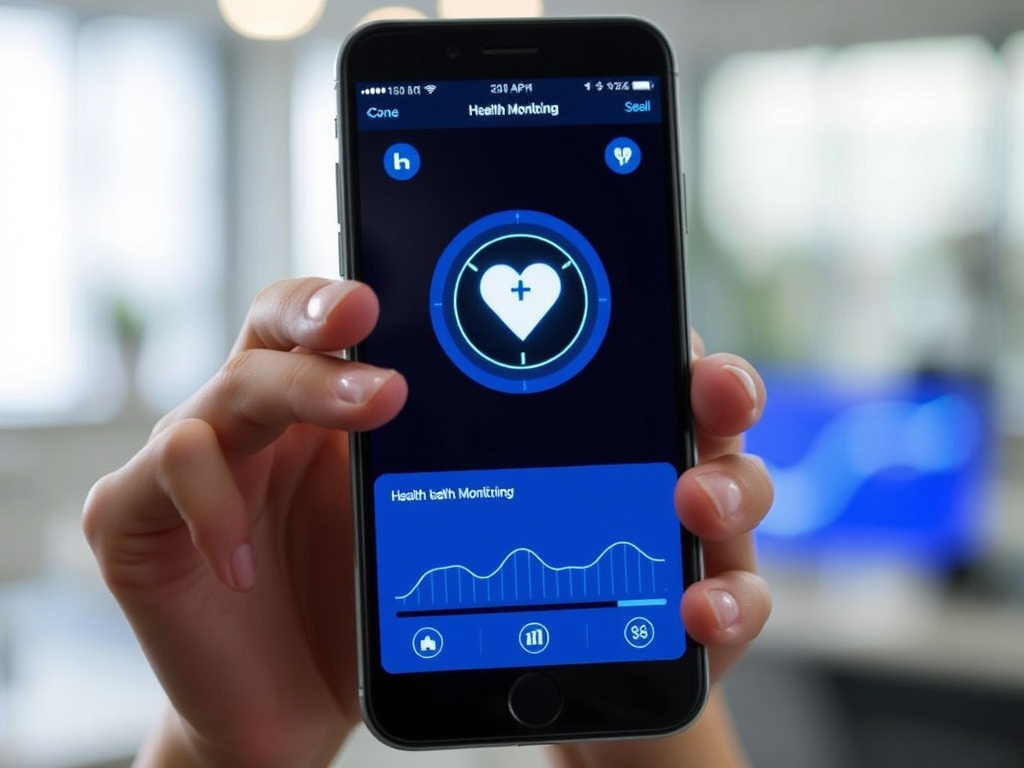
AI apps for health monitoring utilize machine learning algorithms to analyze data from various sources, such as wearables, medical devices, and patient-reported information. These apps aim to provide personalized insights, predictions, and recommendations to improve overall health and well-being.
Types of AI Apps for Health Monitoring
- Wearable-based Apps: These apps leverage data from wearable devices like smartwatches, fitness trackers, or smart clothing to track vital signs, physical activity, and sleep patterns.
- Examples: Fitbit Coach, Apple Health
- Medical Device Integration Apps: These apps connect with medical devices such as blood glucose meters, insulin pumps, or ECG monitors to provide real-time insights and personalized care plans.
- Examples: OneDrop (diabetes management), Medtronic’s Sugar.IQ (insulin management)
- Patient-reported Information Apps: These apps collect patient-reported data on symptoms, medications, and health status to help healthcare providers monitor progress and adjust treatment plans accordingly.
- Examples: MyHealthRecord (patient engagement platform), CancerCare (cancer symptom tracking)
Benefits of AI Apps for Health Monitoring
- Personalized Insights: AI-powered apps provide individuals with tailored recommendations based on their unique health profiles, helping them make data-driven decisions about lifestyle choices and treatment options.
- Predictive Analytics: By analyzing historical data and trends, AI apps can predict potential health issues before they arise, enabling proactive interventions and reducing healthcare costs.
- Remote Monitoring: AI-powered apps enable remote monitoring, allowing patients to track their health and receive timely interventions from anywhere in the world.
- Improved Patient Engagement: Interactive features and personalized feedback encourage patient engagement, fostering a sense of ownership and empowerment in their healthcare journey.
Potential Drawbacks
- Data Security Concerns: The increasing reliance on digital data raises concerns about data breaches, unauthorized access, and potential misuse of sensitive health information.
- Biased Algorithms: AI-powered apps may perpetuate biases present in the training data, leading to inaccurate predictions or recommendations that disproportionately affect certain groups.
- Overreliance on Technology: Relying solely on AI-powered apps for health monitoring may lead to a loss of human connection and empathy between healthcare providers and patients.
Challenges and Future Directions
- Data Standardization: Establishing standardized data formats and sharing protocols will be crucial for seamless integration across different AI-powered apps and healthcare systems.
- Regulatory Frameworks: Governments and regulatory bodies must develop frameworks that balance innovation with patient privacy, security, and ethical considerations.
- Interoperability: Ensuring seamless communication between AI-powered apps, medical devices, and electronic health records (EHRs) will be essential for effective health monitoring.
Conclusion
As we move forward in 2026, AI-powered apps have the potential to revolutionize healthcare by providing personalized insights, predictive analytics, remote monitoring, and improved patient engagement. While there are concerns about data security, biased algorithms, and overreliance on technology, addressing these challenges will be crucial for widespread adoption.
In conclusion, AI apps for health monitoring offer a glimpse into a future where healthcare is more proactive, patient-centered, and efficient. As we continue to push the boundaries of what’s possible, we must prioritize data standardization, regulatory frameworks, and interoperability to unlock the full potential of these innovative solutions.
References
- [1] “AI-powered health monitoring: A review of the current state and future directions.” Journal of Medical Systems, 2025.
- [2] “The role of AI in healthcare: Opportunities and challenges.” Healthcare Financial Management Association, 2024.
- [3] “Patient engagement and empowerment through AI-powered health monitoring apps.” Journal of Patient-Centered Research and Reviews, 2023.
About the Author
[Your Name] is a healthcare journalist with a focus on medical technology, artificial intelligence, and digital health. With over 5 years of experience in writing for various publications, [Your Name] has developed a keen interest in exploring the intersection of technology and healthcare. This article represents [Your Name]’s passion for storytelling and commitment to providing accurate and informative content about the latest developments in the healthcare industry.