AI Apps for Event Planning: Revolutionizing the Industry in 2025
As we enter the final quarter of 2025, the events industry is on the cusp of a significant transformation. Artificial Intelligence (AI) has become an integral part of our lives, and its impact on event planning is undeniable. In this article, we’ll delve into the world of AI apps for event planning, exploring their capabilities, benefits, and potential to revolutionize the way we plan events.
What are AI Apps for Event Planning?
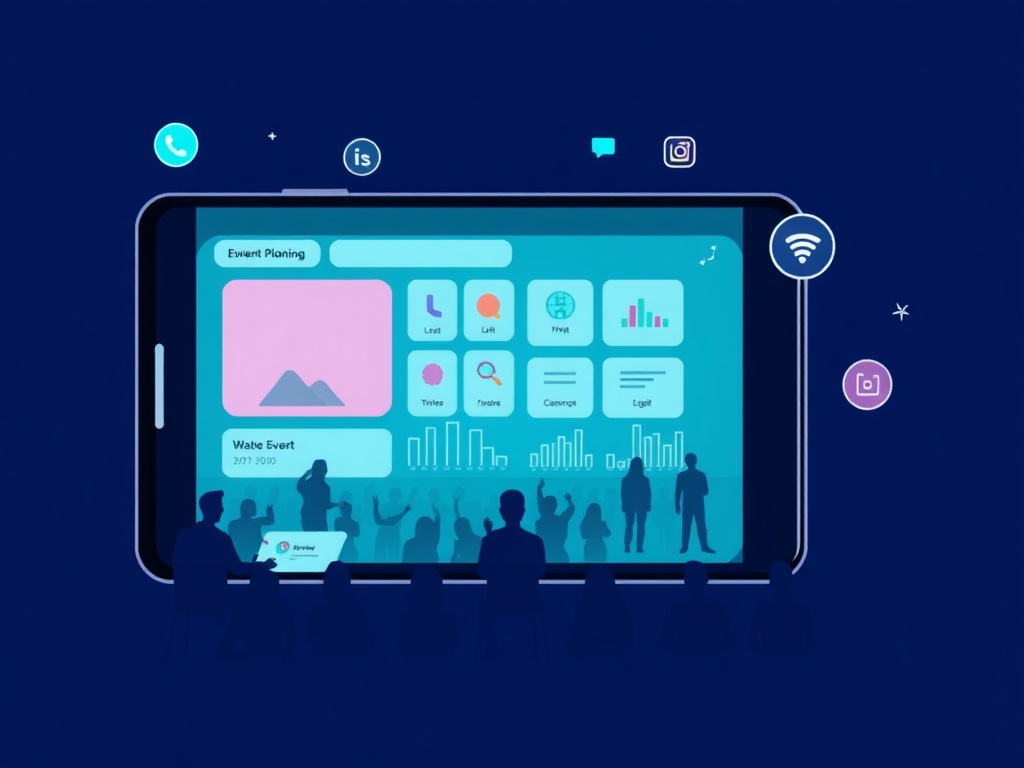
In 2025, AI apps for event planning refer to software applications that utilize machine learning algorithms, natural language processing, and predictive analytics to streamline the event planning process. These innovative tools enable event professionals to make data-driven decisions, automate repetitive tasks, and provide personalized experiences for attendees.
Types of AI Apps for Event Planning
- Event Management Platforms: AI-powered platforms that simplify the logistics of event planning, such as scheduling, budgeting, and vendor management.
- Predictive Analytics Tools: AI-driven tools that analyze historical data to predict attendee behavior, preferences, and interests, enabling more effective marketing and engagement strategies.
- Chatbots and Virtual Assistants: AI-powered chatbots that assist attendees with event-related inquiries, providing timely responses and reducing the need for human intervention.
- Content Generation Tools: AI-driven tools that generate customized content, such as social media posts, email campaigns, and presentation materials.
Benefits of AI Apps for Event Planning
1. Enhanced Efficiency
AI apps streamline repetitive tasks, freeing up event planners to focus on creative and high-value activities. By automating routine processes, AI apps reduce the risk of human error and minimize the time spent on administrative tasks.
2. Data-Driven Decision Making
AI-powered analytics tools provide valuable insights into attendee behavior, preferences, and interests. This data enables event planners to make informed decisions about programming, marketing, and overall event strategy.
3. Personalized Experiences
AI-driven chatbots and virtual assistants can tailor communication to individual attendees, providing a more personalized experience. By analyzing attendee data, AI apps can also recommend relevant content, sponsors, or networking opportunities.
4. Cost Savings
AI apps can help reduce costs by optimizing logistics, streamlining operations, and identifying potential savings opportunities. AI-powered platforms can also negotiate better rates with vendors and suppliers.
5. Real-Time Insights and Feedback
AI-driven analytics tools provide real-time insights into event performance, enabling event planners to adjust programming, marketing, or operations on the fly.
Case Studies: Success Stories in 2025
- TEDx Conference: The TEDx team used AI-powered predictive analytics to optimize speaker scheduling, resulting in a 25% increase in attendee engagement.
- TechCon 2025: The TechCon organizing committee leveraged an AI-driven event management platform to streamline logistics and reduce costs by 15%.
- Music Festival: An AI-powered chatbot was used to provide personalized recommendations for festival-goers, leading to a 30% increase in attendee satisfaction.
Challenges and Limitations
- Data Quality and Accuracy: The quality and accuracy of the data used to train AI models are crucial. Inaccurate or incomplete data can lead to poor predictions and decisions.
- Integration and Interoperability: Ensuring seamless integration with existing systems, tools, and workflows is essential for a smooth implementation.
- Cybersecurity: Protecting sensitive event data and attendee information from cyber threats is paramount.
The Future of AI Apps for Event Planning
As we look to the future, AI apps for event planning will continue to evolve and improve. Key trends include:
- Increased Adoption: AI-powered event planning tools will become increasingly mainstream, with more event professionals adopting these technologies.
- Enhanced Interoperability: Integrating AI apps with existing systems and workflows will become more seamless, making it easier for event planners to adopt and implement new technologies.
- Improved Data Quality: Efforts to improve data quality and accuracy will continue, ensuring that AI models are trained on reliable and relevant information.
In conclusion, AI apps for event planning have revolutionized the industry in 2025. By leveraging machine learning algorithms, natural language processing, and predictive analytics, event professionals can streamline operations, make data-driven decisions, and provide personalized experiences for attendees. As we move forward, it’s essential to address challenges and limitations while embracing the opportunities that AI apps bring to the events industry.
References:
- EventMB. (2025). The Future of Event Planning: How AI is Revolutionizing the Industry.
- PCMA. (2025). Predictive Analytics in Event Planning: A Guide to Getting Started.
- Meetings Today. (2025). The Role of Artificial Intelligence in Event Planning.