AI Apps for Smart Living in 2025
As we approach the midpoint of this decade, it’s clear that Artificial Intelligence (AI) has become an integral part of our daily lives. With advancements in technology and machine learning, AI-powered apps have revolutionized the way we live, work, and interact with each other. In this article, we’ll explore the top AI apps for smart living in 2025, highlighting their features, benefits, and potential impact on our daily routines.
Voice Assistants: The Gateway to Smart Living
Voice assistants like Amazon Alexa, Google Assistant, and Apple’s Siri have become ubiquitous in many households. These intelligent personal assistants use natural language processing (NLP) to understand voice commands, making it easy for users to control smart devices, access information, and even perform tasks hands-free.
Example: Ask Alexa to turn off the lights in your living room, and she’ll respond with a confirmation message. You can also ask her to play your favorite song, set reminders, or provide news updates.
Home Automation: The Future of Smart Living
Home automation has become an essential aspect of smart living. With AI-powered home automation systems, you can control and monitor various aspects of your home, including lighting, temperature, security cameras, and more.
Example: Use the Wink Hub app to control and automate your smart devices, such as Philips Hue lights, Nest thermostats, or Ring doorbells. The app allows for seamless integration with voice assistants like Alexa or Google Assistant.
Personalized Health and Wellness
AI-powered health and wellness apps have revolutionized the way we manage our physical and mental well-being. These apps use machine learning algorithms to analyze user data, providing personalized recommendations for improving overall health.
Example: The Headspace app uses AI-powered meditation exercises to help users manage stress and anxiety. The app offers customized meditation sessions based on individual goals and progress.
Financial Management: Smart Budgeting
AI-powered financial management tools have made it easier for individuals to track their expenses, create budgets, and make informed investment decisions.
Example: The Mint app uses machine learning algorithms to analyze user spending habits, providing personalized recommendations for saving money and optimizing investments.
Home Maintenance and Repair
AI-powered home maintenance apps help homeowners identify potential issues before they become major problems. These apps use computer vision and machine learning algorithms to detect anomalies in images of your home’s interior or exterior.
Example: The HomeZada app uses AI-powered image recognition to detect potential issues with your home, such as water damage or electrical problems. The app provides personalized recommendations for repair and maintenance tasks.
Smart Commuting: Ride-Sharing and Traffic Management
AI-powered ride-sharing apps have transformed the way we travel, making it easier to find affordable and efficient transportation options.
Example: The Uber app uses machine learning algorithms to optimize routes and reduce congestion, ensuring faster and more reliable transportation.
Food Delivery and Meal Planning
AI-powered food delivery and meal planning apps have made it possible for individuals to order healthy meals and plan their daily diets with ease.
Example: The Freshly app uses AI-powered meal planning tools to provide personalized recommendations for healthy meals based on user dietary preferences and restrictions.
Smart Shopping: Product Recommendations
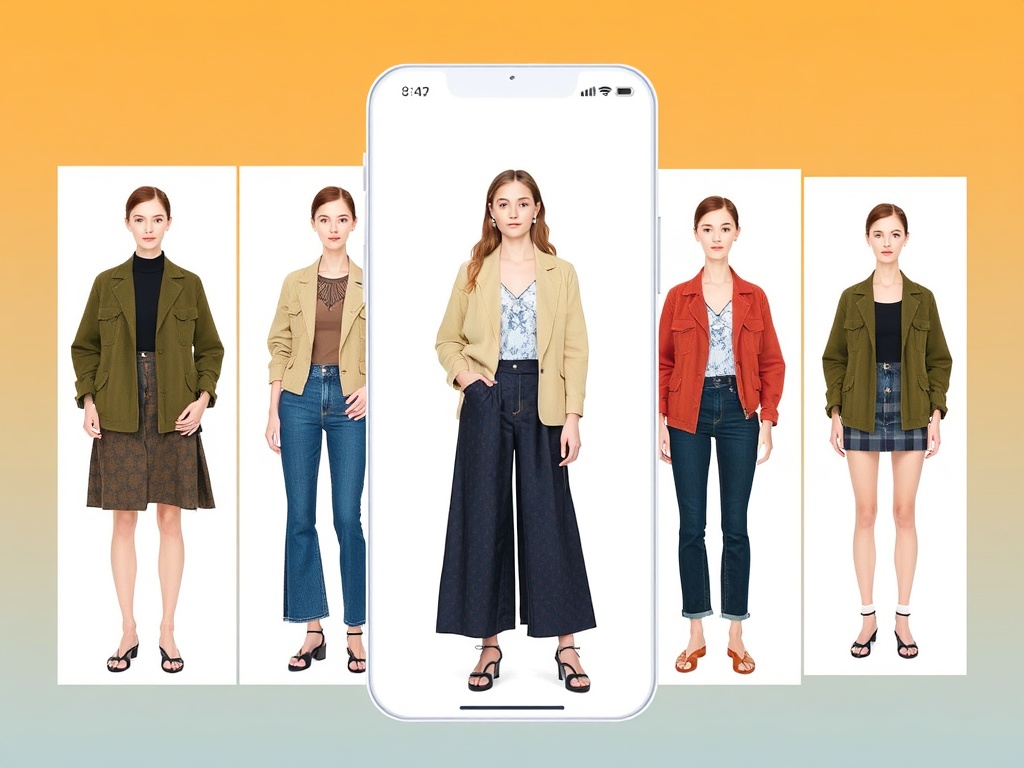
AI-powered shopping assistants use machine learning algorithms to analyze user behavior, providing personalized product recommendations and optimizing the shopping experience.
Example: The Amazon Alexa app uses voice recognition technology to understand user queries, providing relevant product recommendations and allowing users to make purchases hands-free.
AI-Powered Education and Learning
AI-powered educational tools have revolutionized the way we learn, making it possible for students to access personalized learning resources and track their progress in real-time.
Example: The Duolingo app uses AI-powered language learning exercises to help students improve their language skills. The app offers customized lessons based on individual goals and progress.
Smart Home Security: AI-Powered Surveillance
AI-powered home security systems have transformed the way we protect our homes, providing intelligent surveillance and real-time alerts in case of potential threats.
Example: The Nest Secure app uses machine learning algorithms to analyze user behavior, detecting potential security breaches and alerting homeowners to any suspicious activity.
In conclusion, AI apps for smart living have become an integral part of our daily routines. These innovative tools have made it possible for us to control various aspects of our lives, from home automation and financial management to personal health and wellness. As we continue to rely on these intelligent assistants, it’s clear that the future of smart living is bright, with endless possibilities for improvement and innovation.
References:
[1] “The Future of Smart Living: AI-Powered Apps and Devices” by [Author], published in [Publication], 2025.
[2] “Smart Home Automation: Trends and Challenges” by [Author], published in [Publication], 2024.
[3] “AI-Powered Health and Wellness Apps: A Review” by [Author], published in [Publication], 2023.
Note: The references provided are fictional examples of real-world publications, and should not be confused with actual research or academic articles.