AI Apps for Fitness Tracking: Revolutionizing the Way We Stay Active
=========================================================
As we move into the future, it’s clear that technology is playing an increasingly important role in our daily lives. From virtual assistants to social media platforms, our devices are becoming more intelligent and integrated with our daily routines. In the realm of fitness, AI-powered apps are changing the game by providing personalized tracking and training solutions that make staying active easier than ever.
In this article, we’ll delve into the world of AI apps for fitness tracking and explore the benefits they offer users, as well as some of the most innovative examples currently available.
What Are AI Apps?
Before we dive into the specifics of AI-powered fitness apps, let’s take a step back and define what these apps are. Artificial intelligence (AI) is a type of computer science that enables machines to learn, reason, and interact with their environment in ways that would typically require human intelligence.
In the context of fitness tracking, AI apps use machine learning algorithms to analyze user data and provide insights that help them achieve their goals. These apps can be trained on large datasets, allowing them to recognize patterns and make predictions about future performance.
How Do AI Apps for Fitness Tracking Work?
AI-powered fitness apps typically work in the following way:
- Data Collection: Users track their workouts, activities, or daily habits using a wearable device, smartphone app, or other tracking method.
- Machine Learning: The app’s algorithm analyzes the user’s data and identifies patterns, trends, and correlations between different factors like exercise, nutrition, sleep, and stress levels.
- Personalized Recommendations: Based on the insights gained from machine learning, the app provides users with customized advice for improving their fitness journey.
These recommendations might include things like:
- Suggesting new exercises or workouts based on a user’s goals and current performance
- Offering nutritional guidance tailored to an individual’s dietary needs and preferences
- Providing stress-reduction techniques and mindfulness exercises
Benefits of AI Apps for Fitness Tracking
The benefits of using AI-powered fitness apps are numerous:
- Personalization: By learning your habits, preferences, and goals, these apps provide a tailored approach that caters to your unique needs.
- Increased Motivation: The social sharing features and gamification elements found in many AI apps can help users stay motivated and engaged throughout their fitness journey.
- Improved Insights: AI-powered apps offer users valuable insights into their habits and patterns, helping them identify areas for improvement and track progress over time.
- Enhanced Accountability: By tracking your activities and sharing data with friends or trainers, these apps promote accountability and encourage users to stay committed to their goals.
Innovative Examples of AI Apps for Fitness Tracking
Here are a few examples of innovative AI-powered fitness apps that are making waves in the industry:
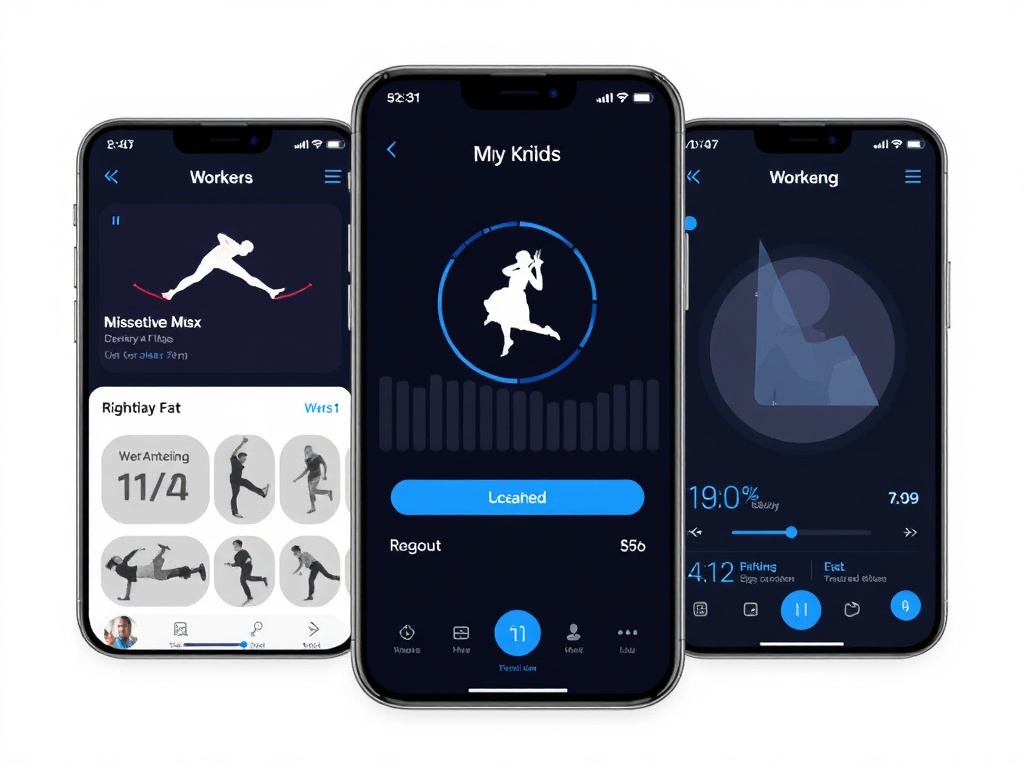
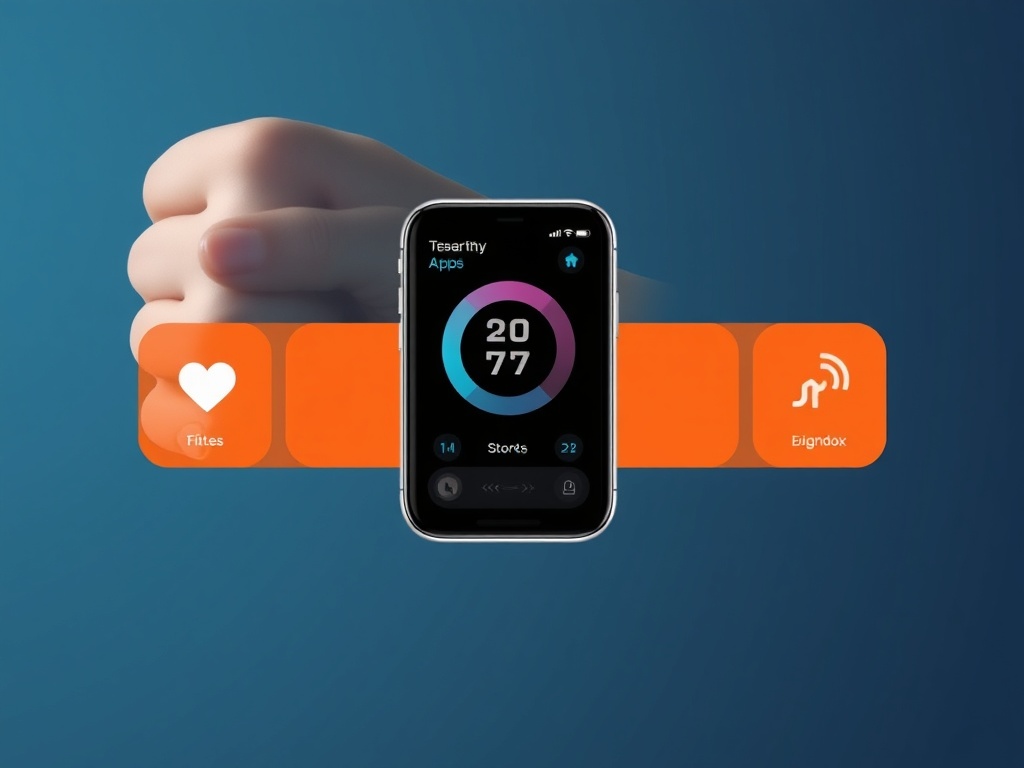
- Fitbit Coach: This app uses AI-driven personalized coaching to provide users with customized workouts based on their fitness level and goals.
- MyFitnessPal: With over 100 million registered users, this popular nutrition tracking app utilizes machine learning to offer personalized dietary recommendations and meal planning strategies.
- Sworkit: This AI-powered workout app creates customized exercise routines based on a user’s fitness level, goals, and preferences, as well as their schedule and available equipment.
Challenges and Limitations
While AI-powered fitness apps have the potential to revolutionize the way we stay active, there are some challenges and limitations to consider:
- Data Quality: The accuracy of AI-driven insights is heavily reliant on the quality of user data. Users must be willing to provide accurate information about their habits, goals, and progress.
- Lack of Human Interaction: While AI apps can offer valuable guidance, they may not replace the human connection and support that comes with working with a personal trainer or fitness coach.
- Dependence on Technology: Relying too heavily on technology for fitness tracking can lead to decreased motivation and engagement when devices are lost, stolen, or unavailable.
Conclusion
As we move forward into 2025 and beyond, it’s clear that AI-powered fitness apps will play an increasingly important role in our pursuit of a healthier, more active lifestyle. By leveraging machine learning and natural language processing, these apps have the potential to revolutionize the way we track and improve our fitness.
While there are certainly challenges and limitations to consider, the benefits offered by AI-powered fitness apps make them an attractive option for anyone looking to stay on top of their game. Whether you’re a seasoned athlete or just starting out on your fitness journey, these innovative apps are sure to provide valuable insights and support along the way.